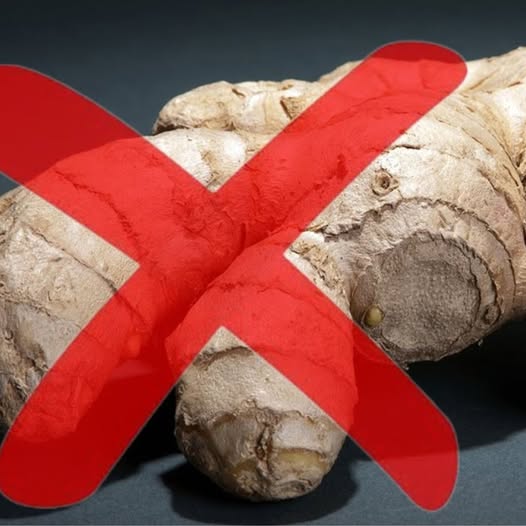
Understanding Ginger: When to Be Cautious
Ginger has long been celebrated for its sharp, refreshing flavor and wide range of health benefits. From easing nausea to reducing inflammation, it has earned its place as one of the most popular spices in kitchens around the world. But while many people can enjoy ginger safely, there are certain health conditions where caution is necessary. In fact, using ginger without considering its effects on the body may lead to unwanted side effects or even complications. Below is a closer look at when ginger should be consumed carefully, and how to use it wisely as part of a healthy diet.

1. Blood Thinners
One of ginger’s most notable qualities is its natural ability to thin the blood. While this can support circulation and help prevent clot formation in otherwise healthy individuals, it becomes risky when combined with prescription blood-thinning medications like warfarin, heparin, or even daily low-dose aspirin. The combination can heighten the risk of excessive bleeding, bruising, or nosebleeds. For this reason, anyone taking anticoagulants or antiplatelet drugs should consult their healthcare provider before regularly adding ginger to their meals, teas, or supplements.
2. Gallstones
Ginger stimulates bile production, a fluid that helps break down fats and aids digestion. This is generally beneficial, but for individuals with gallstones, increased bile flow can trigger pain, spasms, or even blockages in the bile ducts. Such flare-ups can be extremely uncomfortable and sometimes dangerous. People who know they have gallstones are usually advised to limit or avoid ginger altogether, unless cleared by a doctor.
3. Low Blood Pressure and Heart Concerns
Research suggests that ginger may help lower blood pressure slightly by relaxing blood vessels and improving circulation. While this is useful for those with hypertension, it may cause problems for people with naturally low blood pressure. In these cases, ginger could lead to dizziness, fainting, or irregular heartbeats. Likewise, if you are taking medications for heart disease or high blood pressure, ginger may enhance their effects too strongly. To avoid complications, always discuss ginger intake with your doctor if you are on cardiovascular medications or have heart-related conditions.
4. Pregnancy
Ginger is widely known as a natural remedy for morning sickness, and in small amounts it can indeed provide relief from nausea. However, in larger doses, ginger may increase the risk of bleeding, especially as a woman nears labor. Some studies also suggest that excessive ginger intake could slightly raise the risk of miscarriage, though evidence remains limited. For pregnant women, the safest approach is moderation. A little ginger tea or ginger-flavored food may be fine, but supplements or large amounts should be avoided unless specifically approved by a healthcare professional.
5. Sensitive Stomach
Though ginger is praised for aiding digestion and soothing nausea, it can have the opposite effect in sensitive individuals. Consuming too much ginger—particularly in raw or concentrated supplement form—can irritate the stomach lining. This may worsen conditions like gastritis, ulcers, or acid reflux. Symptoms can include heartburn, bloating, or abdominal discomfort. People with digestive sensitivities should start with very small amounts of ginger and monitor their body’s response.
Safe Use Tips
If you love ginger and want to make it part of your lifestyle, the key is moderation and awareness. Always start with small amounts, such as adding a slice to tea or incorporating it into cooking, and see how your body reacts. Avoid supplements or concentrated extracts unless advised by a doctor, as these can deliver much stronger effects. If ginger seems unsuitable for your health condition, consider gentler alternatives like turmeric, cinnamon, or chamomile, which may provide similar benefits without the same risks.
Conclusion
Ginger is an incredibly versatile spice with centuries of traditional use behind it, but like any powerful natural remedy, it is not without potential downsides. For most healthy individuals, it can be a safe, beneficial addition to meals and beverages. However, if you are on blood thinners, suffer from gallstones, live with low blood pressure or heart concerns, are pregnant, or have a sensitive stomach, extra caution is required. By consulting your healthcare provider and practicing moderation, you can enjoy the benefits of ginger while protecting yourself from its risks.