People Are Spotting a ‘Hidden Detail’ in the Coca-Cola Logo
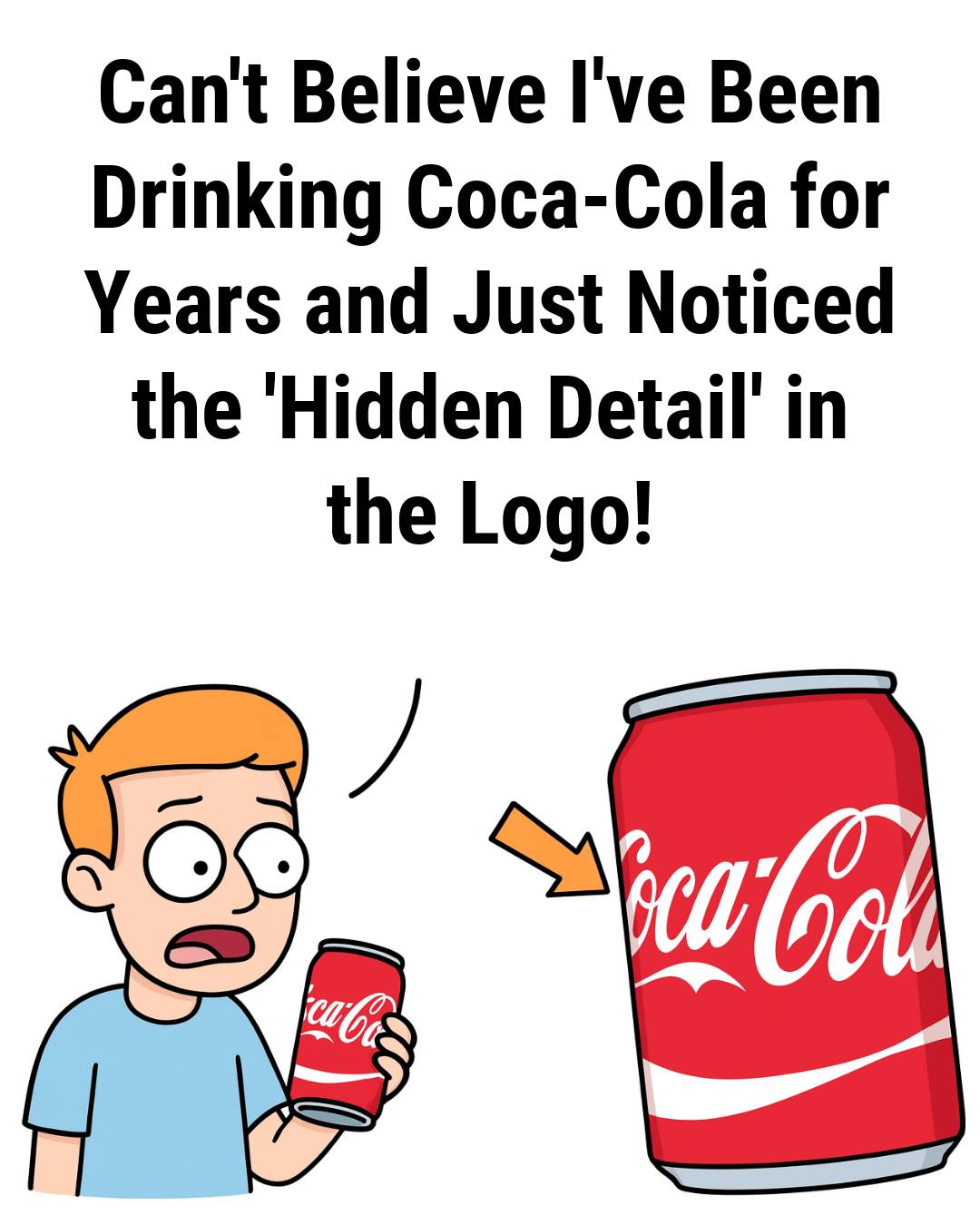
Once you know the history, the mystery deepens instead of disappearing. The script was drawn in the 1880s by a bookkeeper named Frank Mason Robinson, using the elegant Spencerian style that defined professional penmanship of the era. He was not a trained designer in the modern sense, but a practical man tasked with giving a young beverage a recognizable signature. There is no memo describing his intention. There is no design brief preserved in an archive. There is no buried note hinting at a secret grin tucked into the lettering. By all available evidence, it was decoration, balance, and harmony for the eye. It was ornament, not a coded emotion. And yet, over time, that curve at the base of the logo has been adopted by our collective imagination as a smile.

This is where the story becomes less about Coca Cola and more about us. Our brains are wired to find faces, moods, and stories in almost anything, especially in symbols we encounter every day. We see expressions in the fronts of cars. We see animals in the shapes of clouds. We sense intention in the random flicker of light through trees. This instinct is ancient and deeply human. It helps us survive by spotting danger, but it also pushes us to find comfort, playfulness, and meaning where none was deliberately placed. Once a suggestion is planted, it becomes almost impossible to unsee.
The Coca Cola logo is among the most repeated visual experiences in modern life. It appears on billboards, bottles, vending machines, movie screens, restaurant menus, and holiday decorations. It appears in childhood memories and in daily routines. The brand built its empire on happiness, refreshment, and nostalgia, so we feed that emotional story back into the logo itself. The mind completes the loop. A sweeping curve becomes friendly. A flourish becomes a grin. We do not merely recognize the symbol. We participate in it.
Over time, repetition turns association into belief. New generations grow up hearing that the logo contains a hidden smile. They see it once, and then forever after they see it again. Whether or not a designer intended that expression no longer matters. Meaning is no longer controlled by the hand that drew the line. It is created by millions of eyes that interpret it. The smile now lives where all powerful branding ultimately lives, in the viewer, not in the file.
What makes this especially fascinating is how calmly we accept it. We rarely question whether the story is true. We simply absorb it because it feels right. It matches the emotional tone we already attach to the brand. A soft drink that promises joy, sharing, and celebration should look like it is smiling at us. So it does. Not because it was born that way, but because we taught it to be.
In the end, the logo becomes a mirror more than a message. It reflects our habit of projecting feelings onto objects and meanings onto shapes. What began as a practical piece of nineteenth century penmanship has become a container for modern emotion. The lines have not changed in any essential way, but we have. Our imaginations have filled the empty space between ink and interpretation. And in that space, without instruction or intention, a smile quietly appeared.