How 1970s Fashion Redefined Style, Identity, and Freedom
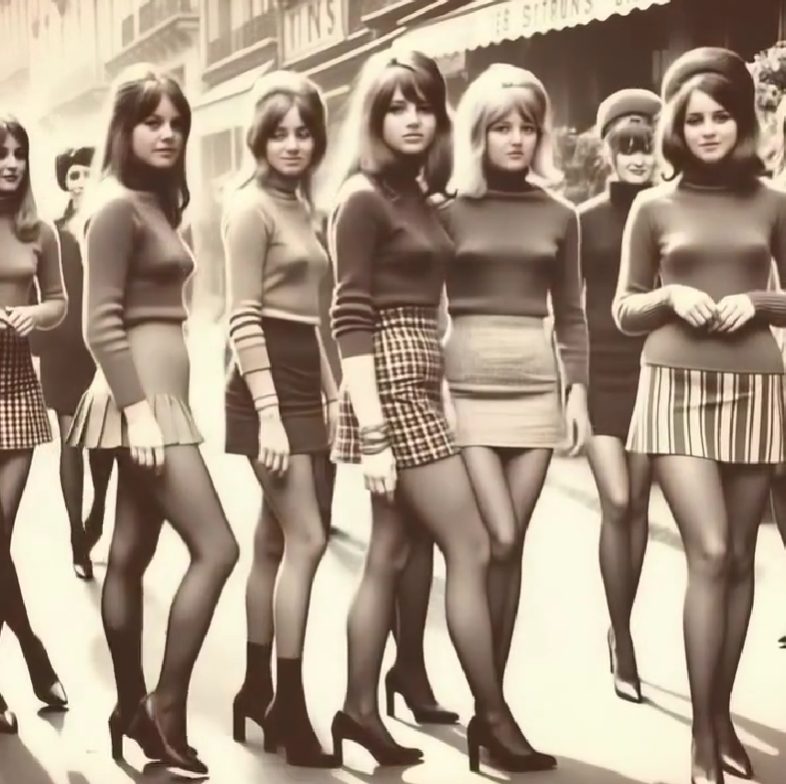
The 1970s weren’t just a decade of music, movies, and political shifts—they were a fashion revolution. Clothing became a bold statement of individuality, a reflection of personal values, and a canvas for cultural expression. A closer look at the era reveals a spirit of liberation, rebellion, and creativity that still inspires designers today.

Comfort Meets Confidence
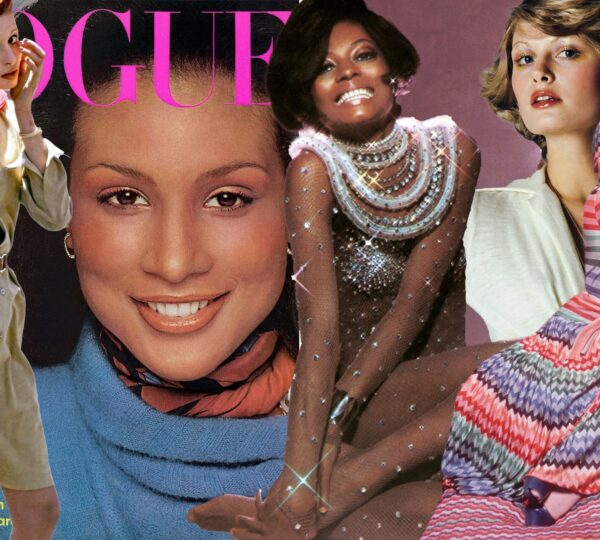
The rigid, structured silhouettes of the ’50s and ’60s gave way to flowing fabrics, forgiving cuts, and versatile designs. Women’s fashion embraced freedom of movement, comfort, and self-expression. Soft polyester blouses, silk blends, and ultrasuede suits allowed wearers to combine practicality with elegance. Fashion wasn’t just about appearance—it became a source of confidence, letting individuals project independence and cultural awareness effortlessly.
Icons of Bold Expression
Celebrities became living statements of style. Diana Ross dazzled in satin gowns that flowed with every movement, while Bianca Jagger fused elegance with audacious flair, proving sophistication and rebellion could coexist. Their choices weren’t just personal—they defined the decade, turning red carpets and nightclubs into stages for self-expression.
Disco Fever: Sparkle, Attitude, and Glam
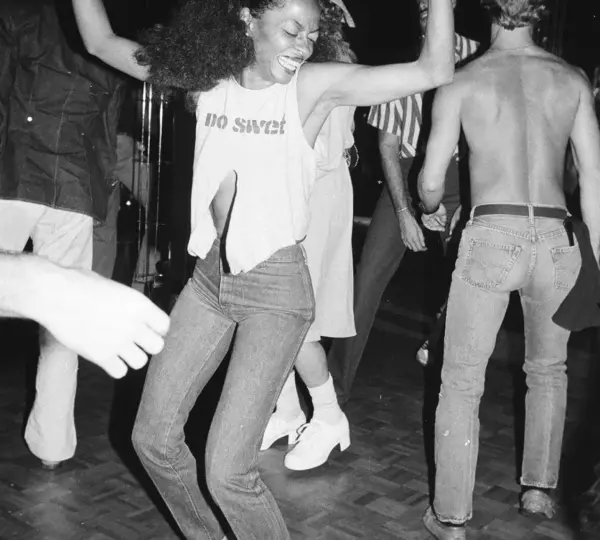
The late ’70s disco era brought a glittering, theatrical energy to fashion. Metallic fabrics, daring cuts, and body-conscious designs dominated clubs like Studio 54. Clothing became performative: every shimmer, sparkle, and dramatic silhouette projected personality and confidence on the dance floor. Designers and partygoers alike embraced fashion as an extension of attitude and energy.
Daytime Chic and Denim Revolution
Daywear in the ’70s balanced style and functionality. Halston’s ultrasuede suits and Calvin Klein’s minimalist ensembles offered elegance without compromise. Meanwhile, denim exploded from workwear to high-fashion statement. Levi’s, Wrangler, and designer jeans became a symbol of individuality, creativity, and accessibility, bridging social divides while allowing endless styling options.
Polyester: Innovation Meets Versatility
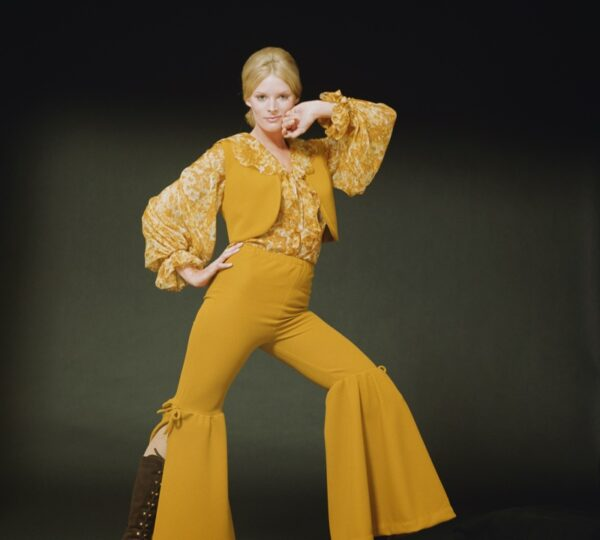
Polyester, often criticized in later decades, defined ’70s practicality and flair. Bold prints, vibrant colors, and easy-care fabrics empowered women to explore style without sacrificing convenience. From printed blouses to flowing dresses, polyester democratized fashion, aligning affordability with self-expression.
Tailoring Meets Boho Freedom
The decade thrived on contrasts. Sharp tailored suits coexisted with bohemian flowy skirts, embroidered tunics, and layered accessories. This blending of structure and free-spirited design gave individuals the freedom to define their own aesthetic, celebrating both elegance and artistic creativity.
Accessories as Personality
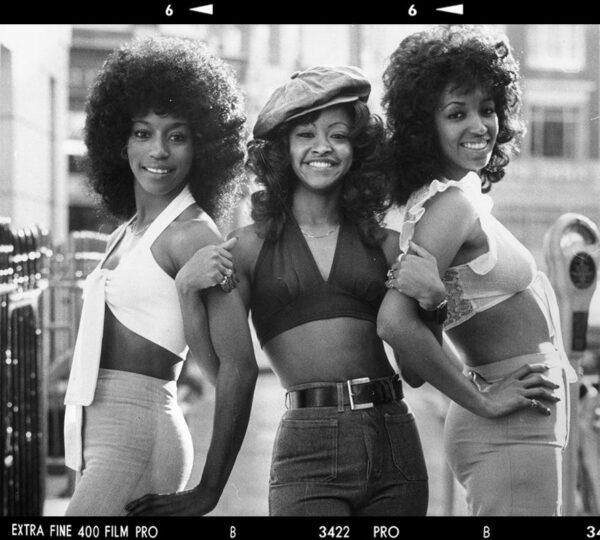
Platforms, oversized sunglasses, wide belts, scarves, and layered jewelry weren’t afterthoughts—they completed a story. Accessories allowed wearers to convey confidence, mood, and cultural awareness, making fashion a fully interactive and expressive experience.
Why the ’70s Still Matter
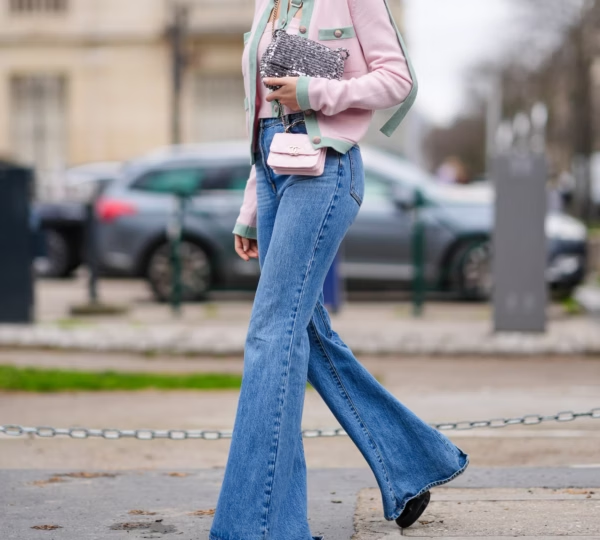
Fashion from this era wasn’t just about trends; it was about self-expression and empowerment. Today, designers revisit wide-leg jeans, metallic disco gowns, tailored blazers, and bohemian prints, proving the ’70s legacy endures. Wearing these pieces is more than style—it’s a nod to a time when clothing became a visual declaration of individuality, freedom, and creativity.
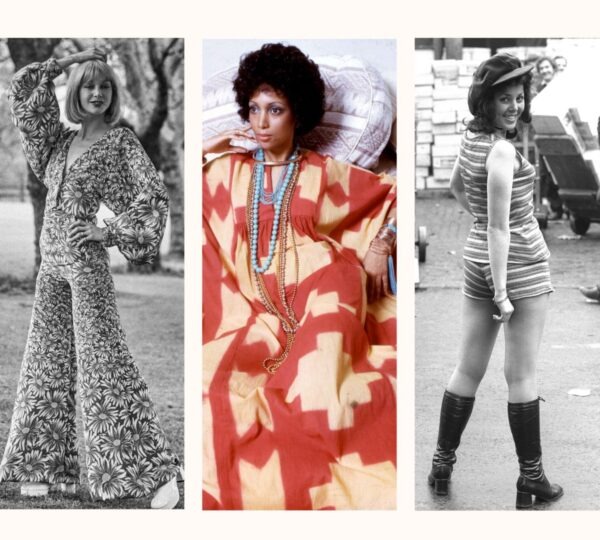
The 1970s proved that fashion could transform more than wardrobes—it could transform identities. Bold experimentation, fearless self-expression, and a celebration of contrasts made the decade an enduring blueprint for personal style.
✨ Do you love ’70s fashion as much as we do? Share your favorite iconic trends in the comments and let’s celebrate the decade that changed style forever!