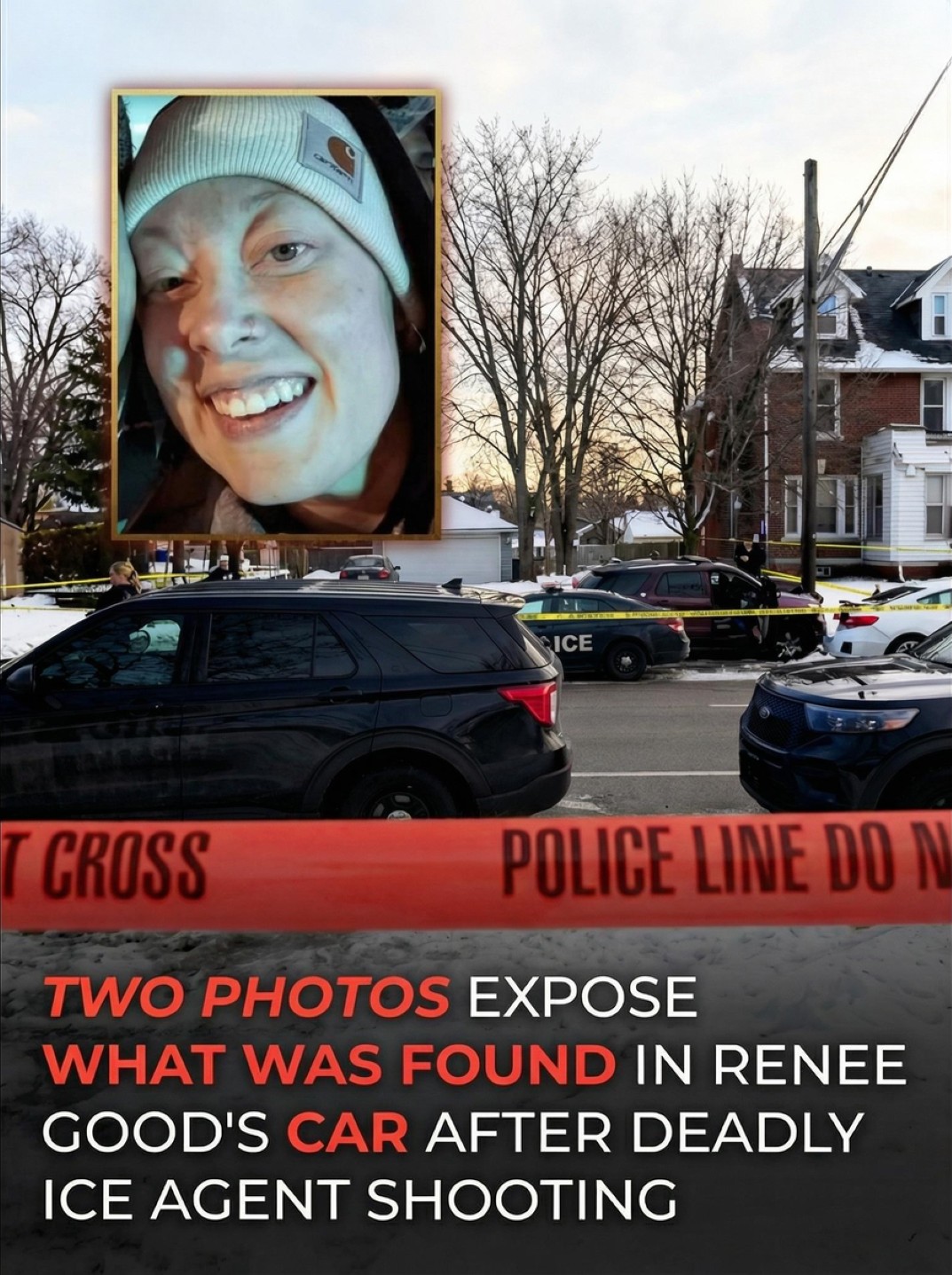
Creativity shaped Renee’s life from an early age. She studied creative writing in college, where her poetry was recognized for its emotional depth and clarity. Writing was never about public success for her—it was a personal practice, a way to reflect and understand the world. Even after prioritizing family life, she continued to write privately, filling notebooks with poems, reflections, and observations about daily life. Music was equally meaningful to her. Friends remember carefully curated playlists for long drives or quiet evenings, chosen for emotion rather than popularity.
Those close to Renee often described her as gentle, but resilient. She moved through life with calm purpose, guided by empathy, reflection, and faith. She listened more than she spoke, and when she did speak, it was with care. She avoided conflict and was not drawn to politics or public debate. Her values were expressed through action—how she raised her children, supported neighbors, and showed kindness without being asked.
In recent years, Renee chose to center her life around motherhood. This choice reflected clarity, not limitation. She found meaning in being present for moments others might overlook. She walked her children to school, exchanged greetings with other parents, and became a familiar, reassuring presence in her neighborhood. Neighbors remember her as someone who checked in, waved hello, and noticed when something felt wrong.
The morning of January 7 began like many others. Renee followed her routine, dropping her young son off at school before heading home with her partner. That day, however, felt different. Residents later reported increased law enforcement activity near the school and surrounding streets. Federal operations were underway, and while details remain under investigation, the heightened presence created unease within the community.
What followed happened quickly and remains under review. Renee was involved in a brief, chaotic encounter that ended in a vehicle crash. She sustained fatal injuries. Witnesses recall confusion and fear as neighbors rushed to the scene, trying to understand what had occurred and how such a tragedy could unfold so suddenly.
News of Renee’s death spread rapidly through Minneapolis. Shock turned into grief, and grief into disbelief. Those who knew her struggled to reconcile the quiet, thoughtful woman they loved with the circumstances being discussed publicly. For her family and friends, public commentary felt distant compared to the immediate pain of loss.
In the days that followed, community vigils formed. Candles lined sidewalks. Flowers and handwritten notes appeared near the crash site. People shared memories—brief conversations at school drop-off, friendly waves, moments of unexpected kindness. Even those who knew Renee only in passing felt compelled to honor her life.
Her family has spoken openly about the depth of her absence. For her children, the loss is immeasurable. For her partner, it is the sudden rupture of a shared life built on trust and routine. Friends describe instinctively reaching for their phones to message her, only to remember she is gone. Familiar spaces—her home, her street, the school entrance—now feel permanently changed.
As investigations continue and public discussions evolve, many in Renee’s community emphasize remembrance over speculation. They ask that she be remembered not as a headline, but as a person—a mother who loved language and music, who found beauty in quiet moments, and who believed in showing up for others.
Renee Nicole Good’s legacy is not defined by a single tragic moment. It is defined by years of care, creativity, and connection. By the children she raised with patience and love. By the words she wrote, even if most were never shared publicly. By the way she belonged to her community without seeking recognition.
Her absence is now woven into the fabric of the place she called home—felt in small, everyday ways. A missing wave. An empty spot in the school pickup line. A silence where her voice once was.
And yet, her presence endures—in memory, in the lives she touched, and in the quiet example she left behind of how to live with intention, compassion, and grace.