Hundreds Displaced as Massive Blaze Rips Through Hillside Neighborhood in Southern Lima
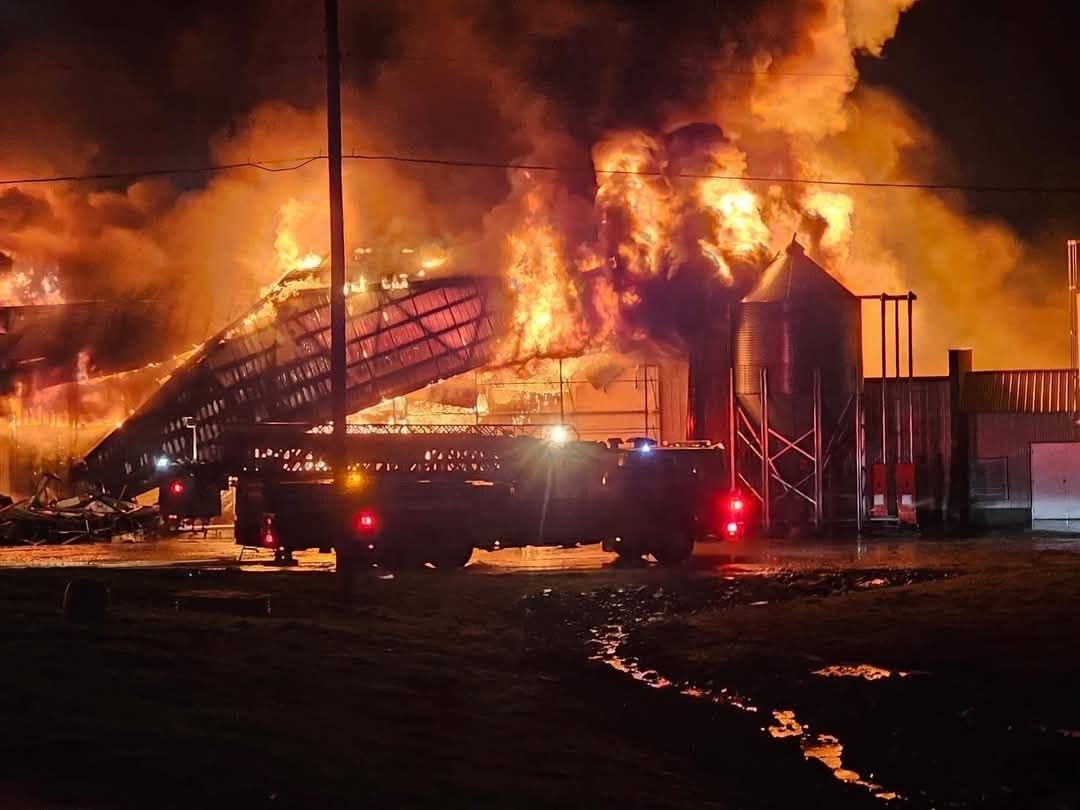
San Juan de Miraflores, Lima — What began as an ordinary Saturday afternoon quickly turned into one of the most devastating emergencies the district has faced in recent years. A large fire erupted in the Pamplona Alta sector of San Juan de Miraflores, rapidly consuming homes, personal belongings, and years of hard-earned stability for hundreds of families. By nightfall, officials estimated that at least 300 homes had been damaged or completely destroyed, leaving entire blocks reduced to ash and twisted debris.

A Quiet Afternoon Shattered by Flames
Residents say the first signs of trouble appeared shortly after midday. A thin column of smoke rose above the densely packed hillside neighborhood, barely noticeable at first against the hazy Lima sky. Within minutes, however, the smoke thickened and darkened, and the smell of burning materials spread through the narrow streets.
“We thought it was just someone burning trash,” said one longtime resident. “That happens sometimes here. But then we heard shouting, and the fire was already jumping from roof to roof.”
Pamplona Alta is home to thousands of families, many living in self-built houses constructed over decades. The homes, often made from wood, plywood, corrugated metal, and other readily available materials, sit extremely close together on steep slopes. While these structures provide shelter, they also create conditions where fire can spread with alarming speed.
Fire Spreads Faster Than Help Can Arrive
As flames intensified, residents rushed to evacuate, grabbing children, elderly relatives, and whatever belongings they could carry. Some tried desperately to contain the fire using buckets of water or garden hoses, but the effort proved futile.
“The wind was strong,” explained another resident. “Once the fire caught, it moved faster than people could run.”
Within a short time, multiple homes were fully engulfed. Burning debris rolled downhill, igniting structures below. Explosions—later believed to be linked to stored pyrotechnic materials—could be heard echoing across the area, adding panic to an already chaotic situation.
Local volunteer firefighters were among the first to arrive, followed by units from across Lima. Access, however, was a major challenge. The area’s steep, narrow roads made it difficult for large fire engines to reach the heart of the blaze.
Emergency Response Under Difficult Conditions
Firefighters battled the inferno for hours, working under intense heat and dangerous conditions. Many had to run hoses up hills by hand, while others focused on preventing the flames from spreading further into nearby neighborhoods.
“This was a very complex fire,” said a senior fire official at the scene. “The construction materials, the density of the homes, and the terrain all worked against us.”
Authorities confirmed that while the fire was eventually confined, hotspots continued to smolder well into the evening. Crews remained on site overnight to prevent flare-ups and ensure the safety of residents who had gathered nearby, watching their homes burn.
Hundreds Left Without Shelter
As the flames died down, the full scale of the destruction began to emerge. Initial estimates suggested that anywhere from several dozen to more than 100 homes had been affected. By Sunday morning, updated assessments from municipal officials and emergency responders placed the number closer to 300 homes damaged or destroyed.
For many families, the loss was total.
“I’ve lived here for 25 years,” said a woman standing near the remains of what was once her house. “Everything I owned was inside. Clothes, documents, photos—everything is gone.”
Temporary shelters were quickly established in nearby schools and community centers. Local authorities, along with humanitarian organizations, began distributing food, water, blankets, and basic supplies to those displaced.
Possible Origin: Illegal Fireworks Workshop
As investigations into the cause of the fire began, officials pointed to a clandestine pyrotechnics workshop as a likely origin point. Firefighters reported that the blaze appeared to have reached a location where fireworks were being illegally manufactured or stored, intensifying the flames and causing small explosions.
Videos shared by residents on social media showed bursts of light and sound consistent with fireworks igniting amid the fire. Authorities have not yet confirmed definitive causes but stated that the workshop is a central focus of the investigation.
“If confirmed, this would be a serious violation,” said a municipal spokesperson. “These activities put entire communities at risk.”
Illegal fireworks production has been an ongoing concern in parts of Lima, particularly in informal settlements where oversight is limited and economic pressures drive residents to seek alternative income sources.
A Community in Shock
In the aftermath, the mood in Pamplona Alta is one of shock, grief, and uncertainty. Families wandered through charred remains, searching for anything salvageable. Children clung to parents, confused and frightened by the sudden loss of their homes.
Despite the devastation, acts of solidarity emerged almost immediately. Neighbors who were spared opened their doors to those who lost everything. Volunteers arrived with food and clothing. Community leaders organized donation drives and coordinated aid efforts.
“This is what we have,” said one resident. “We don’t have much, but we help each other.”
Authorities Promise Support and Investigation
Local government officials visited the area soon after the fire was contained, pledging assistance and a thorough investigation. Emergency housing support, rebuilding assessments, and long-term aid were promised, though residents expressed concern about how long help would take to arrive.
Past fires in similar areas have highlighted the slow pace of reconstruction and the challenges of relocating families from informal settlements. Many residents fear they will be left to rebuild on their own once the initial attention fades.
“We need more than words,” said a community leader. “We need real help to start again.”
Broader Issues: Informal Housing and Fire Risk
The tragedy has reignited debate about safety in Lima’s hillside communities. Informal housing, while providing shelter to thousands, often lacks basic infrastructure such as firebreaks, safe electrical wiring, and accessible roads for emergency vehicles.
Experts warn that without significant investment and planning, similar disasters are likely to occur again.
“These areas are extremely vulnerable,” said an urban planning specialist. “Fires, landslides, and other emergencies are not isolated incidents—they are systemic risks.”
Calls are growing for stricter enforcement against illegal activities such as unauthorized fireworks production, as well as for improved public education on fire prevention.
Lives Interrupted, Futures Uncertain
As night fell on San Juan de Miraflores, the glow of emergency lights illuminated a landscape forever changed. Families settled into temporary shelters, unsure of what the coming days would bring. For many, the fire was not just a loss of property but a loss of identity and security.
“I don’t know where we’ll go,” said a father of three. “This was our home. This was everything.”
While no fatalities were immediately reported, authorities cautioned that assessments were ongoing. Medical teams treated several residents for smoke inhalation and minor injuries.