The Country Icon Who Rose From Appalachia Poverty To The Hall Of Fame While Navigating A Tragic Family Secret!
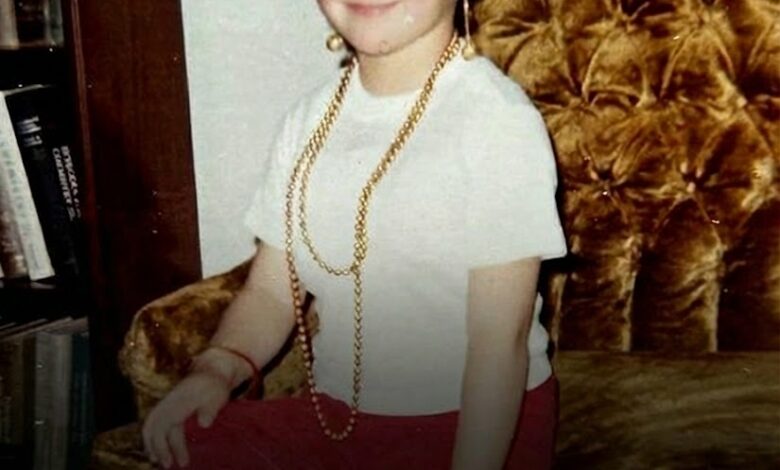
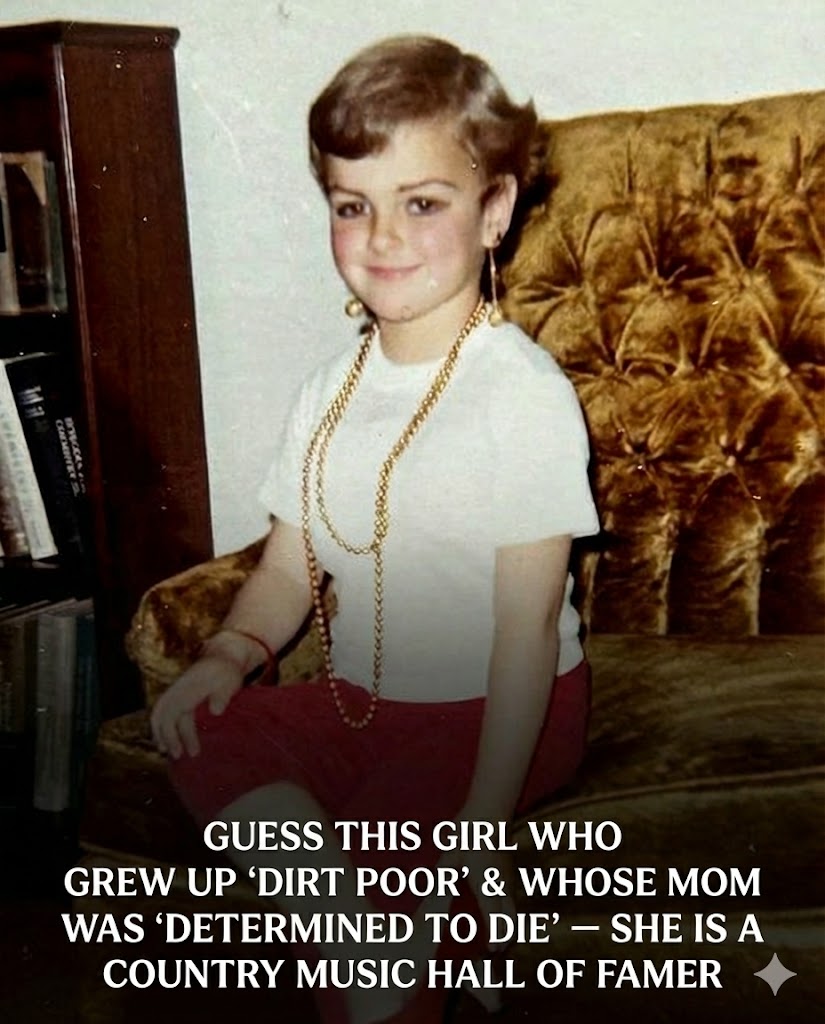
Long before the awards, the sold-out arenas, and the reverent speeches, Wynonna Judd was a little girl growing up in Appalachia with hunger as a constant companion. Hunger for food, yes—but also for safety, stability, and a sense that tomorrow might be kinder than today. Her childhood was shaped by scarcity and uncertainty, by nights when the electricity flickered and her mother, Naomi, carried the impossible weight of keeping them afloat with sheer willpower.

Music was never a pastime in that house. It was survival.
Wynonna learned early that a strong voice could open doors that poverty kept shut. When she and Naomi sang together, something shifted. The harmonies weren’t just pretty—they were purposeful. Singing became a rope thrown across a widening gap, pulling them from welfare lines and empty cupboards toward something that looked like hope. Onstage, they were powerful. Offstage, Wynonna was still a child trying to understand a world that felt unstable and unforgiving.
Fame came fast, and it came loud. Suddenly, the struggles of Appalachia were replaced with bright lights and relentless attention. But success didn’t erase the wounds that had already taken root. If anything, it magnified them. Wynonna carried deep loneliness into adulthood, along with shame she didn’t yet have language for. Food became comfort when nothing else felt dependable—a quiet refuge when emotions overwhelmed her. The world saw confidence and swagger; inside, she was still trying to feel safe.
Then, at thirty, the ground shifted beneath her feet.
Wynonna learned that the man she had called “Dad” her entire life was not her biological father. The revelation didn’t arrive gently. It landed like an earthquake, cracking what little sense of certainty she had managed to build. Identity, trust, belonging—everything suddenly felt negotiable. The anger that followed was fierce and consuming. How could so much of her story be rewritten with a single truth she’d never been allowed to know?
She was already famous by then, already praised and scrutinized in equal measure. There was no space to fall apart privately. The applause kept coming, even as her internal world fractured. Rage and grief fought for dominance, and neither offered relief. She kept performing, kept smiling, kept delivering the voice people expected—while feeling increasingly disconnected from the person behind it.
Adulthood didn’t offer the clean redemption arc people like to imagine. Love proved complicated. Marriage brought its own betrayals, reopening old wounds around trust and abandonment. Wynonna found herself confronting patterns she didn’t choose but still had to break. Therapy, self-reflection, and brutal honesty became necessities rather than luxuries. Healing was not linear. Some days it felt possible. Others, it felt like standing still in a storm.
And then came the loss that cut deeper than all the others.
Just before their induction into the Country Music Hall of Fame, Naomi Judd died by suicide. The timing was cruel beyond comprehension—an honor meant to celebrate a lifetime of music, shadowed by an unbearable goodbye. Wynonna was left to step into a spotlight soaked with grief, tasked with honoring a mother whose love was profound, complicated, and sometimes painful.
Naomi had been both savior and source of hurt. She was the woman who fought like hell to lift her family out of poverty, and also a person battling demons she could never fully outrun. Loving her meant holding contradictions without resolution. Losing her meant inheriting unfinished conversations and questions with no answers.
Wynonna didn’t step away from the stage.
Instead, she did something braver.
She kept singing.
She sang through vertigo, anxiety, and a grief that threatened to pull her under. She sang knowing that every lyric carried her mother’s shadow. She sang not because it was easy, but because it was honest. Music had always been her language for survival, and she wasn’t about to abandon it now.
There was no attempt to make the story neat. Wynonna never pretended that resilience meant being unscarred. She spoke openly about panic attacks, about food addiction, about the long work of self-acceptance. She acknowledged that fame didn’t save her, and love didn’t fix everything. What helped was facing the pain instead of hiding from it—turning wounds into testimony rather than secrets.
Motherhood changed her again. Protecting her own children became a line she refused to let history cross. She was determined to offer them honesty where she’d been given silence, stability where she’d known chaos. The past didn’t disappear, but it stopped owning the future.
Standing onstage in the years since, Wynonna has embodied a different kind of strength. Not the polished, invincible kind—but the earned kind. The kind that knows fear intimately and walks forward anyway. Her voice, once a bridge out of poverty, has become something else entirely: proof that survival can evolve into meaning.
Her story isn’t inspirational because it’s triumphant. It’s inspirational because it’s unfinished.
She doesn’t claim to have all the answers. She doesn’t frame pain as a gift or tragedy as destiny. What she offers instead is persistence—the decision to keep returning to the light, even when darkness feels familiar. She honors her mother without erasing the truth. She honors herself by refusing to disappear inside her suffering.
Resilience, in her world, isn’t about overcoming once and for all. It’s about choosing to stand up again. Choosing to sing again. Choosing, every day, to carry everything you’ve survived and still make something beautiful with it.
That is the legacy she continues to build—not just as a country icon, but as a woman who learned that healing isn’t the absence of pain. It’s the courage to keep living out loud, voice steady or shaking, and trusting that the song is still worth singing.