Why More Drivers Are Having Trouble Seeing in Traffic at Night
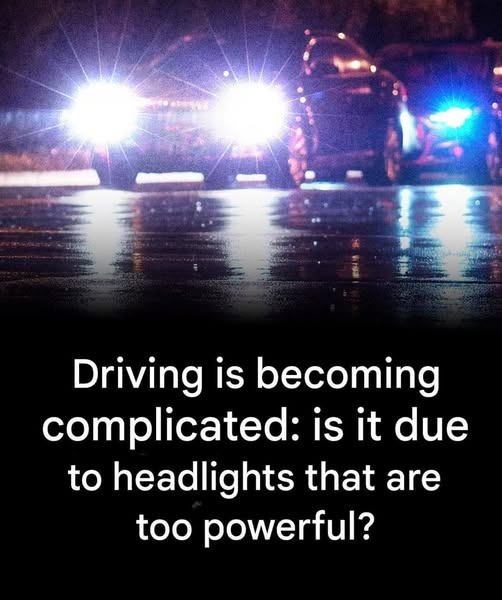
The glare hits without warning. One moment, the road ahead is clear; the next, it seems to vanish under a searing glare from oncoming headlights.

Your grip tightens on the steering wheel, and a familiar doubt creeps in—are your eyes failing, or are headlights truly that blinding? Night after night, millions of drivers face this unsettling experience.
What feels like a sudden problem with vision is often not an issue of eyesight deterioration but the result of changes in vehicle technology combined with subtle environmental and human factors. Understanding these dynamics can improve night driving safety, reduce eye strain, and make the experience far less stressful.
The Evolution of Vehicle Headlights
Vehicle headlights have come a long way since the early days of automotive travel. Incandescent halogen bulbs dominated the market for decades.
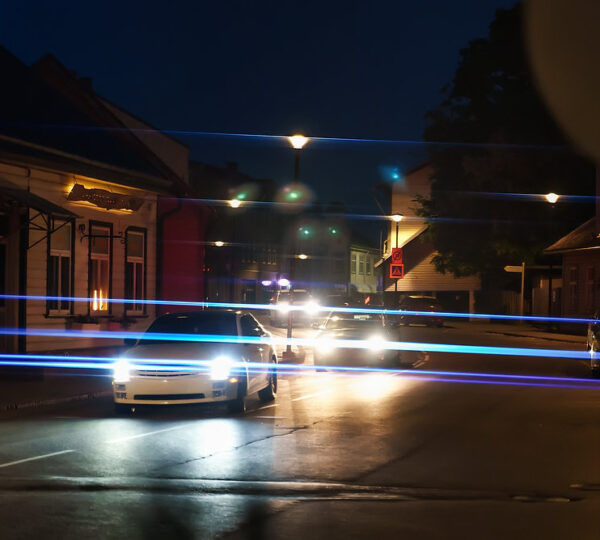
These bulbs produced a yellowish light that, while relatively dim by modern standards, caused minimal glare and generally scattered less in fog or rain.
With the rise of high-intensity discharge (HID) lamps in the late 1990s and early 2000s, drivers began to experience brighter, whiter light. HID headlights increased nighttime visibility but also introduced new glare challenges, particularly for oncoming drivers.
Today, LEDs dominate new vehicles, offering several advantages: energy efficiency, longer lifespan, and improved design flexibility. However, the intensity, beam focus, and cooler color temperature of LED headlights also contribute to increased glare.
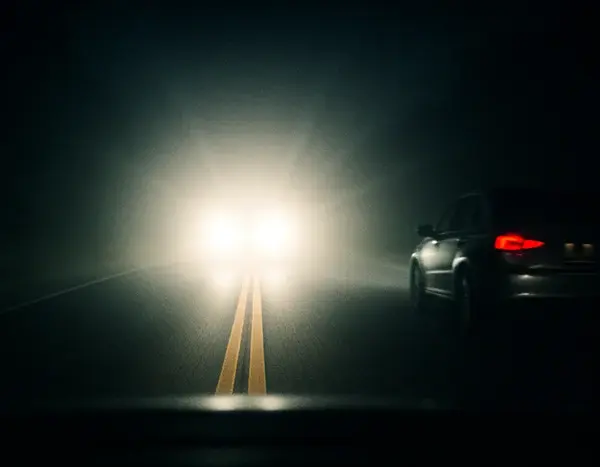
A white or blue-toned LED beam scatters more in rain, fog, or snow, causing halos and reflections that make it harder for the human eye to adjust to darkness.
Color temperature plays a crucial role in perceived brightness. Headlights in the 5,500K to 6,500K range—commonly described as “cool white”—appear brighter than halogen lights but can be harsh for oncoming drivers.
In contrast, warmer-toned headlights (around 3,000K to 4,000K) are easier on the eyes and produce less glare, though they sacrifice some distance visibility.
Vehicle Height and Design: An Overlooked Factor
The growing popularity of SUVs, trucks, and crossovers has amplified the problem of glare. Taller vehicles place headlights higher on the front fascia, causing beams to align more closely with the eye level of drivers in smaller cars.
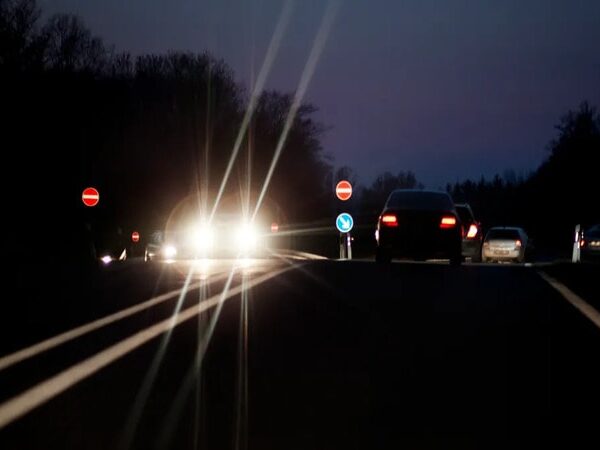
The combination of elevated headlights and high-intensity LEDs can temporarily blind oncoming drivers, even if the vehicle is traveling at a safe distance.
Misaligned headlights further exacerbate this issue. Suspension wear, uneven tire pressure, or a fully loaded trunk can tilt beams upward, sending concentrated light into the eyes of oncoming drivers.
Many drivers are unaware of the subtle adjustments required to maintain proper headlight alignment, and manufacturers’ specifications may vary between models.
Human Vision and Night Driving
Night driving itself places significant demands on the human visual system. In low-light conditions, the pupils dilate to let in more light. This makes the eyes more susceptible to sudden glare.
Older drivers often experience even greater difficulty due to reduced contrast sensitivity and slower adaptation to changes in brightness, making the experience of oncoming headlights more disorienting.
Glare can be categorized into two types:
Disability Glare – This occurs when a bright light scatters inside the eye, reducing contrast and making it difficult to see objects clearly. Oncoming LED headlights often produce this effect, particularly in rainy or foggy conditions.
Discomfort Glare – This causes eye strain or discomfort without necessarily reducing visibility. It often triggers blinking, squinting, or avoidance behaviors that can subtly affect driving performance.
Both types of glare increase the likelihood of accidents if drivers are unprepared or fail to adopt compensatory techniques.
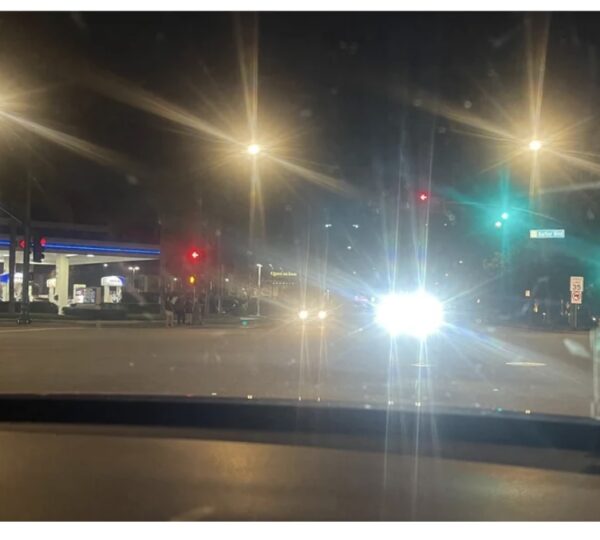
Despite the challenges, drivers are not powerless. Several simple steps can significantly reduce glare exposure and improve safety:
1. Headlight Alignment Checks
Regularly check and adjust your headlights according to manufacturer specifications. This ensures that beams aim slightly downward and to the right in right-hand traffic countries, preventing unnecessary glare for oncoming vehicles.
2. Clean Windshields and Headlight Lenses
Dirt, smudges, or scratches on windshields scatter incoming light, worsening glare. Interior cleaning is just as important as exterior washing.
Similarly, clouded or yellowed headlight lenses diffuse light in unpredictable ways, increasing discomfort for other drivers.
3. Adapt Your Driving Technique
When facing oncoming headlights, avoid looking directly at the light source. Instead, shift your gaze slightly toward the right edge of your lane. This helps maintain orientation and reduces eye strain without compromising lane positioning.
4. Use Anti-Reflective and Polarized Lenses
Eyeglass wearers can reduce discomfort using anti-reflective coatings. Some sunglasses designed for night driving may also reduce glare, although caution is necessary since overly dark lenses can impair visibility.
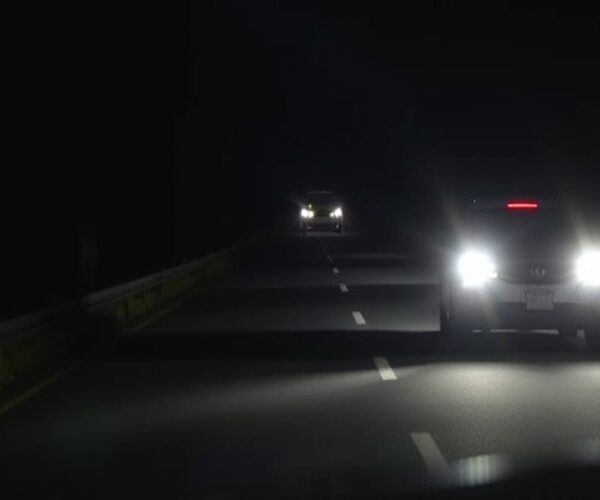
5. Avoid High Beams in Traffic
High beams provide excellent visibility but can be blinding to oncoming drivers. Only use them on empty roads and ensure you switch to low beams when approaching other vehicles.
6. Keep a Safe Following Distance
When driving behind other vehicles at night, ensure a sufficient distance to reduce the impact of reflections from their taillights and rearview glare. This simple measure minimizes visual discomfort and enhances reaction time.
7. Adaptive Headlights: The Future of Night Driving
Adaptive headlights, increasingly available in modern vehicles, automatically adjust beam direction based on steering angle, speed, and road curvature.
Some systems dim or redirect portions of the beam to prevent glare for oncoming traffic. As this technology becomes more common, night driving may become significantly safer and more comfortable.
Environmental Factors That Amplify Glare
Weather conditions further complicate night driving. Rain, fog, and snow all scatter light, creating halos around headlights. Wet roads act as mirrors, reflecting oncoming beams into drivers’ eyes.
Even light pollution in urban areas can exacerbate the difficulty of distinguishing oncoming headlights against ambient lighting.
Additionally, seasonal variations in natural light affect driver adaptation. During winter, earlier sunsets and longer nights mean drivers spend more time adjusting to low-light conditions.
Older drivers may find this especially challenging due to slower adaptation of the eyes and reduced night vision capabilities.
Technology, Regulations, and Driver Awareness
Regulations on headlight brightness and beam alignment vary by country. While modern vehicles are tested for compliance, practical real-world conditions differ.
Overly bright aftermarket modifications, misaligned lights, or aging components can create a mismatch between manufacturer intentions and driver experience.
Increasing awareness among drivers about the impact of headlight glare is crucial. Education campaigns can highlight preventive measures, encourage regular vehicle maintenance, and promote safe driving habits at night.
Automotive engineers continue to explore solutions, including advanced optics, adaptive beams, and intelligent lighting systems that reduce glare without compromising road visibility.
The Human Factor: Patience, Awareness, and Training
While technology can mitigate glare, driver behavior remains critical. Adjusting speed, scanning the road carefully, and avoiding sudden head movements during bright oncoming flashes all reduce accident risk.
Teaching defensive night driving techniques in driver education programs could save lives, particularly for young or elderly drivers who may struggle with glare sensitivity.
Furthermore, regular eye examinations are recommended. Conditions such as cataracts, glaucoma, or dry eyes can amplify the effects of glare. Corrective measures like prescription lenses or vision correction surgery may help drivers maintain confidence and safety during nighttime travel.
Conclusion: Driving Safely in an Era of Bright LEDs
Night driving is inherently challenging, and the evolution of headlight technology has introduced new complexities.
Modern LED and HID lights improve visibility for drivers in equipped vehicles but can overwhelm others if poorly aligned or combined with elevated vehicle height.
Environmental factors, human physiology, and vehicle maintenance further interact to create a unique set of risks.
The good news is that practical solutions exist. From checking headlight alignment and maintaining clean windshields to adopting adaptive driving techniques and embracing emerging technology, drivers can mitigate glare and improve safety. Awareness, preparation, and patience are key.
Ultimately, navigating the modern night road is as much about understanding human vision as it is about understanding vehicle technology.
By combining thoughtful driving practices with regular vehicle maintenance and intelligent lighting systems, night driving can become safer, less stressful, and far more manageable for everyone on the road.