Viral Video Shows Billionaire’s ‘Creepy’ Moment with Trump
A press conference at the White House intended to highlight a monumental philanthropic pledge quickly became a social media talking point.

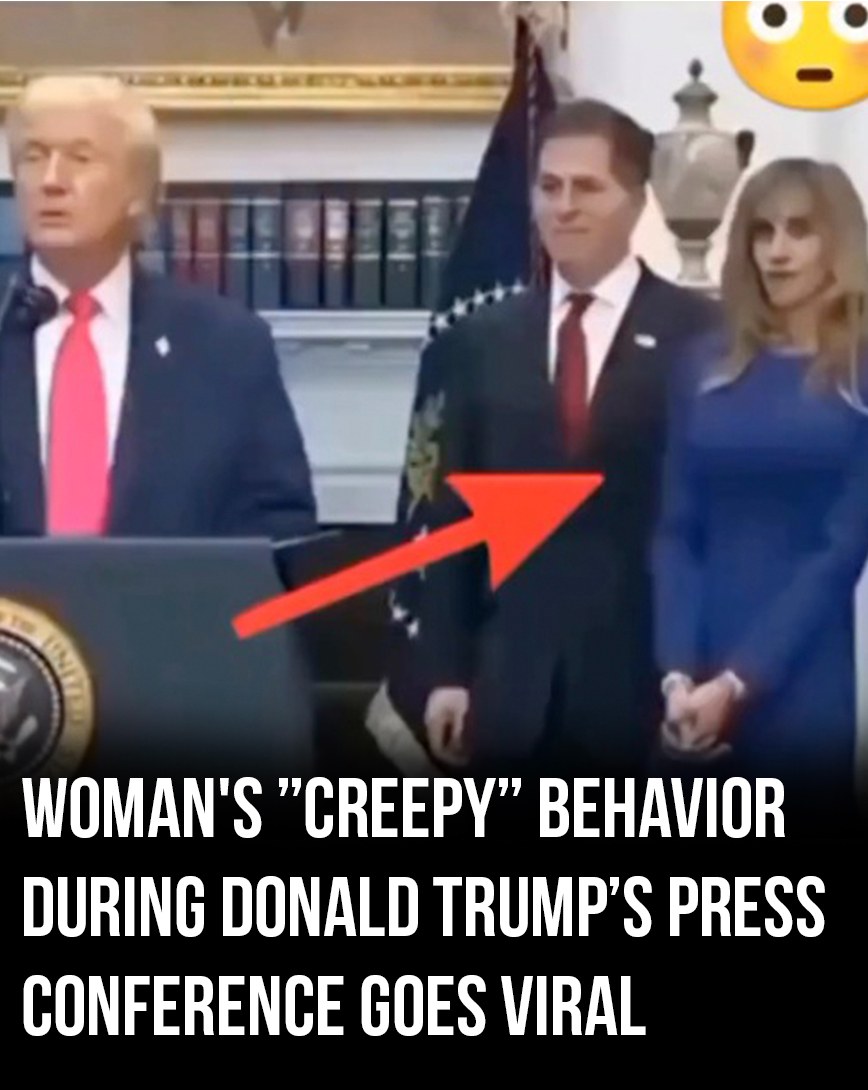
Not for the substance of the announcement, but because of a clip that went viral questioning the demeanor of one individual present during the event.
This article lays out the full context, the verified facts of the charitable initiative involving Michael and Susan Dell, and what social media speculation got wrong — without resorting to misinformation or unverified claims.
A Monumental Pledge for American Children
On December 2, 2025, billionaire philanthropists Michael and Susan Dell stood with President Donald Trump and senior administration officials at the White House to announce a groundbreaking donation: a $6.25 billion pledge aimed at bolstering long‑term financial investment accounts for millions of American children.

What the Pledge Funds
The Dells’ donation is tied to a federal savings initiative widely referred to as “Trump accounts,” created under the One Big Beautiful Bill Act, a major piece of legislation enacted earlier in 2025.
Under this initiative:
-
Every U.S. child born between January 1, 2025 and December 31, 2028 will be eligible for an automatic $1,000 government contribution into a tax‑advantaged investment account designed to grow over time.
-
The accounts must be invested in low‑cost index funds tied to broad U.S. stock market performance, intending to build wealth over a lifetime.
-
These funds become accessible when the account holder turns 18, giving young adults a potential financial head start for education, entrepreneurship, homeownership, or retirement.
How the Dells’ Pledge Fits In
The Dells’ $6.25 billion commitment will seed investment accounts with $250 each for approximately 25 million American children who are too old to receive the standard federal $1,000 contribution — namely those ages 10 and under born before 2025.
Their foundation, the Michael & Susan Dell Foundation, emphasizes that the gift is meant to give children who were born before the federal grant began a similar opportunity to grow wealth over time.
According to the Dells’ statement, the goal is to help families feel supported early and to signal that “their communities, their government, and their country care about them.”
The Push for Broader Participation and Long‑Term Growth
The Dells have encouraged other philanthropists, employers, and families themselves to contribute to these accounts, as the long‑term value depends heavily on additional contributions and market growth over time.
Parents and relatives will be able to add up to $5,000 annually, and employers may contribute up to $2,500 per year per employee child, potentially compounding the accounts’ value over decades.
While federal contributions and the Dell pledge get funds started, large additional family or community contributions could lead to significantly larger balances by adulthood.

Some projections suggest that with consistent contributions and modest returns, accounts could grow to six‑figure amounts over the long term — though actual values will vary widely based on market performance and ongoing deposits.
Who Michael and Susan Dell Are
Michael Dell is a technology entrepreneur best known as the founder, chairman and CEO of Dell Technologies, one of the world’s largest technology companies. He has steadily engaged in philanthropic work over the past two decades.
His wife, Susan Dell, has co‑led the Michael & Susan Dell Foundation, focusing much of their philanthropic energy on education, health, family economic stability, and opportunity for underserved communities in the U.S. and around the world.
Their foundation has given nearly $3 billion since its establishment in 1999.
The Dells chose to announce this donation alongside the White House to underscore the partnership between private philanthropy and federal policy aimed at supporting the financial futures of millions of families.
The Viral Clip and Widespread Online Reaction
Shortly after footage from the December press conference began circulating online, some social media posts focused on the appearance and demeanor of Susan Dell, with users speculating that she looked “possessed,” mechanical, or unrecognizable.
One viral post asked, “Who is she? Why does she look strange?” referring to a slowed‑down version of the clip that made her movements and expressions seem unusual.
The Reality Behind the Clip
However, a fact check by Lead Stories and other independent reviewers found that the video did not show any actual strange or inexplicable behavior.

The footage in question was presented in slow motion or in low resolution, which altered perception, and when viewed in the original context, Susan Dell’s expressions and movements are consistent with natural behavior during a lengthy press conference.
In other words, the “possessed” appearance was the result of video manipulation and social media framing — not evidence of anything unusual or medically notable.
There is no confirmation from credible news outlets or medical professionals that Susan Dell exhibited anything out of the ordinary at the event.
The viral characterization represents interpretation and exaggeration common in social media narratives but not reflective of verified fact.
Public and Media Responses
In spite of the social media focus on appearance, mainstream media coverage of the event has centered on the scale and implications of the Dells’ financial commitment:
-
The donation has been described as one of the largest individual philanthropic gifts directed specifically toward children’s long‑term financial opportunity.
-
Analysts and policy experts have discussed how “Trump accounts” might interact with broader financial planning for households, tax advantages, and debates over wealth inequality and government‑led savings initiatives.
-
Both supporters and critics of the underlying policy have weighed in on how the accounts operate, their accessibility, and potential long‑term benefits or limitations.
The conversation reflects a broader public interest in innovative approaches to building generational wealth — whether through private philanthropy, public policy, or a combination of both.
What This Means for Families and Children
While details about how families will claim these investments are still emerging, here’s the key takeaways based on verified information:
-
Eligible children include those born between 2025 and 2028 for the federal $1,000 grant, and those up to age 10 born before 2025 for the $250 from the Dell pledge.
-
Money in these accounts is intended to be invested long‑term and will not be accessible until age 18.
-
Parents, relatives, employers, and even community partners can contribute additional funds, potentially increasing long‑term value.
-
Accounts must be invested in diversified, low‑cost funds that track broader U.S. market performance, which historically has tended to grow over long intervals.
Financial advisors emphasize that the success and usefulness of such accounts will depend on consistent contributions, market returns, and family financial planning.
These accounts are tools — not guarantees of wealth — but they are designed to help foster financial stability and opportunity over a lifetime.

Conclusion: A Historic Gift, Not a Viral Mystery
The December White House announcement featuring Michael and Susan Dell and President Trump was significant for its financial impact — a historic philanthropic contribution to help build financial foundations for millions of American children.
While social media briefly diverted attention to an isolated video clip, the broader facts show a major collaborative effort between private donors and federal policy to create savings opportunities and boost long‑term economic prospects for the next generation.
The viral moment said more about how social media narratives can eclipse substantive news than it did about anything unusual happening at the press conference — and independent fact checks confirm that no bizarre or inexplicable behavior occurred.