What Is the “Shrimp Vein”? A Complete Guide to Understanding, Cleaning, and Cooking Shrimp
Introduction
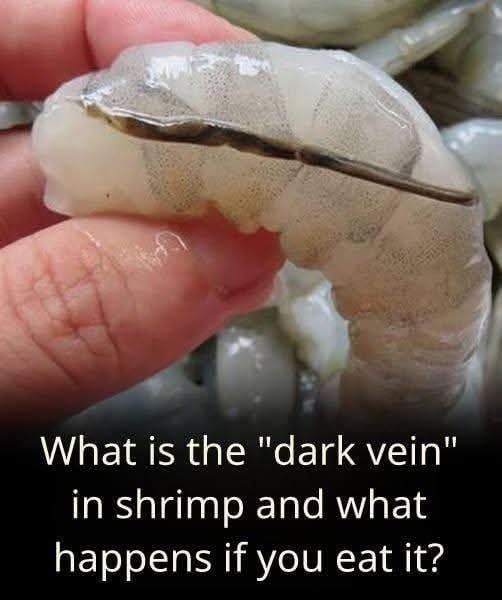
If you have ever prepared shrimp at home, you may have noticed a thin, dark line running along the back of the shrimp’s body. It is commonly referred to as the “shrimp vein.” However, despite the name, this line is not a vein at all. The term has become popular because of its appearance, but anatomically speaking, it represents something entirely different.

Understanding what the so-called shrimp vein actually is can help home cooks make informed decisions in the kitchen. Whether you are preparing shrimp for a casual family meal or an elegant dinner presentation, knowing the facts about shrimp anatomy, cleaning techniques, and food safety will boost your confidence and improve your results.
In this comprehensive guide, we will explore what the shrimp vein really is, whether it is safe to eat, how to remove it properly, and when deveining is necessary. By the end, you will have a clear understanding of this common culinary question.
What Exactly Is the “Shrimp Vein”?
The dark line commonly called the shrimp vein is actually the shrimp’s digestive tract. It is a tube-like structure that runs along the back of the shrimp from head to tail. Inside this tract is digested food and waste material, which is why it often appears dark, brown, black, or sometimes greenish.
The reason it is called a “vein” is purely visual. It resembles a thin blood vessel running through the shrimp’s body. However, shrimp do not have veins in the same way humans or mammals do. Instead, they have a simple circulatory system, and the visible line in question has nothing to do with blood flow.
Because the digestive tract may contain small amounts of waste or grit, many recipes recommend removing it before cooking. This process is commonly known as “deveining,” even though technically the term is not anatomically accurate.
Why Does the Shrimp Vein Look Dark?
The color of the digestive tract depends on what the shrimp has eaten and how recently it has fed. Since shrimp are bottom-dwelling creatures that feed on small plants, algae, and organic matter, their digestive tract can contain particles that appear dark or gritty.
In smaller shrimp, the tract is usually very thin and barely noticeable. In larger shrimp, however, it may be thicker and more visible. Sometimes it can contain small particles of sand or partially digested material, which may affect texture if left in.
This variation explains why some shrimp appear cleaner than others and why certain dishes benefit more from deveining than others.
Is It Safe to Eat the Shrimp Vein?
One of the most common concerns among home cooks is whether the shrimp vein is safe to eat. From a food safety perspective, it is generally not harmful when the shrimp is properly cooked.
Cooking shrimp thoroughly eliminates harmful bacteria and pathogens. The digestive tract itself does not pose a significant health risk in most cases. However, leaving it intact can affect flavor and texture, especially in larger shrimp where the tract may contain noticeable grit.
For this reason, deveining is primarily about improving taste and presentation rather than addressing food safety concerns.
That said, always ensure that shrimp is:
-
Stored at safe temperatures
-
Properly cleaned
-
Cooked to an appropriate internal temperature
Good kitchen hygiene is far more important for safety than whether the shrimp is deveined.
Why Do Most Recipes Recommend Deveining?
While not strictly necessary for safety, many recipes recommend removing the digestive tract for several reasons:
1. Improved Texture
In larger shrimp, the tract may contain sand-like particles that create an unpleasant mouthfeel. Removing it ensures a smoother texture.
2. Better Appearance
A dark line along the back of a shrimp can affect presentation, especially in dishes where the shrimp is clearly visible, such as shrimp cocktail or grilled skewers.
3. Enhanced Flavor
Although subtle, leaving the tract in can slightly alter flavor in delicate recipes.
For professional kitchens and restaurants, deveining is standard practice because presentation and consistency matter greatly.
When Is Deveining Necessary?
The need to devein depends largely on the size of the shrimp and the type of dish you are preparing.
Large Shrimp
For jumbo or extra-large shrimp, deveining is strongly recommended. The tract is more visible and more likely to contain noticeable grit.
Medium Shrimp
In medium-sized shrimp, it becomes a matter of preference. Many cooks still choose to remove it for aesthetic reasons.
Small Shrimp
For very small shrimp used in soups, stews, or finely chopped preparations, many cooks skip the step entirely. The tract is usually minimal and not noticeable.
Ultimately, it comes down to personal preference and how important texture and appearance are for your specific recipe.
How to Devein Shrimp at Home
Removing the digestive tract is a simple process that requires minimal tools. Here is a step-by-step guide:
Step 1: Peel the Shrimp
Remove the shell and legs. You may leave the tail on if your recipe calls for it.
Step 2: Make a Shallow Cut
Using a small paring knife, make a shallow incision along the back of the shrimp. Do not cut too deeply — you only need to expose the tract.
Step 3: Lift Out the Tract
Use the tip of the knife or a toothpick to gently lift out the dark line. It should come out easily in one piece.
Step 4: Rinse (Optional)
Some cooks prefer to quickly rinse the shrimp under cold water after deveining to remove any residue.
That’s it — the process takes only seconds once you get comfortable with it.
Are There Pre-Deveined Options?
Yes. Many seafood markets and grocery stores sell shrimp that are already peeled and deveined. These options can save time and effort, especially for busy home cooks.
When purchasing pre-cleaned shrimp:
-
Look for fresh smell (not overly fishy)
-
Check that the shrimp are firm and translucent
-
Ensure they are properly refrigerated or frozen
Pre-deveined shrimp are convenient, but some cooks prefer cleaning shrimp themselves for greater control over freshness and quality.
Understanding Shrimp Anatomy
To better understand the shrimp vein, it helps to know a little about shrimp anatomy. Shrimp are crustaceans with segmented bodies consisting of:
-
Head
-
Thorax
-
Abdomen (tail section)
The digestive tract runs along the back portion of the abdomen. Shrimp also have a nervous system, heart, and other internal organs, but these are not visible when preparing them for cooking.
Unlike mammals, shrimp have an open circulatory system. This further confirms that the dark line is not related to blood vessels.
Understanding this basic anatomy can make the cleaning process feel less mysterious and more straightforward.
Cooking Shrimp After Deveining
Once cleaned, shrimp are incredibly versatile. They cook quickly and adapt to a wide range of cuisines and techniques.
Popular Cooking Methods:
-
Grilling
-
Sautéing
-
Steaming
-
Boiling
-
Baking
-
Stir-frying
Because shrimp cook rapidly — often in just 2–3 minutes per side — overcooking is a more common issue than undercooking. Properly cooked shrimp turn opaque and form a gentle “C” shape. Overcooked shrimp may curl tightly and become rubbery.
Deveining before cooking ensures a clean presentation and consistent texture regardless of the method used.
Does Every Culture Devein Shrimp?
Culinary practices vary around the world. In some cuisines, deveining is standard practice. In others, especially when shrimp are small or used in broths, the step may be skipped.
Professional chefs often prioritize appearance, particularly in fine dining settings. Home cooks, however, may decide based on convenience and personal taste.
There is no universal rule — only informed choice.
Common Myths About the Shrimp Vein
Let’s clear up a few misconceptions:
Myth 1: It’s a Blood Vessel
False. It is the digestive tract.
Myth 2: It’s Dangerous to Eat
Not generally true when shrimp are properly cooked.
Myth 3: You Must Always Remove It
Not necessarily. It depends on shrimp size and recipe.
Separating fact from fiction helps eliminate unnecessary worry in the kitchen.
Tips for Buying and Storing Shrimp
Whether deveined or not, quality shrimp start with proper purchasing and storage.
Buying Tips:
-
Choose shrimp that smell clean and mild
-
Avoid shrimp with a strong ammonia-like odor
-
Look for firm texture and glossy appearance
Storage Tips:
-
Keep refrigerated and use within 1–2 days
-
Store on ice if possible
-
Freeze promptly if not using immediately
Proper storage plays a much larger role in safety than whether the shrimp is deveined.
Sustainability Considerations
When buying shrimp, consider choosing sustainably sourced options. Look for certifications or inquire about origin. Sustainable seafood practices help protect marine ecosystems and ensure long-term availability.
Being informed about sourcing can enhance both your cooking experience and environmental impact.
Presentation Matters in Certain Dishes
For recipes where shrimp are the visual centerpiece, deveining is usually worth the effort. Examples include:
-
Shrimp cocktail
-
Pasta dishes
-
Grilled skewers
-
Salads
-
Appetizers
In these cases, a clean appearance enhances the overall dining experience.
Confidence in the Kitchen
For many beginner cooks, seafood preparation can feel intimidating. However, understanding what the shrimp vein actually is removes much of the uncertainty.
It is simply part of the shrimp’s anatomy — not something dangerous or alarming. With basic knowledge and simple technique, preparing shrimp becomes an easy and rewarding process.
The more comfortable you become with cleaning and cooking shrimp, the more creative you can be with recipes and flavor combinations.
Final Thoughts
The “shrimp vein” is a commonly misunderstood term. Rather than being a vein, it is the shrimp’s digestive tract. While generally safe to consume when properly cooked, removing it can improve texture, flavor, and presentation — especially in larger shrimp.
Whether you choose to devein shrimp depends on your recipe, personal preference, and presentation goals. Armed with accurate information, you can make confident decisions in your kitchen.
Shrimp remain one of the most popular and versatile seafood ingredients worldwide. By understanding their anatomy and proper preparation techniques, you can elevate your cooking skills and enjoy delicious, well-prepared meals every time.
With this knowledge, the next time you prepare shrimp, you will know exactly what that thin dark line is — and how to handle it with ease.