Why Hard-Boiled Eggs Sometimes Have a Green Ring—and How to Avoid It
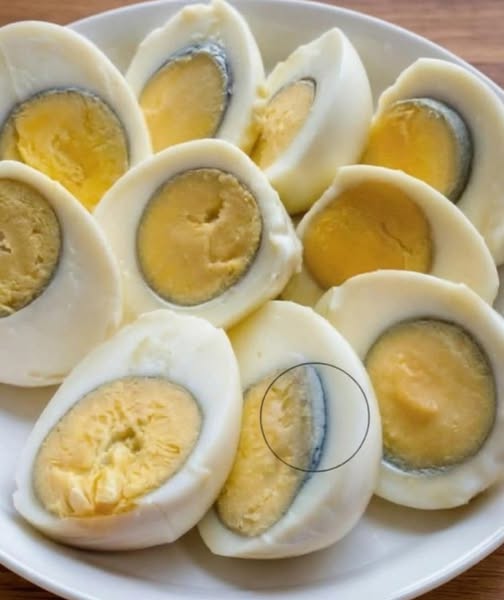
If you’ve ever sliced into a hard-boiled egg and noticed a greenish-gray ring encircling the yolk, there’s no need to panic. While it may look unappetizing, this discoloration is completely harmless. It’s a natural chemical reaction that occurs during cooking and does not indicate spoilage or any health risk.

What Causes the Green Ring?
The green ring forms due to a reaction between iron in the egg yolk and sulfur in the egg white. When eggs are exposed to high heat for too long, these elements combine to produce iron sulfide, which appears as a green or gray layer on the outer edge of the yolk.
-
High heat or prolonged cooking accelerates this reaction.
-
Freshness of the egg can also influence how pronounced the ring is. Very fresh eggs are more acidic, which slightly slows the reaction, while slightly older eggs may show the green ring more prominently if overcooked.
Although the green ring doesn’t affect safety, overcooking eggs can subtly change texture and flavor. Yolks may become dry or crumbly, and whites can turn rubbery, which is noticeable in salads, deviled eggs, or breakfast platters where presentation matters.
How to Prevent the Green Ring
Preventing the green ring is simple: the key is controlling heat and timing. Here’s a step-by-step guide to cooking perfect hard-boiled eggs every time:
-
Start with a single layer of eggs: Place eggs in a saucepan without stacking to ensure even cooking.
-
Cover with cold water: Add enough water to submerge the eggs by about 1–2 inches. Using cold water helps the eggs heat gradually and reduces cracking.
-
Bring to a gentle boil: Heat the pot over medium heat until bubbles begin to form—not a rolling, aggressive boil. Rapid boiling increases the likelihood of overcooking and discoloration.
-
Remove from heat and cover: Once the water reaches a boil, take the pot off the stove, cover it with a lid, and let the eggs sit in hot water for 9–12 minutes. Timing depends on your preferred yolk firmness:
-
Soft to medium yolks: 9–10 minutes
-
Fully firm yolks: 11–12 minutes
-
Cooling Eggs Quickly
Once the cooking time is complete, immediately transfer the eggs to a bowl of ice water. This rapid cooling achieves several benefits:
-
Stops further cooking, preventing the green ring from forming.
-
Makes peeling easier by separating the membrane from the shell.
-
Helps maintain smooth whites and vibrant yolks.
Let the eggs sit in the ice water for at least 5–10 minutes before peeling or storing.
Tips for Easier Peeling
Using slightly older eggs—about 5–7 days old—is better for peeling than very fresh eggs. Fresh eggs cling tightly to the membrane, making them more difficult to peel neatly.
Other tips include:
-
Gently cracking the shells all over and rolling the egg on a hard surface before peeling.
-
Peeling under running water to help separate the shell from the egg.
-
Avoiding storing eggs in the refrigerator for too long after boiling, as prolonged storage can dry out the yolk slightly.
Alternative Cooking Methods
If you want consistent results without worrying about green rings:
-
Steaming: Place eggs in a steamer basket over boiling water for 12–14 minutes, then cool in ice water. Steaming provides more gentle, even heat and often produces smoother whites.
-
Instant Pot or pressure cooker: Set eggs on a trivet, add 1 cup of water, cook on high pressure for 5 minutes, then use a natural or quick release method followed by an ice bath. This method reduces overcooking risk.
Why It’s Completely Safe
The green ring might not be aesthetically pleasing, but it’s purely cosmetic. It does not indicate that the egg is spoiled, nor does it affect nutritional value. Eggs with green rings can still be used in sandwiches, salads, deviled eggs, or eaten plain.
In fact, understanding the chemistry behind the ring can help you improve your egg-cooking technique. By controlling heat, timing, and cooling, you can consistently enjoy eggs with smooth whites and bright yellow yolks, perfect for any dish.
Summary: Key Takeaways
-
The green ring around hard-boiled eggs is caused by iron in the yolk reacting with sulfur in the white, forming harmless iron sulfide.
-
Overcooking accelerates the reaction and can slightly affect texture.
-
Gentle heating and precise timing—plus an immediate ice water bath—prevent the green ring.
-
Slightly older eggs are easier to peel, making them ideal for salads or deviled eggs.
-
Alternative cooking methods like steaming or using a pressure cooker can further reduce the chance of discoloration.
With these simple techniques, you can enjoy perfectly cooked hard-boiled eggs that look as good as they taste—every time.
The Science Behind Hard-Boiled Eggs
Understanding why eggs react the way they do when cooked helps you prevent the green ring and get perfect results every time. Eggs are made up of two main components: the egg white (albumen) and the yolk.
-
Egg white: About 90% water and 10% proteins, the white coagulates and becomes firm when heated. Overheating can make it rubbery or tough.
-
Egg yolk: Contains fats, proteins, and iron. When cooked too long or at high temperatures, iron reacts with sulfur from the whites, forming the greenish-gray iron sulfide ring.
The reaction occurs mostly at the edge of the yolk because that is where the yolk and white meet. The longer the egg sits in hot water after boiling, the more pronounced the reaction becomes. This is why timing and rapid cooling are critical.
Step-By-Step Guide to Perfect Hard-Boiled Eggs
Here’s a more detailed approach to ensure flawless results every time:
-
Choose your eggs wisely: Slightly older eggs (5–7 days old) are easier to peel. Very fresh eggs tend to stick to the membrane.
-
Place eggs in a single layer: Avoid stacking; this ensures even heat distribution.
-
Add cold water: Cover eggs by 1–2 inches. Starting with cold water prevents cracking from sudden temperature changes.
-
Bring to a gentle boil: Medium heat is sufficient. A rolling boil can cause cracking and overcooking.
-
Remove from heat and cover: Let eggs sit for 9–12 minutes depending on yolk preference.
-
Transfer to ice water: Immediately cool eggs for at least 5–10 minutes. This stops cooking and prevents the green ring.
-
Peel carefully: Tap all over to crack the shell, roll gently, and peel under running water if needed.
Common Mistakes to Avoid
Even experienced cooks can accidentally produce green rings or rubbery whites. Common errors include:
-
Boiling too aggressively: High heat speeds up the iron-sulfur reaction.
-
Leaving eggs in hot water too long: Residual heat continues cooking and encourages discoloration.
-
Skipping the ice bath: Without rapid cooling, the chemical reaction continues, forming the green ring.
-
Using extremely fresh eggs for peeling: Fresh eggs are harder to peel, which can lead to broken whites.
By avoiding these mistakes, you can ensure visually appealing eggs with creamy yolks and smooth whites.
Storage Tips for Hard-Boiled Eggs
Proper storage helps maintain freshness, flavor, and texture.
-
Refrigeration: Store unpeeled hard-boiled eggs in the fridge for up to one week. Keep them in a covered container to prevent odor absorption.
-
Labeling: Note the date cooked on the container to track freshness.
-
Peeled eggs: Store peeled eggs in water or lightly damp paper towels in an airtight container. Change the water daily if storing peeled eggs to maintain moisture.
Avoid leaving eggs at room temperature for more than two hours to prevent bacterial growth. Proper storage also preserves the texture, preventing yolks from drying out.
Creative Ways to Use Hard-Boiled Eggs
Hard-boiled eggs are versatile and can enhance a variety of dishes. Here are some ideas:
-
Classic egg salad: Chop eggs with a bit of mayonnaise, mustard, and seasoning for sandwiches or wraps.
-
Deviled eggs: Mix yolks with mayonnaise, mustard, and spices for a party-ready appetizer.
-
Breakfast bowls: Add sliced eggs to grain bowls or salads for protein and flavor.
-
Pickled eggs: Store peeled eggs in vinegar with herbs and spices for a tangy snack.
-
Ramen or noodle dishes: Halve eggs for rich, protein-packed toppings.
Perfectly cooked eggs with no green ring are more appealing for presentation and elevate any meal.
Nutritional Benefits
Hard-boiled eggs are a nutritious, protein-rich food that supports health and satiety:
-
Protein: Each egg provides about 6–7 grams of high-quality protein.
-
Vitamins: Eggs are rich in vitamin B12, vitamin D, and riboflavin.
-
Minerals: Iron and selenium are abundant in eggs.
-
Healthy fats: Yolk contains essential fatty acids, including omega-3s in certain eggs.
Even with a green ring, the egg remains safe and retains all nutrients. Presentation aside, the nutritional value is unaffected.
Advanced Techniques for Consistency
For those seeking flawless eggs every time, additional methods can help:
-
Steaming eggs: Place eggs in a steamer basket over boiling water for 12–14 minutes, then transfer to ice water. Steaming reduces the risk of overcooking and green rings.
-
Pressure cooking: Using an Instant Pot or pressure cooker ensures precise timing and prevents the green ring. Typically, 5 minutes at high pressure followed by a quick ice bath works well.
-
Sous-vide eggs: Cooking at controlled low temperatures produces tender whites and creamy yolks with zero risk of discoloration.
These techniques are especially useful for professional chefs or anyone preparing large quantities.
Tips for Presentation
Even perfectly cooked eggs can look dull if not handled carefully. Consider:
-
Peeling gently: Preserve smooth whites.
-
Slicing cleanly: Use a sharp knife or egg slicer for even pieces.
-
Serving immediately: Eggs are best served soon after peeling or cooling to prevent dryness.
-
Adding color contrast: Place eggs on a bed of greens or alongside vibrant vegetables for visual appeal.
A visually attractive egg enhances both taste perception and enjoyment.
Final Thoughts
The green ring around hard-boiled eggs is a harmless chemical reaction, caused by iron and sulfur interacting under heat. With proper cooking techniques, careful timing, rapid cooling, and proper storage, you can prevent this discoloration while producing smooth whites and bright yolks.
Understanding the science behind cooking eggs helps you achieve consistent results and avoids the common pitfalls of overcooking. Hard-boiled eggs are versatile, nutritious, and convenient, making them an excellent addition to salads, sandwiches, and breakfast dishes.
By following these steps, experimenting with advanced cooking methods, and using proper storage, you can enjoy perfectly cooked eggs every time—no green ring, no rubbery whites, just delicious, visually appealing results.