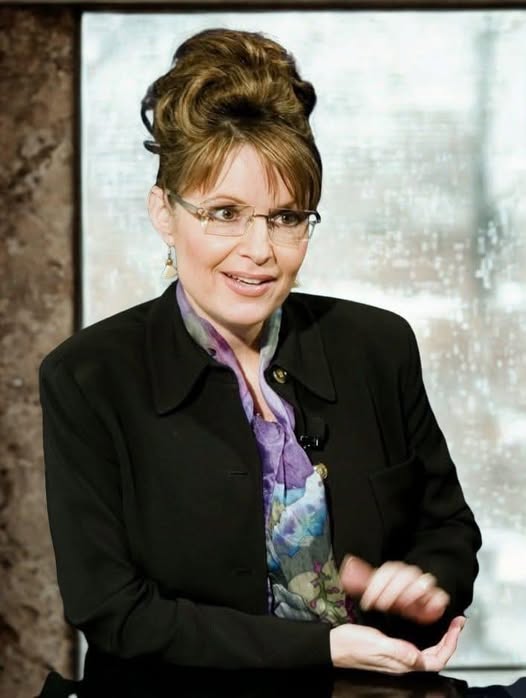
Sarah Palin: A Closer Look at Her Public Image, Political Career, and Media Presence
Introduction
Few political figures of the 21st century have generated as much sustained public attention as Sarah Palin. Rising to national prominence during the 2008 U.S. presidential election, Palin quickly became one of the most recognized names in American politics. Known for her distinctive communication style, strong conservative views, and confident public persona, she has remained a subject of media discussion long after her vice-presidential campaign concluded.

Over the years, images of Sarah Palin—from campaign events to television appearances—have circulated widely in both traditional and digital media. These photos and public moments reflect more than visual documentation; they tell the story of a political figure who has consistently shaped her own narrative in a rapidly evolving media landscape.
This article explores Sarah Palin’s career, public image, media strategy, and enduring influence, offering a balanced and professional overview of her role in modern American political culture.
Early Life and Path to Politics
Sarah Palin was born in Sandpoint, Idaho, but was raised in Alaska, a state that would later become central to her political identity. After completing her education, she became involved in local politics, eventually serving on the Wasilla City Council before being elected mayor of Wasilla in 1996.
Her early political career was marked by an emphasis on fiscal conservatism, government transparency, and reform. These themes would later define her broader political brand. In 2006, she was elected governor of Alaska, becoming the state’s youngest and first female governor.
As governor, Palin focused on issues such as energy development, budget reform, and ethics legislation. Her leadership style, often described as direct and assertive, resonated with many Alaskans and positioned her as a rising figure within the Republican Party.
The 2008 Vice-Presidential Campaign
Palin’s national profile expanded dramatically in 2008 when she was selected as the Republican vice-presidential nominee alongside Senator John McCain. The announcement immediately captured widespread media attention.
As the first female Republican vice-presidential nominee, Palin’s candidacy carried historic significance. Her campaign appearances drew large crowds, and her speeches frequently emphasized themes of reform, national security, and traditional values.
During the election cycle, images from rallies, debates, and interviews were widely distributed across television networks, newspapers, and online platforms. Palin’s visual presentation—often incorporating elements reflective of her Alaskan background—became part of her broader political identity.
Although the Republican ticket did not win the election, the campaign firmly established Palin as a prominent national figure.
Media Attention and Public Image
From the moment she entered the national spotlight, Sarah Palin’s public image became a focal point of media coverage. Her speaking style, tone, and wardrobe were often discussed in both political commentary and lifestyle reporting.
Photographs of Palin at campaign rallies, political conferences, and media events frequently highlighted her confident stage presence. Her fashion choices, sometimes seen as unconventional within traditional political circles, drew both praise and critique.
Supporters viewed her presentation as refreshing and relatable, while critics occasionally questioned whether media focus on appearance detracted from substantive policy discussions. Regardless of perspective, her image became an integral component of her public identity.
In an era increasingly shaped by digital platforms, visuals play a powerful role in shaping narratives. Palin’s photos—shared widely across social media—contributed to ongoing public conversation about her influence and legacy.
Transition Into Media and Entertainment
Following the 2008 election, Palin expanded her public presence beyond traditional politics. She authored books, delivered paid speeches, and appeared as a commentator on various news networks.
In 2010, she starred in a reality television series titled Sarah Palin’s Alaska. The program offered viewers a glimpse into her family life and Alaska’s natural landscape, blending personal storytelling with scenic visuals.
The series demonstrated her ability to adapt to evolving media formats. By participating in television projects, she broadened her audience and maintained cultural relevance beyond electoral politics.
Throughout this period, photos from filming locations, interviews, and public appearances continued circulating widely, reinforcing her recognizable brand.
Communication Style and Public Persona
One of the defining aspects of Sarah Palin’s public image is her communication style. Known for her informal, conversational tone, she often framed policy discussions in accessible language.
Her approach appealed to many voters who valued straightforward messaging. Campaign imagery frequently captured her engaging directly with supporters, reinforcing a sense of connection.
Critics sometimes characterized her rhetoric as polarizing, reflecting broader divisions in American political discourse. Nevertheless, her ability to command attention and maintain visibility demonstrates her skill in navigating media cycles.
In today’s fast-paced information environment, political figures must compete for limited public attention. Palin’s strong personal brand has allowed her to remain part of national conversations for nearly two decades.
Fashion, Presentation, and Cultural Commentary
Public figures often face scrutiny not only for their policies but also for their personal style. In Palin’s case, her wardrobe and presentation became topics of cultural commentary during and after the 2008 campaign.
Supporters frequently praised her for projecting confidence and individuality. Observers noted that her fashion choices sometimes differed from the conventional attire typically associated with female politicians.
Over time, discussions about her appearance have contributed to broader debates regarding gender expectations in politics. Many analysts have pointed out that female public figures often face disproportionate attention regarding clothing and presentation compared to their male counterparts.
Palin’s response to such commentary has generally reflected resilience and self-assurance. She has consistently emphasized her focus on policy and public engagement rather than external critiques.
Influence on Conservative Politics
Sarah Palin’s influence extends beyond her campaign and media appearances. Many political commentators credit her with energizing segments of the conservative base during a period of shifting political dynamics.
Her emphasis on grassroots engagement and outsider status resonated with voters who sought alternatives to traditional political establishments. Some analysts view her as a precursor to later movements that prioritized populist messaging within American conservatism.
While opinions about her legacy vary, few dispute that she played a significant role in shaping political discourse during a transformative era.
Digital Era Visibility
The rise of social media has amplified the reach of public figures. Platforms such as Twitter, Facebook, and Instagram have enabled politicians and commentators to communicate directly with audiences.
Palin has maintained an active presence online, sharing statements, photos, and commentary. This digital engagement has allowed her to remain connected with supporters and respond quickly to current events.
Photographs shared through online platforms often receive widespread attention, further reinforcing her visibility in the public sphere.
In the modern media environment, digital imagery can shape perceptions as strongly as televised appearances once did. Palin’s continued engagement demonstrates her awareness of this evolving landscape.
Public Perception and Ongoing Debate
Public opinion regarding Sarah Palin remains diverse. Supporters often highlight her leadership background, communication skills, and advocacy for conservative values. Critics may question aspects of her political positions or media strategies.
Such differing viewpoints reflect the broader polarization present in American political discourse. As with many high-profile figures, her legacy continues to be interpreted through varying lenses.
Despite debate, her sustained visibility indicates lasting relevance. Few political candidates from the 2008 election cycle continue to receive comparable levels of public attention.
The Role of Photography in Political Branding
Photography plays a crucial role in shaping how political figures are perceived. Images capture not only appearances but also context—crowds, gestures, expressions, and environments.
For Sarah Palin, photographs from campaign rallies, state events, and television productions have documented the evolution of her career. These visuals contribute to collective memory and historical record.
Political branding often relies on consistency. From Alaskan backdrops to national stages, her imagery has frequently reinforced themes of independence and determination.
In an increasingly visual culture, photographs become part of a public figure’s enduring narrative.
Looking Ahead
While Sarah Palin’s most prominent electoral role occurred in 2008, her presence in American public life continues. Whether through commentary, public speaking, or digital engagement, she remains a recognizable and influential personality.
The discussion surrounding her career highlights broader themes in contemporary politics: media influence, gender dynamics, populist messaging, and the intersection of entertainment and governance.
As political landscapes evolve, figures like Palin illustrate how personal branding and media strategy can shape long-term visibility.
Conclusion
Sarah Palin’s journey from Alaska’s governor to national vice-presidential nominee and media personality reflects the complex interplay between politics and public image. Her career has been marked by strong opinions, widespread attention, and enduring cultural impact.
Photographs and media appearances over the years have documented not only her political activities but also her approach to presentation and communication. Whether admired or critiqued, her influence on American political discourse is undeniable.
The story of Sarah Palin underscores the importance of image, adaptability, and resilience in the modern era. As conversations about politics and media continue to evolve, her role in shaping those discussions remains a noteworthy chapter in recent American history.