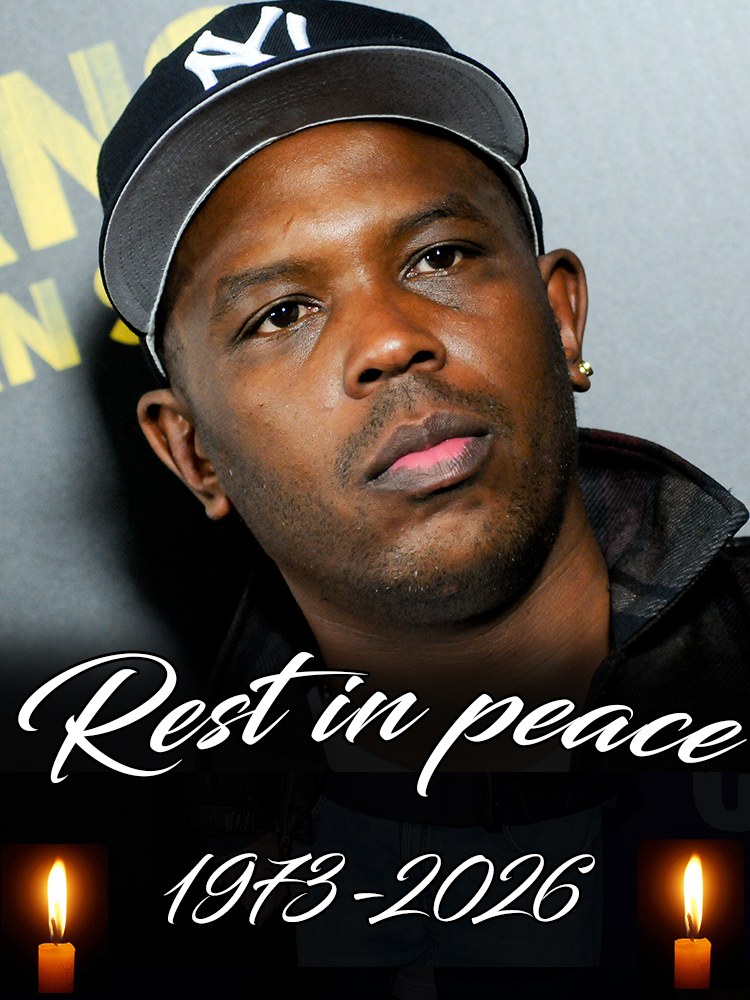
“Oliver ‘Power’ Grant, Founding Member of Wu-Tang Clan, Dies at 52”
The music world is in mourning after the death of Oliver “Power” Grant, a visionary entrepreneur, producer, and founding member of the influential hip‑hop collective Wu‑Tang Clan.

Grant passed away on Monday, February 23, 2026, at the age of 52, the group confirmed on social media. At the time of reporting, no cause of death has been publicly disclosed.
Grant’s passing marks a poignant moment in hip‑hop history, coming just as Wu‑Tang Clan was announced as a nominee for the 2026 Rock & Roll Hall of Fame, an honor that would further cement the group’s lasting cultural impact.
Early Life and Path to Wu‑Tang Clan
Oliver Grant was born on November 3, 1973, in Jamaica and later moved to Staten Island, New York, where he grew up in the Park Hill Projects.
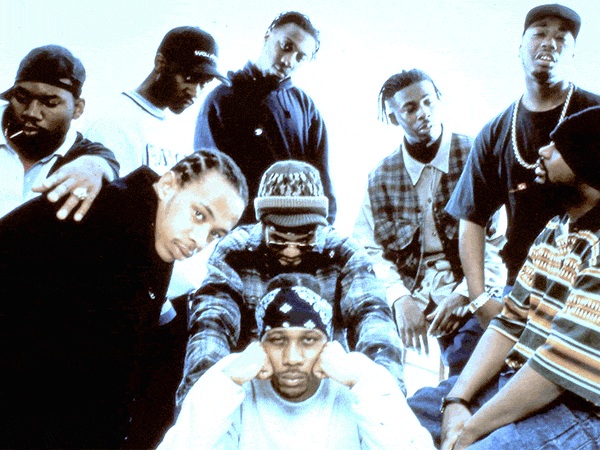
It was there that he forged lifelong friendships with several individuals who would become core members of Wu‑Tang Clan, including RZA, GZA, Method Man, Raekwon, Inspectah Deck, U‑God, and Masta Killa.
Grant’s nickname “Power” was reportedly given to him over a game of chess by the group’s early members, symbolizing strength and influence — qualities he would bring to the collective’s business and cultural strategy.
Although not a rapper or performer, Grant became an integral figure in the group’s rise.
Early on, he used his business sense and financial resources to support the group’s ambitions, helping raise funds for studio time and production that led to their first music recordings.
Behind the Scenes: Building a Cultural Empire
Executive Producer and Business Strategist
Grant played an essential role in the production and business organization of Wu‑Tang Clan’s earliest projects. He is credited with executive producing the group’s debut album, 1993’s Enter the Wu‑Tang (36 Chambers) — an album widely regarded as one of the most important and influential in hip‑hop history.
His contributions helped shape not only the sound of the collective but also the group’s approach to ownership, rights, and revenue sharing — a model that was unusual in hip‑hop at the time.
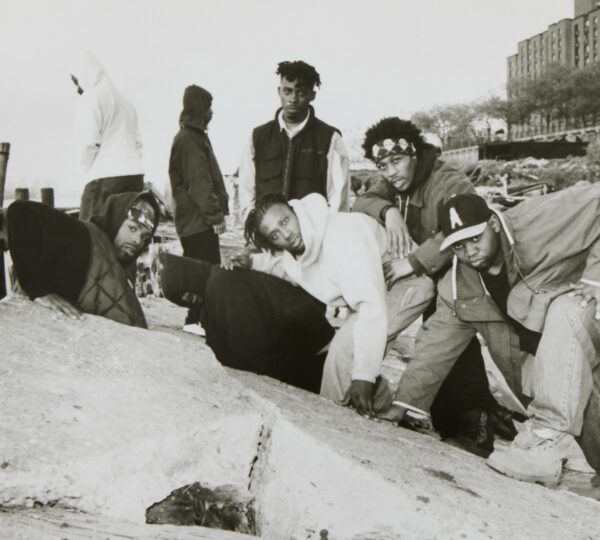
In interviews, Grant described his business philosophy as grounded in learning through “trial and error” and hard knock life experiences, emphasizing hustle, collaboration, and empowerment as central to their success.
Wu Wear: Hip‑Hop Fashion Pioneer
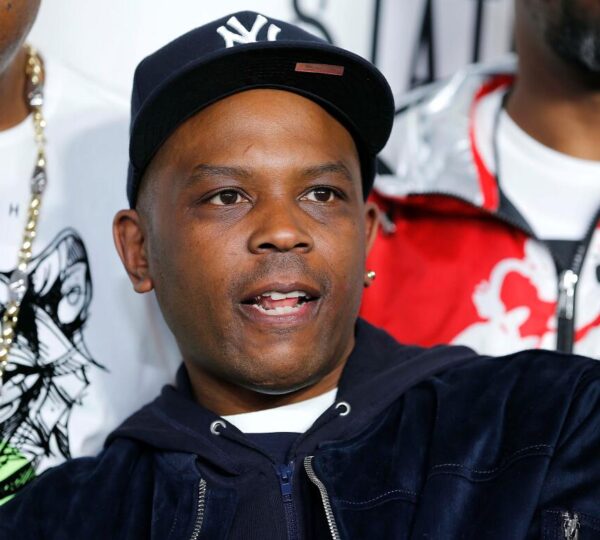
In 1995, Grant founded Wu Wear, one of the earliest and most successful artist‑owned fashion brands in hip‑hop.
Built around the group’s iconic “W” logo, the brand became a symbol of the culture’s influence beyond music. Under Grant’s leadership, Wu Wear expanded from streetwear to a global lifestyle brand.
At its peak, Wu Wear achieved significant commercial success, with flagship stores in major cities like New York City, Los Angeles, and Atlanta and distribution through department stores across the United States.
The label became a cultural force, inspiring countless fans and influencing how music artists approached fashion and branding.
The original Wu Wear brand was later restructured and renamed Wu‑Tang Brand in 2008, and in 2017, Grant and RZA relaunched Wu Wear with Live Nation Merchandise, bringing the iconic label back to a new generation.
Creative Ventures and Acting
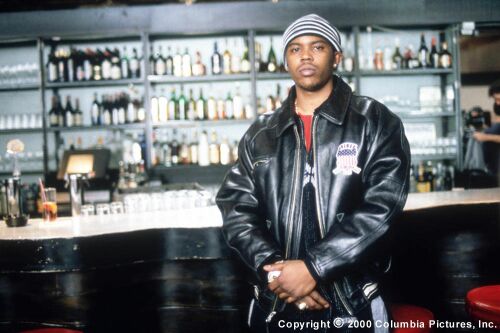
In addition to his business accomplishments, Grant also explored creative ventures in film and media. He appeared onscreen in Hype Williams’ 1998 crime drama Belly and the 1999 ensemble film Black and White, both of which featured fellow Wu‑Tang members and showcased the collective’s cultural reach.
Grant was also connected with the group’s expansion into other media, including the 1999 PlayStation video game Wu‑Tang: Shaolin Style — a fighting game that featured Wu‑Tang’s members as playable characters and introduced the collective’s mythology to the gaming world.
Reactions and Tributes From the Hip‑Hop Community
The response to Grant’s death was immediate and heartfelt, as members of Wu‑Tang Clan and peers from across the music world paid tribute to his legacy:
-
Method Man, a Grammy‑winning rapper and original Wu‑Tang member, shared an emotional message on Instagram, writing, “Paradise my Brother, safe travels!! … Bruh I am not OK.”
-
GZA, known as “The Genius,” acknowledged Grant’s foundational role, saying “Wu wouldn’t have come to fruition without Power. His passing is a profound loss to us all.”
-
Raekwon and other artists offered words of affection and spiritual support, highlighting Grant’s influence both personally and professionally.
Recognitions also came from artists beyond Wu‑Tang’s immediate circle. DJ Premier called Grant a “pioneer for the culture,” and rapper Cam’ron honored him as a legend whose work transcended music to shape fashion and identity in hip‑hop.
Legacy: A Blueprint for Artists and Entrepreneurs
Though he never performed as an MC, Grant’s influence on hip‑hop — particularly in how artists think about ownership, branding, and creative control — is widely acknowledged.
His work helped shape the business model of Wu‑Tang Clan into something beyond a music group: a cultural institution.
Wu Wear, under Grant’s guidance, set a precedent for artist‑founded fashion labels that later generations of musicians would emulate.
His vision of integrating music, fashion, and commerce helped redefine how hip‑hop artists could leverage their brand for sustainable business ventures.
Grant’s approach emphasized empowerment and community, values that remain integral to many contemporary artist‑led enterprises.
His leadership helped demonstrate that hip‑hop could be both culturally rich and economically strategic — a legacy that extends far beyond chart performance or record sales.
Historic Timing and Honors
The announcement of Grant’s death coincided with another historic moment for Wu‑Tang Clan: their nomination for the Rock & Roll Hall of Fame Class of 2026.
If inducted, they would join other hip‑hop legends such as Outkast and The Notorious B.I.G., highlighting the genre’s expanding recognition within the broader musical canon.
The timing underscores Grant’s role not just in shaping Wu‑Tang’s early years, but in contributing to a legacy that continues to resonate and be celebrated across generations.
Remembering Oliver “Power” Grant
Oliver “Power” Grant’s life and career represent a defining chapter in hip‑hop history. From the streets of Staten Island to global cultural influence, his contributions helped ensure that Wu‑Tang Clan’s music, identity, and business innovations would endure.
While the cause of his passing remains private, the outpouring of respect from fellow artists, fans, and industry figures affirms that Grant’s impact will continue to be felt throughout the worlds of music, fashion, and culture.
His legacy is echoed not only in the beats and rhymes of hip‑hop but also in the entrepreneurial spirit he helped cultivate for artists worldwide.
Rest in peace, Oliver “Power” Grant — your influence will be felt for generations.