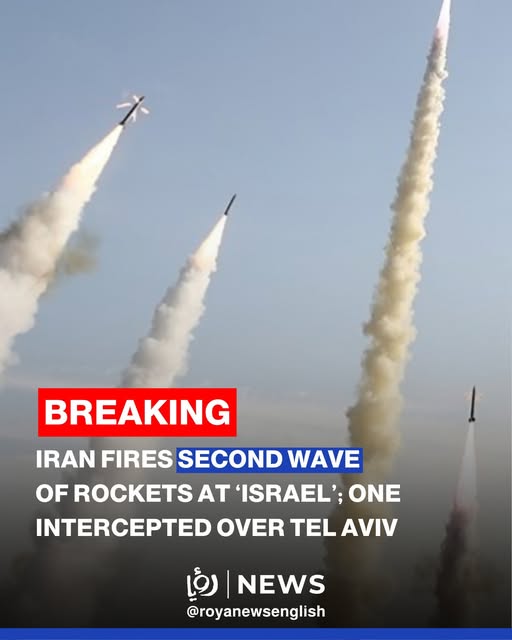
Escalating Middle East Crisis: U.S. and Israel Launch Expanded Military Operation Against Iran
Tensions in the Middle East have intensified following reports that the United States and Israel initiated a large-scale military operation targeting sites within Iran. According to statements attributed to American officials in remarks shared with Al Jazeera, the campaign is designed to systematically degrade key components of Iran’s security and military infrastructure.

Officials have framed the operation not as a symbolic show of force, but as a strategic effort intended to reduce Iran’s operational military capabilities over an extended period. While details remain limited and independent verification is ongoing, early accounts suggest this represents a significant escalation compared to previous rounds of hostilities.
This article provides a comprehensive, balanced overview of the reported operation, its objectives, the regional response, and the broader geopolitical context shaping this critical moment.
A Shift From Limited Strikes to Sustained Campaign
American officials reportedly indicated that the current operation differs substantially from prior actions, including a more limited series of strikes in mid-2025 that analysts described as calibrated and restrained. That earlier phase was widely interpreted as a deterrent measure aimed at signaling resolve while minimizing the risk of broader escalation.
In contrast, the present campaign is described as phased and potentially prolonged. Rather than a short sequence of targeted actions, the operation appears structured to unfold over multiple stages, allowing military planners to reassess and adapt based on intelligence assessments and evolving circumstances.
Defense analysts suggest that such phased strategies are designed to:
-
Target structural military capabilities rather than isolated facilities
-
Adjust operational objectives based on real-time data
-
Maintain pressure over an extended timeframe
-
Reduce adversary response capacity incrementally
If confirmed, this would mark one of the most substantial direct confrontations between the parties in recent years.
Reported Strategic Objectives
According to U.S. sources, the strikes are aimed at key elements within Iran’s security apparatus. Reported targets include:
-
Military command and control networks
-
Weapons storage and logistical facilities
-
Air defense systems
-
Security-related infrastructure
By focusing on structural components rather than symbolic locations, the operation is described as an attempt to impose longer-term constraints on Iran’s ability to coordinate military operations or project influence regionally.
Analysts note that disabling communication networks and air defense systems can significantly affect a country’s defensive posture. However, such actions also carry risks, particularly if civilian infrastructure is indirectly affected.
Developments Inside Tehran
Reports from Iran’s capital, Tehran, indicate disruptions to mobile phone services in certain areas. The country’s Mehr News Agency cited interruptions that may be linked to either precautionary measures or infrastructure impacts associated with the strikes.
Telecommunications disruptions during periods of military escalation can arise for several reasons:
-
Preventative shutdowns to protect networks
-
Cybersecurity responses
-
Collateral damage to infrastructure
-
Efforts to manage information flow
Regardless of the cause, communication instability often increases public uncertainty and complicates the dissemination of reliable updates.
In addition, Iranian authorities announced the closure of national airspace until further notice. Airspace suspensions are common during active military situations, both to safeguard civilian aviation and to allow defensive readiness. The decision reflects the seriousness of the situation and signals preparations for potential further developments.
Coordinated Action Between Washington and Jerusalem
The reported coordination between the United States and Israel highlights a longstanding strategic partnership. Israel has frequently expressed concerns about Iran’s military posture and regional activities, while Washington has emphasized broader regional security priorities.
Joint operations of this scale underscore shared security assessments and policy alignment. However, coordinated action also increases diplomatic sensitivity, as it may influence the calculations of other regional actors.
Observers note that cooperative operations often require extensive planning, intelligence-sharing, and synchronized execution. If the campaign continues in phases, coordination mechanisms are likely to remain active throughout its duration.
Regional Reactions and Security Concerns
Governments across the Middle East are closely monitoring the unfolding situation. Neighboring states face potential risks, including:
-
Spillover instability
-
Cyber operations affecting infrastructure
-
Disruption of energy transport routes
-
Increased military readiness along borders
The Persian Gulf remains particularly sensitive due to its critical role in global energy supply chains. Even limited disruptions in this region can influence oil markets, trade flows, and shipping insurance costs.
Security analysts caution that extended military operations heighten the risk of miscalculation. Retaliatory measures—whether direct or indirect—could widen the scope of the conflict.
Iran’s Position and Sovereignty Concerns
Iranian authorities have characterized the operation as a violation of national sovereignty and a serious challenge to national security. Official statements emphasize the country’s right to respond under international law.
In times of external military pressure, governments often frame events in terms of sovereignty and defense. Public messaging inside Iran appears to reflect themes of resilience and national unity.
The coming days will likely clarify whether Iran pursues direct military responses, diplomatic engagement, cyber measures, or a combination of strategies.
International Diplomatic Efforts
Global leaders are calling for restraint. Diplomatic channels remain active among European governments, Gulf states, and major international institutions.
The United Nations has historically played a role in facilitating dialogue during regional crises. While no formal mediation announcement has been made at the time of writing, behind-the-scenes discussions are widely expected.
Key diplomatic priorities include:
-
Preventing escalation into a broader regional conflict
-
Protecting civilian populations
-
Maintaining freedom of navigation in critical waterways
-
Encouraging dialogue between adversaries
The international community recognizes that prolonged instability in the Middle East can have far-reaching economic and security consequences.
Economic and Energy Market Implications
The Middle East remains central to global energy production and transportation. Heightened tensions can influence:
-
Oil and gas prices
-
Investor confidence
-
Shipping routes
-
Aviation operations
Airspace closures not only affect domestic travel but also international routes connecting Europe, Asia, and the Gulf region. Prolonged closures may lead to rerouted flights, increased operational costs, and broader logistical disruptions.
Energy markets tend to react swiftly to geopolitical risk signals. Even if supply remains uninterrupted, uncertainty alone can drive volatility.
The Broader Geopolitical Context
This latest escalation emerges against a backdrop of longstanding rivalry. For decades, tensions between the United States, Israel, and Iran have manifested through diplomatic disputes, sanctions, cyber operations, and indirect regional confrontations.
Direct large-scale military action—if sustained—represents a new phase in that dynamic. Analysts suggest the strategic objectives may include deterrence, signaling, and reshaping regional security calculations.
However, history demonstrates that military campaigns can produce unintended consequences. Regional alliances, domestic political pressures, and global power competition all influence decision-making in complex ways.
Information Gaps and Verification Challenges
As with any developing military situation, information remains fluid. Communication disruptions, restricted access to impacted sites, and competing narratives from involved governments make comprehensive verification challenging.
Independent monitoring organizations often rely on satellite imagery, open-source intelligence, and cross-referenced reports to assess damage and confirm targets. Updates may alter initial casualty or damage assessments as additional data becomes available.
Readers are encouraged to rely on reputable sources and to recognize that early reports may evolve over time.
Humanitarian Considerations
While strategic objectives dominate official discourse, humanitarian implications remain central. Military actions affecting infrastructure can disrupt access to:
-
Healthcare services
-
Clean water and electricity
-
Communication networks
-
Transportation systems
Civilian well-being is a primary concern for international observers and humanitarian organizations. Ensuring access to essential services and safeguarding non-combatants are critical priorities under international humanitarian principles.
Preparations for emergency response and aid deployment may be underway should conditions deteriorate.
Possible Scenarios Ahead
Several potential pathways could shape the trajectory of this crisis:
-
Containment Through Diplomacy
Diplomatic engagement could limit further escalation and reduce hostilities. -
Measured Retaliation
Limited counteractions might occur without expanding into broader conflict. -
Prolonged Military Campaign
Phased operations could continue, extending instability. -
Regional Spillover
Additional actors might become involved, increasing complexity.
Which scenario unfolds will depend on strategic calculations, international mediation efforts, and domestic political pressures on all sides.
A Volatile Crossroads
The Middle East once again finds itself at a pivotal moment. The scale, coordination, and projected duration of the reported operation indicate that this is more than a symbolic exchange. Strategic objectives, deterrence calculations, and national security priorities are shaping decisions in real time.
At the same time, diplomatic channels remain open, and global leaders are actively seeking ways to prevent broader escalation. The balance between military action and diplomatic restraint will determine whether this episode becomes a contained operation or a catalyst for prolonged regional instability.
As airspace remains closed and communications disruptions persist in parts of Tehran, uncertainty continues to dominate the landscape. Governments, businesses, humanitarian organizations, and civilians are closely monitoring developments.
The coming days will be critical in defining the next chapter of Middle Eastern security. Careful diplomacy, measured responses, and transparent communication will be essential in steering events away from wider confrontation and toward stability.