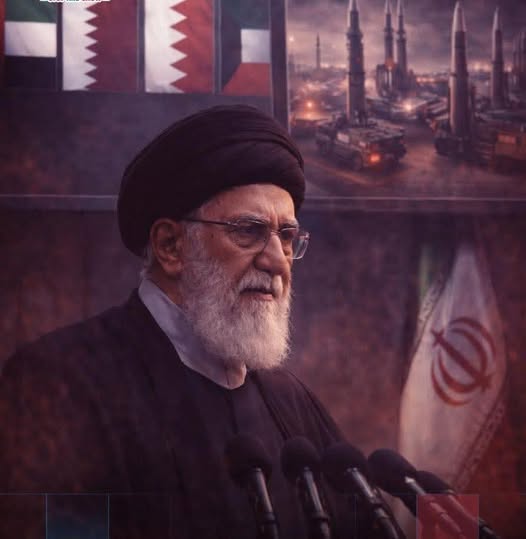
Rising Tensions in the Persian Gulf: Multiple Countries Report Security Incidents Near U.S. Military Bases
Security concerns intensified across the Persian Gulf region after reports emerged of coordinated military activity targeting United States military installations. According to regional media outlets and international news agencies, including Reuters and Al Jazeera, several Gulf nations experienced explosions, airspace closures, and heightened defense measures following what Iranian state television described as a response operation against U.S. bases.

While official confirmations remain limited and details continue to evolve, governments across the region have issued precautionary advisories urging residents to remain indoors and avoid military zones. Airspace closures and defensive intercept systems were reportedly activated in multiple countries.
The situation remains fluid, and international observers are closely monitoring developments due to the potential implications for regional and global stability.
Overview of Reported Incidents
Initial reports indicated that Iranian state television, citing military sources, announced the launch of operations targeting U.S. military bases in the Gulf region. While specific operational details have not been independently verified in full, multiple Gulf states reported security incidents within hours of the announcement.
Key developments include:
-
Explosions reported in parts of the United Arab Emirates.
-
Airspace closures in the UAE and Qatar.
-
Smoke observed near military areas in Bahrain.
-
Interception activity reported by Qatar’s air defense systems.
-
Security alerts issued in Kuwait.
Authorities in each country have urged residents to follow official guidance and avoid unnecessary travel.
United Arab Emirates: Explosions and Airspace Closure
According to reports cited by Reuters, a powerful explosion was heard in Abu Dhabi. The United Arab Emirates subsequently closed its airspace as a precautionary measure.
One location mentioned in regional reporting was Al Dhafra Air Base, a facility known to host U.S. military personnel. While officials have not released detailed assessments of damage or impact, authorities emphasized that security measures were activated promptly.
Airspace closures are a common precaution during heightened security incidents, allowing governments to minimize risks to civilian aviation while evaluating potential threats.
Bahrain: Reports of Smoke Near Naval Installations
In Manama, local observers reported smoke in the Al Jufair district, where the United States Fifth Fleet maintains a significant presence. Bahraini authorities have not publicly confirmed the cause of the smoke but have acknowledged elevated alert levels.
Bahrain has historically played a strategic role in regional maritime security, hosting naval operations that support freedom of navigation and international trade routes in the Gulf.
Officials in the country encouraged calm and advised residents to rely on verified government communications rather than unconfirmed social media reports.
Qatar: Interception Systems Activated
In Qatar, the Interior Ministry urged residents to shelter in place as a precaution. The country’s Defense Ministry stated that its defense systems successfully intercepted incoming projectiles targeting the Al Udeid Air Base, a key U.S. military installation.
The Patriot missile defense system was reportedly activated during the incident. Officials described the defensive response as effective and confirmed that the country remains on high alert.
Qatar also temporarily closed its airspace, citing security concerns and the need to ensure civilian safety while assessments continue.
Kuwait: Security Advisories Issued
Authorities in Kuwait reported hearing powerful explosions and urged residents to remain indoors. Government agencies issued public advisories encouraging citizens to avoid non-essential travel and stay away from military facilities.
Kuwait’s strategic location along the northern Gulf has historically made it an important logistical hub for international military cooperation. Officials have not yet provided a detailed public assessment of the reported incidents.
Regional Security Landscape
The Persian Gulf remains one of the world’s most strategically significant regions. It serves as a critical corridor for global energy supplies and maritime trade. Any escalation involving multiple Gulf states and U.S. military facilities has the potential to affect international markets and diplomatic relations.
Over the past decades, tensions between Iran and the United States have fluctuated between negotiation and confrontation. Regional actors, including Israel and Gulf Cooperation Council member states, closely monitor developments due to shared security interests.
Analysts caution that rapid information flow during such events can create confusion. Governments typically conduct internal assessments before releasing detailed public statements.
Airspace Closures and Civil Aviation Impact
One immediate consequence of the reported incidents has been the temporary closure of airspace in multiple countries. Aviation authorities often take such steps to prevent potential risks to commercial aircraft during security events.
Airlines may reroute flights, delay departures, or suspend operations until airspace restrictions are lifted. These precautionary measures prioritize passenger safety and operational clarity.
Global aviation monitoring agencies continue to track updates from Gulf aviation authorities.
Defensive Systems and Military Preparedness
The activation of defensive systems such as the Patriot missile system underscores the level of preparedness maintained by Gulf nations hosting international military facilities.
Modern air defense systems are designed to detect and intercept aerial threats, including missiles and drones. While officials have indicated successful interceptions in certain locations, independent verification of all operational details remains ongoing.
Defense ministries across the region have emphasized readiness and coordination with allied partners.
International Reaction and Diplomatic Considerations
International organizations and foreign ministries worldwide are monitoring the situation closely. In periods of heightened tension, diplomatic channels often remain active behind the scenes.
The United Nations frequently serves as a forum for dialogue during regional crises. Calls for restraint and de-escalation are common in such scenarios.
Global powers with economic and strategic interests in the Gulf are likely to encourage stability and conflict prevention. The region’s importance to energy markets, shipping lanes, and international security underscores the need for careful diplomatic management.
The Role of Media and Information Verification
During rapidly evolving events, accurate reporting is essential. International outlets such as Reuters and Al Jazeera have provided preliminary updates while emphasizing that investigations are ongoing.
Authorities in the affected countries have advised residents to rely on official government announcements. Social media platforms often amplify unverified footage and commentary, which can complicate public understanding.
Media organizations continue to seek confirmation from multiple sources before publishing detailed assessments.
Economic and Market Implications
Energy markets tend to respond swiftly to developments in the Gulf. Even precautionary measures, such as airspace closures or temporary port restrictions, can influence oil and gas price expectations.
Financial analysts are closely watching:
-
Crude oil price fluctuations.
-
Shipping insurance rates.
-
Currency stability in Gulf economies.
-
Stock market reactions in energy sectors.
While markets often react to initial reports, longer-term impacts depend on whether tensions escalate or stabilize.
Strategic Calculations Moving Forward
Statements from Iranian media suggest that the actions were framed as a response to perceived aggression. However, without full official confirmation from all parties, analysts emphasize caution in drawing conclusions.
Military and diplomatic leaders in the region face complex strategic decisions. Responses must balance deterrence, domestic expectations, and international repercussions.
Historically, periods of heightened rhetoric and isolated incidents have sometimes been followed by diplomatic engagement aimed at preventing broader confrontation.
Public Safety Measures
Governments across the Gulf region have prioritized civilian safety. Advisories urging residents to remain indoors, avoid military areas, and follow emergency updates are standard procedures during security alerts.
Emergency services remain on standby, and civil defense agencies have activated monitoring systems to assess potential risks.
Officials have emphasized that public cooperation with safety instructions is essential to maintaining order and minimizing confusion.
What Happens Next?
As of now, the situation remains dynamic. Governments are conducting internal assessments, evaluating defensive responses, and coordinating with international partners.
Potential next steps could include:
-
Official briefings with verified damage assessments.
-
Diplomatic outreach between involved nations.
-
Regional security consultations.
-
International mediation efforts.
Observers note that the coming days will be critical in determining whether the incidents represent an isolated escalation or the beginning of a broader confrontation.
Conclusion: A Region on Alert
The reported incidents near U.S. military bases in the Persian Gulf have placed multiple countries on high alert. From airspace closures in the United Arab Emirates and Qatar to security advisories in Bahrain and Kuwait, the response has been swift and precautionary.
While Iranian state media described the actions as a response operation, comprehensive confirmation from all sides is still pending. International observers and organizations continue to call for restraint and dialogue.
In a region central to global trade and energy supply, stability remains a shared priority. As governments assess developments and communicate with citizens, the emphasis remains on vigilance, safety, and diplomatic engagement.
Further updates are expected as authorities provide additional verified information in the hours and days ahead.