Reports of Missile Activity Near U.S. Bases in the Persian Gulf: Verification Ongoing
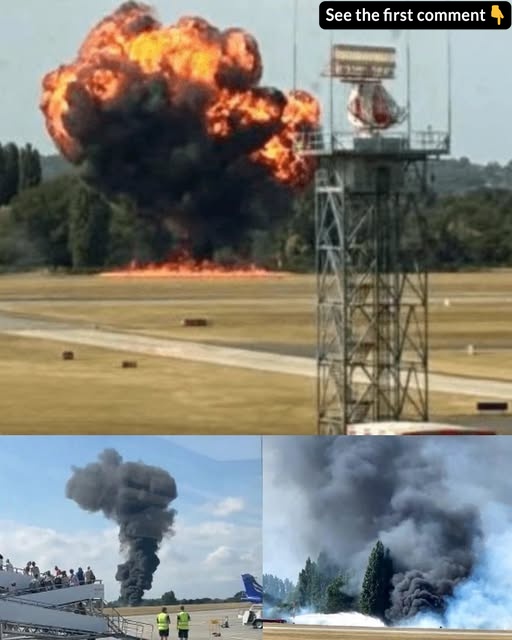
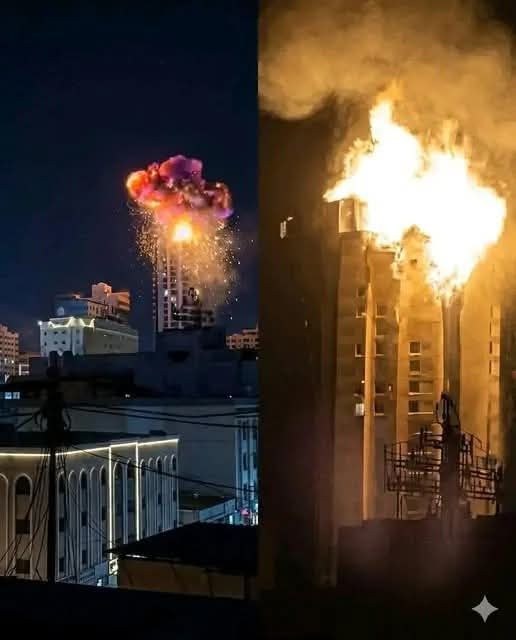
Recent reports have circulated online claiming that multiple countries have launched coordinated missile strikes targeting U.S. military installations in the Persian Gulf. While such reports are alarming, it is critical to note that, at this stage, verified confirmation from official sources is still pending. In breaking events involving potential military activity, the speed of reporting often exceeds the speed of verification, making caution paramount.

Allegations point to potential impacts on key installations, including:
-
Al Dhafra Air Base in the United Arab Emirates
-
Al Udeid Air Base in Qatar
-
Naval Support Activity Bahrain, which hosts the U.S. Fifth Fleet headquarters
These facilities are among the most strategically significant U.S. military sites in the region. Reports suggest possible ballistic missile activity, airspace disruptions, and heightened security alerts, though none of these claims have been substantiated by government statements as of this writing.
The Importance of Verification
In scenarios involving potential missile launches, verification is essential before drawing conclusions. Military escalations of this magnitude typically trigger immediate notifications from multiple sources, including:
-
Official statements from the U.S. Department of Defense
-
Confirmations from Gulf state defense ministries
-
Airspace notices, such as NOTAMs (Notices to Airmen), reflecting verified closures
-
Satellite and independent monitoring verification
Past incidents in the region highlight the need for careful scrutiny. Temporary alerts, missile interceptions, and heightened defensive postures have occurred during times of tension without resulting in large-scale attacks. While reports of missile launches can be alarming, they often emerge before full verification is available. Early information may be incomplete, misinterpreted, or amplified through unofficial channels, particularly social media.
Background on U.S. Military Presence in the Persian Gulf
The U.S. maintains a longstanding military presence across the Persian Gulf, including bases in the UAE, Qatar, and Bahrain. These installations serve multiple strategic purposes:
-
Regional stability and rapid response: The U.S. Fifth Fleet, headquartered in Bahrain, oversees naval operations in the Gulf and Indian Ocean.
-
Allied support: Bases like Al Dhafra and Al Udeid provide logistical support for coalition partners and regional defense operations.
-
Missile defense systems: Several bases are equipped with air and missile defense technologies, including Patriot missile systems, designed to intercept short- and medium-range threats.
These bases have historically been focal points during periods of heightened tension with Iran and other regional actors. The strategic positioning allows the U.S. to monitor maritime traffic, support allied operations, and respond quickly to potential crises.
Potential Implications of Missile Activity
Even unverified reports of missile activity in the Gulf region are treated seriously due to the strategic significance of U.S. and allied facilities. Hypothetical implications of confirmed missile strikes include:
-
Immediate military alert: Air defense systems would be fully activated, and personnel would be placed on heightened readiness.
-
Airspace restrictions: NOTAMs would restrict civilian aviation in affected areas.
-
International diplomatic response: Coordinated strikes across multiple countries would likely prompt urgent consultations among the U.S., Gulf states, NATO allies, and the United Nations.
-
Regional economic impact: Disruptions in the Gulf can affect global oil supply, shipping lanes, and international markets.
However, it is critical to emphasize that, as of now, these scenarios remain speculative, and no official confirmation of missile launches or base attacks has been reported.
How to Stay Informed During a Developing Situation
For those monitoring this developing story, it is essential to rely on official and credible sources:
-
Government and defense ministry statements: The U.S. Department of Defense and Gulf state defense ministries provide verified updates.
-
Aviation authorities: Agencies such as the UAE GCAA, Qatar CAA, and Bahrain Civil Aviation Affairs issue official notices regarding airspace closures or restrictions.
-
International news agencies: Reuters, Associated Press, and AFP provide verified reporting from on-the-ground sources.
Avoid relying on single-source or social media reports, which may amplify rumors or unverified claims.
Guidance for Residents in the Gulf Region
Residents and visitors in the Gulf are advised to follow standard emergency protocols during security alerts:
-
Follow instructions from national emergency authorities: Official guidance should always take precedence.
-
Avoid restricted military zones: Areas surrounding bases or installations may be closed to civilian access.
-
Monitor verified government channels: Official websites, social media accounts, and press releases provide accurate information.
Remaining informed and following guidance can reduce risk during periods of heightened military tension.
Understanding Regional Tensions
The Persian Gulf has been a focal point for geopolitical tension for decades. Factors contributing to periodic alerts or confrontations include:
-
Historical conflicts between Iran and Gulf states: Including disputes over maritime boundaries, nuclear development, and missile capabilities.
-
Strategic military positioning: The U.S. and its allies maintain bases to support regional stability and rapid response to threats.
-
Economic importance: The Gulf is a critical region for global energy exports, making any escalation closely watched worldwide.
Even in times of perceived crisis, escalation to actual conflict is rare. Most alerts reflect strategic posturing or temporary defensive measures rather than sustained attacks.
The Role of Air Defense Systems
Several U.S. and allied installations in the Gulf are equipped with advanced air and missile defense systems:
-
Patriot missile batteries: Designed to intercept incoming missiles, including short- and medium-range threats.
-
THAAD and Aegis systems: Provide layered defense and monitoring of regional airspace.
-
Early warning networks: Satellites and radar installations track missile launches and provide early alerts to bases and regional authorities.
These defenses are routinely tested and maintained, ensuring rapid response in the event of a real threat. Historical incidents show that missile alerts often result in heightened monitoring and minor defensive action rather than direct strikes.
Potential Economic and Civilian Impacts
Reports of military activity in the Gulf often trigger concern over civilian and economic consequences:
-
Airline disruptions: Commercial flights may be rerouted or delayed pending NOTAMs.
-
Maritime traffic: Shipping lanes could be temporarily restricted for security reasons.
-
Market volatility: Oil and energy markets respond quickly to potential instability in the Gulf.
Preparedness protocols are in place for both civilian and commercial operations, mitigating risk even during periods of uncertainty.
The Importance of Measured Reporting
Breaking news events, especially in volatile regions, are prone to misinformation:
-
Social media platforms can amplify unverified reports.
-
Eyewitness accounts may be inaccurate or incomplete.
-
Initial reports often lack context about defensive measures or alerts that do not involve actual strikes.
Responsible journalism emphasizes verification, multiple sources, and cautious language until facts are established. For readers, this approach reduces panic and ensures accurate understanding.
Historical Precedents
The Gulf region has experienced periods of heightened tension in the past:
-
2003 Iraq War and related alerts
-
2019–2020 tensions with Iran over drone strikes and maritime incidents
-
Missile tests and interception exercises in multiple Gulf states
In many cases, initial alarms did not result in direct attacks. Preparedness, diplomacy, and military defense measures often prevented escalation. Understanding these precedents helps contextualize current unverified reports.
Key Takeaways
-
No confirmed missile strikes: As of now, no government has verified attacks on U.S. bases in the Gulf.
-
Official sources are critical: Do not rely on social media rumors or unverified reports.
-
Defensive readiness is standard: U.S. and allied forces maintain active monitoring and defense capabilities in the region.
-
Residents should follow official guidance: Safety protocols and verified updates are essential for public security.
-
Developing situation: Situations like this evolve rapidly, and updates may be issued throughout the day.
Conclusion
While reports of missile activity near U.S. military bases in the Persian Gulf are circulating, the situation remains unconfirmed and developing. Initial reports should be treated with caution until multiple, independent, and verified sources provide confirmation. Historically, similar alerts have often reflected defensive readiness rather than direct conflict.
For now, the best approach is vigilance, reliance on official statements, and avoidance of speculation. Maintaining situational awareness through credible sources will ensure that information is accurate and actionable.
The Persian Gulf will continue to be a region of strategic importance, and the U.S. military presence ensures readiness to respond to threats. By focusing on verified information, residents, travelers, and international observers can navigate this period with clarity and safety.