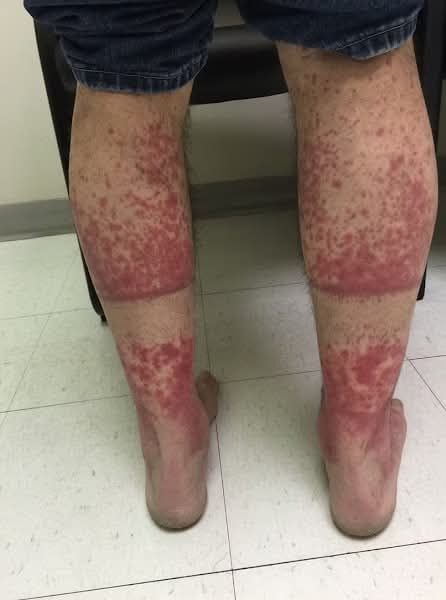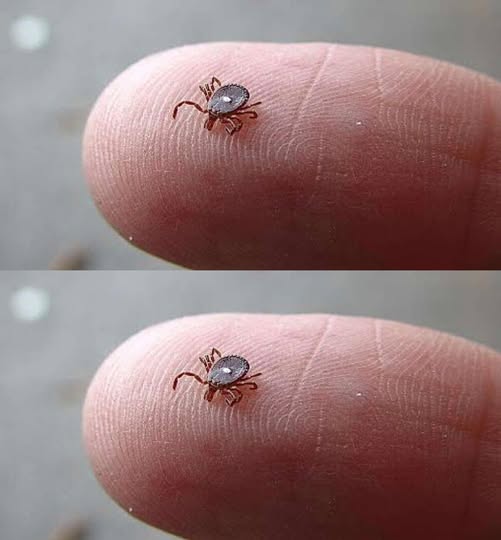
A Closer Look at the Lone Star Tick’s Behavior
The Amblyomma americanum is often described as more “aggressive” than some other tick species — but that doesn’t mean it’s attacking in the way people imagine.

Unlike ticks that simply cling to tall grass and wait for a host to brush past, lone star ticks actively move toward carbon dioxide and body heat. That means if you’re resting on the ground, gardening, hiking, or even sitting on a log, they may crawl several feet to reach you.
This behavior explains why people sometimes find them on unexpected areas of the body — scalp, back, or behind the knees — even when they didn’t walk through tall grass.
Understanding this behavior isn’t meant to alarm you. It simply reinforces why post-outdoor tick checks are so important.
Where Lone Star Ticks Are Most Common
Historically, lone star ticks were concentrated in the southeastern United States. Today, their range has expanded into parts of:
-
The Midwest
-
The Mid-Atlantic
-
The Northeast
Warmer winters and growing deer populations have contributed to this expansion.
If you live in or travel through wooded, grassy, or brush-heavy environments in these regions, routine tick awareness should be part of your outdoor habits — just like sunscreen or hydration.
You don’t need to avoid nature.
You just need a system.
Building a Simple Tick-Check Routine
The most effective prevention strategy is consistency.
After spending time outdoors:
-
Check your clothing before going inside.
-
Shower within two hours if possible.
-
Perform a full-body inspection using a mirror.
-
Pay close attention to:
-
Hairline and scalp
-
Behind ears
-
Underarms
-
Waistband area
-
Behind knees
-
Between toes
-
For children, make it part of a calm routine rather than a dramatic inspection. A quick “tick check” after outdoor play can become as normal as washing hands before dinner.
Routine reduces anxiety.
Understanding Disease Risk Without Catastrophizing
It’s easy to spiral into worst-case scenarios after discovering a tick.
Let’s ground this in perspective:
-
Not all lone star ticks carry disease.
-
Not all bites result in transmission.
-
Early detection improves outcomes significantly.
Conditions like ehrlichiosis and STARI are treatable, especially when addressed promptly. Alpha-gal syndrome, while concerning, does not occur in the majority of tick bite cases.
The purpose of monitoring isn’t to expect illness.
It’s to catch early signs if they appear.
Most people who remove a tick correctly and monitor for symptoms never experience complications.
The 30-Day Awareness Window
Medical professionals often recommend paying attention to your health for about 30 days after a tick bite.
This does not mean obsessing.
It means being aware of:
-
Unexplained fever
-
Persistent fatigue
-
New rashes
-
Muscle or joint aches
-
Unusual allergic reactions
If nothing develops within that window, the likelihood of tick-related illness drops significantly.
Write down the date of the bite.
Then move forward normally — just with awareness.
Tick Bites and Children: Extra Calm Is Key
When a child has a tick attached, the emotional response can be stronger than the medical concern.
Children often mirror your tone.
Instead of saying, “Oh no, don’t move!” try:
“Hold still for a second — I’m going to take care of this.”
Keep your voice steady.
Remove the tick properly.
Clean the area.
Then return to normal activity.
The calmer the experience, the less likely a child will develop anxiety around outdoor play.
Nature should feel empowering — not frightening.
What If You’re Unsure It’s a Lone Star Tick?
If the tick is small and difficult to identify, you can:
-
Save it in alcohol.
-
Contact your local health department.
-
Use state university extension services for identification.
-
Show it to your healthcare provider if symptoms develop.
Correct identification helps determine risk, but it does not change the immediate removal steps.
All ticks should be removed the same careful way.
Why Prevention Is Better Than Reaction
While knowing how to remove a tick is crucial, preventing attachment is even better.
Simple strategies make a measurable difference:
-
Stay centered on trails when hiking.
-
Avoid sitting directly on leaf litter.
-
Use tick repellent according to label directions.
-
Wear closed-toe shoes in brush-heavy areas.
-
Keep pets on tick prevention prescribed by a veterinarian.
If you live in a high-tick region, consider seasonal yard maintenance as part of your routine home care — similar to gutter cleaning or mosquito control.
Small habits add up.
The Emotional Aftermath: When Everything Feels Like a Tick
After discovering a tick, many people experience what could be called “phantom crawling.”
Every tiny itch feels suspicious.
Every freckle demands inspection.
This heightened awareness usually fades within a few days.
It’s simply your nervous system recalibrating.
If anxiety lingers beyond reason — checking constantly, avoiding outdoor activity entirely — remind yourself:
You handled it correctly.
You removed it safely.
You are monitoring appropriately.
Preparedness replaces panic.
The Balanced Perspective
Ticks are part of many ecosystems. They’ve existed for millions of years. Outdoor exposure carries some risk — but also tremendous benefits:
-
Physical activity
-
Mental clarity
-
Family bonding
-
Time in nature
The goal isn’t to eliminate outdoor experiences.
It’s to approach them intelligently.
With knowledge, proper removal techniques, and preventive habits, tick encounters become manageable events rather than crises.
Final Reassurance
If you spot a lone star tick:
You are not helpless.
You are not doomed.
You are not already sick.
You are informed.
Remove it properly.
Clean the area.
Monitor calmly.
Adjust prevention strategies moving forward.
Most tick bites resolve without complications. The key difference between panic and confidence is understanding what to do next.
And now you do.
Tick Awareness in Pets: A Crucial Step
Pets, especially dogs and outdoor cats, are frequent carriers of ticks into the home. A dog romping through tall grass can pick up multiple ticks without any visible signs. Once inside, ticks may drop off and attach to humans or other pets.
Regular pet checks are essential:
-
Examine ears, collar areas, and under legs.
-
Check between toes and along the tail base.
-
Look under fur for small dark specks or engorged ticks.
In addition to physical inspections, veterinarians recommend tick prevention products. These can include oral medications, topical treatments, and collars designed to repel or kill ticks. Discuss the safest and most effective option for your pet with a veterinarian.
Remember: even with prevention, no method is foolproof. The combination of preventive products and routine checks is the most reliable way to protect both pets and family members.
Clothing and Outdoor Strategies
One of the most effective ways to avoid tick bites is proper outdoor attire. Light-colored clothing makes it easier to spot ticks before they attach. Long sleeves, long pants tucked into socks, and closed-toe shoes reduce the skin exposed to ticks.
Treating clothing with permethrin is another excellent protective measure. Permethrin-treated fabrics can repel ticks for several washes, reducing the risk of bites. Always follow label directions carefully, and never apply permethrin directly to skin.
While these precautions are practical, they should not discourage outdoor activity. The goal is to enjoy nature safely, not avoid it entirely. Tick prevention is about strategy, not fear.
Yard and Garden Maintenance
Ticks thrive in shaded, moist areas with tall grass, leaf litter, or brush piles. Simple landscaping adjustments can make your yard less inviting:
-
Keep grass trimmed short and edges neat.
-
Remove leaf piles, dead branches, and brush.
-
Place woodpiles away from active outdoor areas.
-
Consider creating a gravel or mulch barrier between wooded areas and play zones.
These measures do not eliminate ticks entirely but significantly reduce encounters. Encouraging children and pets to stay in maintained areas lowers exposure risk while allowing outdoor enjoyment.
Tick Checks After Outdoor Activity
A quick, systematic approach to post-outdoor tick checks is key. A mirror can help inspect hard-to-see areas, and routine checks make identification faster and less stressful. For children, incorporate checks into daily routines, such as after school or before bedtime.
For adults, a full-body inspection should include:
-
Scalp and hairline
-
Behind the ears
-
Underarms
-
Waistband and groin area
-
Behind knees
-
Between toes
Consistency matters more than intensity. A calm, methodical approach prevents missed ticks while avoiding unnecessary anxiety.
Managing Anxiety After a Tick Bite
It is common to experience heightened worry after discovering a tick. Even after proper removal, people often obsessively check bites, worry about disease transmission, or avoid outdoor activities.
This anxiety is understandable but can be managed:
-
Track the bite and set reminders to check for symptoms over 30 days.
-
Engage in routine outdoor activity with preventive measures to regain confidence.
-
Keep perspective: most lone star tick bites do not result in illness when promptly removed.
Knowledge is the antidote to fear. Following a plan—inspection, removal, monitoring—empowers you to enjoy outdoor life without being paralyzed by anxiety.
Recognizing Symptoms Early
After a lone star tick bite, be vigilant for the following signs:
-
Redness or expanding rash near the bite site
-
Fever or chills
-
Muscle or joint pain
-
Headache or fatigue
-
Unusual allergic reactions, especially after consuming red meat (possible alpha-gal syndrome)
Keep a written record of the bite date, location, and any symptoms. If any symptoms arise, contact your healthcare provider promptly. Early recognition and treatment dramatically reduce the risk of complications.
Special Considerations for Children and Vulnerable Adults
Children, older adults, and immunocompromised individuals may require extra attention. Their skin can be thinner, immune response less robust, and tick bites harder to notice.
For children:
-
Make tick checks routine but gentle.
-
Explain the process calmly to avoid fear.
-
Observe for unusual fatigue, fever, or rashes after outdoor play.
For older adults or immunocompromised individuals:
-
Consider additional protective measures like permethrin-treated clothing.
-
Avoid areas with high tick density, such as dense brush or leaf piles.
-
Ensure close monitoring after any bite.
By adjusting routines based on vulnerability, you can prevent tick-related complications while remaining active outdoors.
Alpha-Gal Syndrome: Understanding the Connection
Alpha-gal syndrome is a delayed allergic reaction to red meat triggered by a lone star tick bite. While rare, it’s important to recognize early signs:
-
Hives or itching
-
Stomach pain
-
Nausea or vomiting
-
Severe reactions, such as difficulty breathing
Symptoms typically appear 3–6 hours after eating red meat. If suspected, seek medical evaluation immediately. Doctors may recommend dietary adjustments and allergy testing. Awareness of this condition helps prevent repeated allergic episodes.
When to Seek Professional Care
Prompt medical attention is warranted if:
-
A tick bite shows signs of infection (red streaks, swelling, pus)
-
Fever, severe headache, or fatigue develops
-
Rash expands or appears elsewhere on the body
-
You notice unusual allergic reactions
In most cases, early intervention ensures effective treatment and peace of mind.
The Big Picture: Coexisting With Ticks
Ticks are a natural part of many ecosystems. Avoiding them entirely isn’t realistic, but managing exposure is possible with informed habits:
-
Wear protective clothing outdoors
-
Perform systematic tick checks
-
Remove ticks properly and safely
-
Monitor symptoms for 30 days
-
Maintain yards and pet areas
-
Use repellents and preventive products when appropriate
By approaching ticks with knowledge, not fear, you can safely enjoy nature, protect your family, and reduce risk without anxiety.
Empowerment Through Knowledge
Discovering a lone star tick doesn’t have to be terrifying. With the right tools, techniques, and perspective:
-
You can remove ticks effectively
-
You can monitor for disease with confidence
-
You can prevent future encounters
-
You can continue outdoor activities safely
Preparedness replaces panic, and understanding replaces fear. Nature is full of surprises, but with knowledge, you remain in control.
Even if a lone star tick bites, your careful response ensures that this encounter is a minor moment — not a major health event.
Knowledge, calm, and consistent preventive habits are your best defense. With these strategies, you can reclaim confidence outdoors and enjoy nature safely.