Urgent Health Alert! Massive Recall of 60?
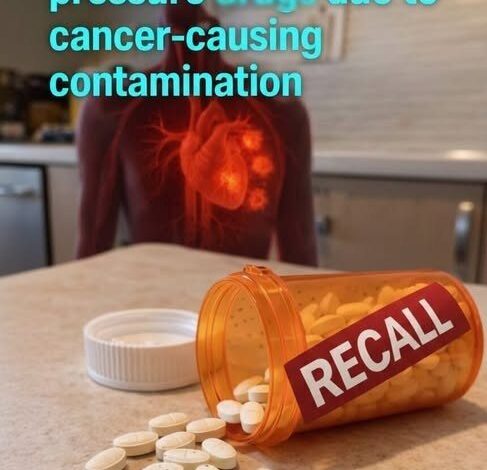
In a significant move to protect public health, the Food and Drug Administration (FDA) has initiated a massive, nationwide recall of over 600,000 bottles of ramipril, a cornerstone medication in the management of cardiovascular health. This urgent health alert, issued in early March 2026, stems from critical concerns regarding the origin and quality of the drug’s active ingredients. Investigations revealed that key components of the medication were sourced from a manufacturing facility in India that had neither been approved nor inspected by federal regulators. This breach in the global pharmaceutical supply chain has sent shockwaves through the medical community, as ramipril is an essential treatment for millions of Americans living with hypertension and other heart-related conditions.

Ramipril belongs to a class of drugs known as Angiotensin-Converting Enzyme (ACE) inhibitors. These medications play a vital role in modern cardiology by relaxing the blood vessels, which lowers blood pressure and improves the heart’s ability to pump blood throughout the body. Beyond managing hypertension, ramipril is frequently prescribed to reduce the risk of heart attacks, strokes, and the progression of kidney damage in diabetic patients. With more than 2.4 million prescriptions filled annually in the United States, the scale of this recall is substantial, affecting a broad demographic of patients who rely on the unflashy but relentless efficacy of this medication to maintain their daily well-being.
The recall specifically targets products manufactured by Lupin Pharmaceuticals, a major player in the generic drug market. The affected batches include ramipril capsules in the three primary strengths: 2.5 mg, 5 mg, and 10 mg. These were distributed in various bottle sizes, including 90, 100, and 500-count containers, making them a staple in both retail pharmacies and large hospital systems. Patients are urged to check their medication labels for expiration dates extending through July 2026. The FDA has categorized this action as a precautionary measure, emphasizing that while no adverse health events or “personal horror stories” have been reported to date, the use of ingredients from uninspected facilities represents an unacceptable risk to the rigorous safety and quality standards that the American public expects.
The challenge of uninspected facilities in the global supply chain highlights a troubling vulnerability in pharmaceutical production. When a facility bypasses the FDA’s inspection protocols, there is no guarantee that the environment is sterile, that the chemical purity of the ingredients is consistent, or that the manufacturing processes are free from cross-contamination. In this case, the “unfiltered truth” is that using components from an unapproved source compromises the integrity of the entire finished product. For healthcare providers, this recall is a frustrating reminder of the complexities involved in maintaining a safe and reliable supply of generic medications in an increasingly interconnected world.
For the hundreds of thousands of patients currently possessing these bottles, the primary directive from medical experts is one of caution: do not stop taking the medication abruptly. Cardiovascular health is a delicate balance, and a sudden cessation of an ACE inhibitor can lead to “rebound hypertension”—a dangerous and rapid spike in blood pressure that increases the immediate risk of a cardiac event. Instead, patients should conduct a thorough review of their medicine cabinets. If a bottle matches the recalled criteria, the next step is to contact a pharmacist or primary care physician immediately to arrange for a replacement from a safe, verified batch.
Fortunately, the pharmaceutical market offers several practical solutions for those affected by the Lupin recall. Doctors can easily pivot patients to alternative ACE inhibitors that remain unaffected by this specific supply chain issue. Common alternatives include lisinopril, enalapril, or benazepril, all of which function through similar biological pathways to achieve blood pressure control. Pharmacies across the country are already preparing for a surge in requests for these alternatives, ensuring that the “steadiness” of patient care is maintained despite the logistical hurdle presented by the recall.
This event has also prompted a wider discussion about the transparency of drug manufacturing. Many patients are surprised to learn that their “American” medications often rely on ingredients sourced from around the globe. This recall serves as a powerful reminder of the importance of the FDA’s oversight role in conducting international inspections. Without these “boots on the ground” in manufacturing hubs like India and China, the safety of the U.S. drug supply would be significantly diminished. Advocates for drug safety are calling for even stricter reporting requirements and more frequent audits of international facilities to prevent unapproved ingredients from entering the market in the first place.
In the living rooms and clinics across the nation, the focus remains on education and vigilance. Patients are being encouraged to sign up for the FDA’s MedWatch program, which provides real-time updates on medication safety and allows individuals to report any unusual symptoms or side effects directly to federal investigators. This level of engagement is a critical component of the national safety net, ensuring that any potential patterns of illness are identified long before they become a widespread crisis. For many, the recall is a jarring shift in their routine, but it is a necessary intervention to uphold the high standard of care that preserves the health of “everyday families.”
As the cleanup of the supply chain continues and the recalled bottles are removed from pharmacy shelves, the medical community is reflecting on the lessons learned from this “urgent health alert.” The speed with which the contamination risk was identified and the recall was issued demonstrates the effectiveness of current monitoring systems, even as it exposes the ongoing threats posed by non-compliant manufacturers. The goal moving forward is to strengthen the “bridge” between international production and domestic safety, ensuring that every capsule and tablet meets the “enoughness” of quality required for patient trust.
The future of pharmaceutical safety in 2026 and beyond will likely involve increased automation in tracking and more rigorous chemical fingerprinting of raw materials. By using technology to verify the origin of every ingredient, the industry hopes to eliminate the “mysterious” gaps in documentation that lead to recalls of this magnitude. Until then, the partnership between the FDA, healthcare providers, and informed patients remains the most effective defense against the “shockwaves” of contaminated medicine.
While the loss of over 600,000 bottles is a significant logistical and financial blow to the manufacturer, the preservation of public health remains the non-negotiable priority. For the 2.4 million Americans who rely on ramipril, the message is clear: check your labels, consult your professionals, and stay informed. The pursuit of health and safety is a continuous process of refinement, and this recall—though disruptive—is a vital part of that commitment. As we weather this temporary interlude in the availability of certain batches, the resilience of the healthcare system ensures that patients will continue to receive the life-saving support they need without compromise.