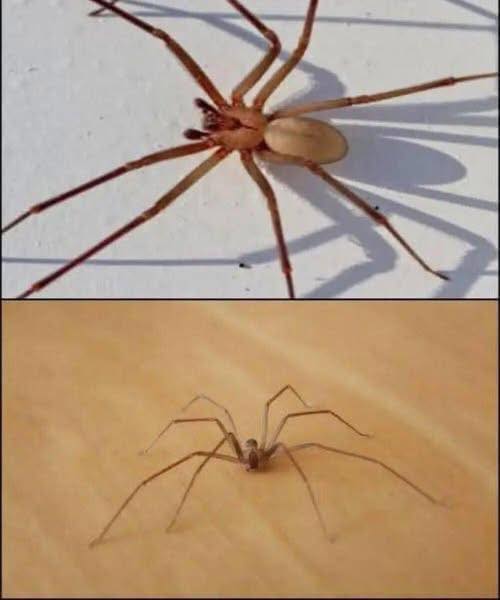
Understanding the Brown Recluse Spider: Identification, Risks, and Prevention
Spiders are among the most misunderstood creatures in the natural world. While most species are harmless to humans and even beneficial for controlling insects, a small number have venom that can cause medical concerns if a bite occurs. One spider that frequently attracts attention is the Brown Recluse Spider. Known for its shy nature and distinctive appearance, this arachnid has earned a reputation for caution due to the potential effects of its bite.

Despite the attention it receives, encounters with this spider are relatively uncommon, and bites are rare. Understanding how to identify the brown recluse, where it typically lives, and what precautions can help reduce the risk of contact can make a significant difference in promoting safety and awareness. By learning about this species in a balanced and fact-based way, individuals can replace fear and misconceptions with practical knowledge.
This article provides a detailed overview of the brown recluse spider, including its characteristics, habitat, behavior, possible health effects of bites, and strategies to prevent encounters in homes and other environments.
Introduction to the Brown Recluse Spider
The Brown Recluse Spider is a small, light-to-medium brown spider native primarily to parts of North America. It belongs to the genus Loxosceles, a group of spiders known for their reclusive behavior and preference for undisturbed environments.
This species has become widely recognized because of the potential medical effects associated with its venom. However, it is important to emphasize that the spider is not aggressive and typically avoids human contact whenever possible. Bites usually occur only when the spider becomes trapped against the skin, such as inside clothing, bedding, or shoes.
Like many spiders, the brown recluse plays an ecological role by feeding on insects and other small arthropods. In natural environments, it helps maintain balance by controlling pest populations.
Physical Characteristics and Identification
One of the reasons the brown recluse receives attention is its distinctive appearance. Proper identification is essential because many harmless spiders are often mistaken for this species.
Key Features
The Brown Recluse Spider has several physical characteristics that distinguish it from other spiders:
1. Violin-Shaped Marking
The most recognizable feature is a darker marking on the upper part of the body that resembles the shape of a violin. Because of this pattern, the spider is sometimes referred to as the “violin spider.”
2. Body Size
Adult brown recluse spiders are relatively small. Their body typically measures between 8 and 12 millimeters in length, though their legs can make them appear slightly larger.
3. Uniform Color
Unlike many spiders with stripes or spots, the brown recluse usually has a fairly uniform light-to-medium brown coloration.
4. Six Eyes
Most spiders have eight eyes, but the brown recluse has six eyes arranged in pairs. This is one of the most reliable identification features used by experts.
Because other spider species may have similar colors or shapes, accurate identification sometimes requires close examination by trained professionals such as pest control specialists or entomologists.
Natural Habitat and Geographic Distribution
The Brown Recluse Spider is most commonly found in the central and southern regions of the United States. States within its primary range include areas of the Midwest and parts of the south-central United States.
Although reports occasionally surface in other regions, verified populations outside its natural distribution are relatively rare.
Typical Living Environments
Brown recluse spiders prefer dry, quiet, and undisturbed spaces. In the wild, they may live in locations such as:
-
Under rocks
-
Inside wood piles
-
Beneath tree bark
-
In natural debris
When living near human structures, they may seek shelter in areas that offer similar conditions, including:
-
Attics
-
Basements
-
Storage boxes
-
Closets
-
Behind furniture
These locations provide darkness and minimal disturbance, which suits the spider’s naturally reclusive behavior.
Behavior and Lifestyle
The name “recluse” accurately describes the typical behavior of this species. The Brown Recluse Spider tends to avoid open areas and prefers to remain hidden.
Solitary Nature
Unlike some spider species that live in groups, brown recluse spiders are usually solitary. They spend much of their time in hiding and emerge mainly at night to hunt.
Hunting Habits
Rather than building large webs to trap prey, this spider often hunts actively. Its diet typically includes:
-
Small insects
-
Other arthropods
-
Occasionally other spiders
By consuming insects, brown recluse spiders contribute to natural pest control in many environments.
Why Bites Occasionally Occur
Although the spider is not aggressive, bites may occur if the animal becomes trapped or feels threatened.
Common situations that can lead to accidental contact include:
-
Putting on clothing where a spider is hiding
-
Reaching into storage boxes or dark spaces
-
Rolling onto a spider in bedding
In these situations, the spider may bite defensively.
It is important to remember that the Brown Recluse Spider generally prefers escape over confrontation. When given the opportunity, it will usually move away rather than bite.
Understanding the Venom
The venom of the brown recluse contains enzymes that can affect skin tissue. In some cases, a bite may cause irritation and localized symptoms.
However, many reported bites result in only mild reactions or heal without serious complications. Medical outcomes can vary depending on individual sensitivity, the amount of venom delivered, and the location of the bite.
Possible Symptoms
People who experience a bite may notice:
-
Mild discomfort or redness
-
Swelling around the bite area
-
Skin irritation
In certain cases, the reaction may become more noticeable over time. Because symptoms can vary widely, medical professionals often recommend monitoring the area and seeking evaluation if concerns arise.
It is also important to note that many skin conditions are mistakenly attributed to spider bites, even when a spider was never present.
When to Seek Medical Advice
While most spider bites do not cause serious health issues, it is advisable to consult a healthcare professional if:
-
Symptoms continue to worsen
-
Significant swelling develops
-
Signs of infection appear
-
The individual feels unwell after the bite
Medical professionals can provide appropriate treatment recommendations and determine whether additional care is needed.
Avoid attempting self-diagnosis, as similar symptoms can be caused by other conditions such as insect bites or skin infections.
Preventing Encounters in the Home
Reducing the likelihood of encountering the Brown Recluse Spider often involves simple household practices.
1. Reduce Clutter
Storage areas filled with boxes or unused items can create ideal hiding spots. Keeping spaces organized can limit potential shelter for spiders.
2. Seal Entry Points
Small cracks and gaps around windows, doors, and foundations can allow insects and spiders to enter homes. Sealing these openings helps reduce access.
3. Shake Out Clothing and Shoes
If items have been stored in basements, garages, or closets for long periods, shaking them out before wearing them can prevent accidental contact.
4. Use Protective Gloves
When moving firewood, handling storage boxes, or cleaning rarely used spaces, wearing gloves provides an additional layer of protection.
5. Maintain Clean Storage Areas
Regular cleaning of attics, basements, and closets reduces the likelihood of spiders establishing hiding spots.
The Role of Professional Pest Control
In areas where brown recluse spiders are common, homeowners sometimes seek help from pest management professionals.
Licensed pest control specialists can:
-
Identify spider species accurately
-
Inspect homes for potential entry points
-
Recommend targeted prevention strategies
In many cases, a combination of sanitation, exclusion, and environmental management can significantly reduce spider presence.
Misconceptions About the Brown Recluse
Public discussion about the Brown Recluse Spider has led to several widespread myths.
Myth 1: The Spider Aggressively Attacks Humans
In reality, brown recluse spiders avoid confrontation and typically bite only when trapped.
Myth 2: They Are Found Everywhere
Their natural range is limited to specific regions. Many spiders mistakenly identified as brown recluses are actually different species.
Myth 3: Every Bite Causes Severe Injury
While reactions vary, many bites result in mild symptoms and heal without major complications.
Understanding these facts helps promote a balanced perspective and reduces unnecessary fear.
Ecological Importance of Spiders
Spiders play a vital role in ecosystems around the world. By feeding on insects, they help regulate pest populations that might otherwise damage crops or spread disease.
Even species that receive attention for their venom, such as the Brown Recluse Spider, contribute to ecological balance.
Encouraging respectful coexistence with wildlife—while taking appropriate safety precautions—supports healthy environments for both humans and animals.
Responsible Awareness and Education
Education is one of the most effective ways to reduce unnecessary fear about spiders.
Learning to recognize the characteristics of potentially harmful species, understanding their behavior, and knowing how to avoid contact allows individuals to respond calmly and responsibly if they encounter one.
Schools, environmental organizations, and public health agencies often provide resources that help communities learn more about local wildlife and safety practices.
Conclusion
The Brown Recluse Spider is a fascinating yet often misunderstood arachnid. Although its venom can cause medical concerns in some situations, the spider itself is naturally shy and rarely interacts with humans.
Most encounters can be prevented through simple precautions such as keeping storage areas organized, sealing entry points in homes, and checking clothing or bedding that has been left undisturbed.
By replacing myths with accurate information, people can better understand this species and appreciate the important ecological role that spiders play in maintaining natural balance.
Awareness, education, and practical prevention strategies are the best tools for ensuring that humans and wildlife coexist safely and respectfully.