New Jersey Declares State of Emergency as Major Winter Storm Disrupts Travel and Daily Life
New Jersey Declares State of Emergency as Major Winter Storm Disrupts Travel and Daily Life
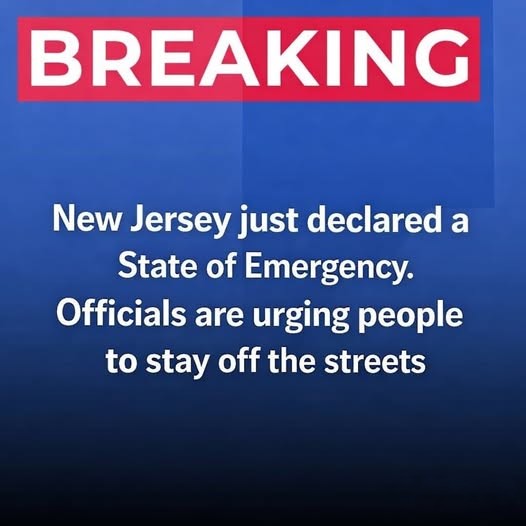
A powerful winter storm sweeping across the northeastern United States has prompted officials in New Jersey to declare a statewide emergency as heavy snowfall, strong winds, and dangerous road conditions affect communities across the region. The declaration, issued by Acting Governor Tahesha Way, allows state agencies to mobilize resources quickly and coordinate emergency services while encouraging residents to remain indoors and prioritize safety.

As the storm intensified throughout the day, highways, neighborhoods, and commercial districts experienced significant disruption. Travel slowed dramatically, public transportation faced delays, and emergency crews worked around the clock to manage snow-covered roads and assist residents in need.
While the weather event created immediate challenges for transportation and daily routines, it also highlighted the resilience of communities across the state. Neighbors supported one another, local authorities worked tirelessly to maintain essential services, and residents adapted to the conditions with patience and cooperation.
State of Emergency Declared to Protect Public Safety
The declaration of a state of emergency is a critical step that allows state leadership to respond more effectively during severe weather events. Acting Governor Tahesha Way issued the order after meteorologists warned that the storm could bring heavy snowfall, freezing temperatures, and reduced visibility across much of New Jersey.
Emergency declarations typically enable several key actions:
-
Deployment of additional snow removal equipment
-
Coordination among state and local emergency agencies
-
Access to emergency funding and resources
-
Temporary travel advisories or restrictions
-
Activation of emergency shelters and support services
Officials emphasized that the goal of the declaration was not only to manage the storm’s impact but also to encourage residents to avoid unnecessary travel until conditions improved.
Public safety messages focused on reducing traffic during the storm so that snowplows, emergency vehicles, and utility crews could operate more efficiently.
Transportation Challenges Across the State
One of the most immediate effects of the storm was its impact on transportation. Major highways that typically carry heavy traffic began to slow as snowfall intensified. Vehicles moved cautiously through accumulating snow, and many drivers chose to postpone travel altogether.
Road crews across New Jersey deployed fleets of snowplows and salt trucks in an effort to keep key routes passable. These teams worked continuously, clearing lanes and spreading de-icing materials to prevent dangerous ice formation.
Despite these efforts, weather conditions made it difficult to keep roads clear for extended periods. Snowfall combined with gusting winds caused snow to drift back onto recently plowed areas, creating ongoing challenges for maintenance crews.
Local authorities encouraged residents to stay home whenever possible to allow emergency vehicles and snow removal equipment to work without obstruction.
Weather Conditions Intensify Throughout the Day
Meteorologists tracking the storm reported that it strengthened as it moved across the region. Heavy snowfall combined with strong winds reduced visibility in some areas, making travel particularly hazardous.
Weather radar images showed large bands of snow stretching across parts of the northeastern United States. Temperatures remained below freezing in many areas, increasing the risk of icy roads and slippery sidewalks.
Winter storms in the region often develop when cold air from northern climates meets moisture from coastal systems. These conditions can produce intense snowfall within a relatively short period of time.
Residents were advised to monitor updates from local weather authorities and remain aware of changing conditions throughout the storm.
Community Preparedness and Safety Measures
In anticipation of the storm, many residents had already taken steps to prepare their homes and families. Grocery stores reported increased activity as people stocked up on food, bottled water, and essential supplies.
Preparation tips commonly shared during winter storms include:
-
Ensuring adequate heating and insulation in homes
-
Charging mobile devices and backup batteries
-
Stocking emergency supplies such as flashlights and blankets
-
Checking on elderly neighbors or family members
-
Avoiding travel unless absolutely necessary
Emergency officials also reminded residents to keep pathways clear of snow and ice to reduce the risk of slips and falls.
These simple precautions can make a significant difference in maintaining safety during severe weather events.
Power and Infrastructure Concerns
Winter storms sometimes bring the risk of power outages, particularly when heavy snow or ice affects electrical lines. Utility companies in New Jersey prepared crews in advance to respond quickly to any service disruptions.
Backup generators were readied at key facilities such as hospitals, emergency shelters, and community centers. These preparations help ensure that essential services remain operational even during difficult weather conditions.
Residents were advised to report power outages to their local utility providers and avoid approaching downed power lines.
Authorities also reminded households to use heating equipment safely and to follow guidelines for carbon monoxide prevention when using generators or alternative heating sources.
Emergency Shelters and Community Support
In response to the storm, several community centers and shelters prepared to assist residents who might need temporary accommodations. These facilities provide warmth, food, and essential support for individuals affected by severe weather.
Emergency shelters often serve as a critical resource during winter storms, particularly for vulnerable populations. Local governments and nonprofit organizations frequently collaborate to ensure these centers remain accessible and properly equipped.
In many communities across New Jersey, volunteers helped distribute blankets, warm beverages, and supplies to individuals who needed assistance.