Understanding Severe Constipation and Toxic Megacolon: Causes, Risks, and Prevention
Introduction
Digestive health plays a vital role in overall well-being, yet it is often overlooked until symptoms become uncomfortable or disruptive. One common digestive issue that many people experience at some point in their lives is constipation. In most cases, constipation is temporary and can be managed through simple lifestyle adjustments. However, when constipation becomes chronic or severe, it can lead to serious medical complications.

One rare but potentially dangerous complication is Toxic Megacolon, a condition in which the large intestine becomes significantly enlarged and loses its ability to function properly. Although this condition is uncommon, it highlights the importance of recognizing persistent digestive symptoms and seeking medical attention when necessary.
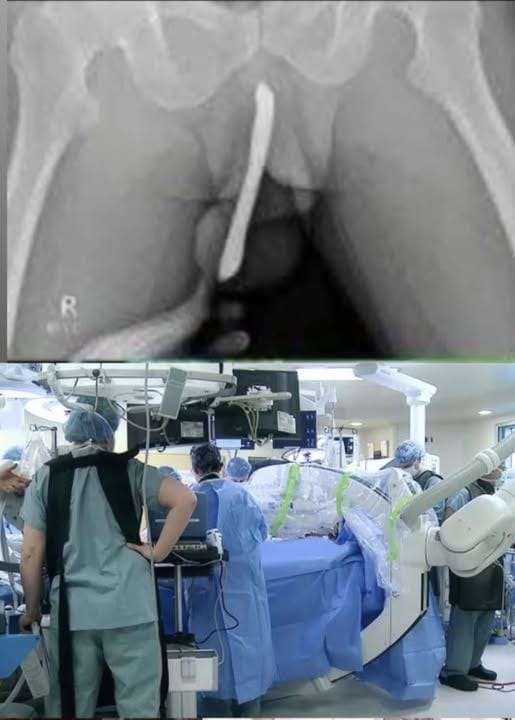
A real-life medical case illustrates how ignoring prolonged constipation can escalate into a serious health situation. In that instance, a young woman experienced more than two weeks without a bowel movement. When she eventually sought medical care, doctors discovered that her colon had expanded dramatically due to the accumulation of waste.
This article explores the causes of severe constipation, the potential risks associated with untreated digestive issues, and practical solutions for maintaining a healthy digestive system.
What Is Constipation?
Constipation is a digestive condition characterized by infrequent bowel movements or difficulty passing stool. While bowel habits vary among individuals, most healthcare professionals consider constipation to occur when someone has fewer than three bowel movements per week or experiences hard, difficult-to-pass stools.
Occasional constipation is common and may occur due to dietary changes, travel, dehydration, or stress. However, persistent constipation may signal an underlying digestive issue that requires attention.
When waste remains in the colon for extended periods, it becomes harder and more difficult to pass. Over time, this can lead to discomfort, abdominal bloating, and strain during bowel movements.
If constipation continues for long periods without treatment, complications may develop.
The Role of the Colon in Digestive Health
The colon, also known as the large intestine, plays a crucial role in the digestive process. Its main functions include:
-
Absorbing water from digested food
-
Forming and storing stool
-
Moving waste through the digestive tract for elimination
The colon relies on rhythmic muscle contractions called peristalsis to push waste toward the rectum. When this process slows down, stool may remain in the colon longer than normal, leading to constipation.
Maintaining healthy colon function depends on several factors, including diet, hydration, physical activity, and gut health.
When Constipation Becomes Severe
Most cases of constipation are manageable with simple lifestyle adjustments. However, chronic constipation—defined as persistent symptoms lasting several weeks or longer—can lead to complications.
In severe cases, the colon may become distended due to the accumulation of stool. This stretching can weaken the muscles and reduce the colon’s ability to move waste effectively.
In the medical case mentioned earlier, imaging scans revealed that the patient’s colon had expanded significantly due to the buildup of waste. The colon had stretched to such an extent that it extended upward toward the chest area.
Additionally, the natural folds inside the colon—structures that help with normal movement and digestion—had become less visible due to the extreme stretching.
Without timely treatment, conditions like this can pose serious health risks.
Understanding Toxic Megacolon
Toxic megacolon is a rare but serious condition in which the colon becomes severely dilated and inflamed. The condition can disrupt normal bowel function and may lead to complications if not treated promptly.
This condition is often associated with severe inflammation of the colon and can occur as a complication of certain gastrointestinal diseases or infections.
Symptoms of toxic megacolon may include:
-
Severe abdominal swelling
-
Fever
-
Rapid heart rate
-
Severe constipation or inability to pass stool
-
Abdominal pain
Because toxic megacolon can develop quickly and may lead to life-threatening complications, it requires immediate medical attention.
Although chronic constipation alone does not always lead to this condition, untreated digestive issues can increase the risk of complications.
Potential Complications of Chronic Constipation
Ignoring persistent constipation can lead to several health problems that affect both comfort and long-term digestive health.
1. Colon Distension
When stool accumulates in the colon for extended periods, the colon may stretch beyond its normal size. This condition can weaken the muscles responsible for moving waste through the digestive system.
2. Hemorrhoids
Straining during bowel movements can cause swollen veins around the rectum, a condition known as Hemorrhoids. Hemorrhoids can lead to discomfort, itching, and irritation.
3. Anal Fissures
Hard stools can sometimes cause small tears in the lining of the anus, known as Anal fissure. These tears may cause pain and bleeding during bowel movements.
4. Bowel Obstruction
In severe cases, hardened stool can block the intestine, preventing normal waste movement. This condition, called Bowel obstruction, requires immediate medical care.
5. Long-Term Colon Health Risks
While constipation alone does not directly cause Colorectal cancer, prolonged digestive issues may delay diagnosis of other gastrointestinal conditions. Regular medical checkups are important for identifying potential health concerns early.
Common Causes of Chronic Constipation
Several lifestyle and medical factors can contribute to long-term constipation.
Low-Fiber Diet
Fiber helps add bulk to stool and promotes regular bowel movements. Diets low in fiber—often consisting mainly of processed foods—can slow digestion.
Dehydration
Insufficient water intake may lead to hard, dry stools that are difficult to pass.
Lack of Physical Activity
Regular movement helps stimulate intestinal activity. Sedentary lifestyles can slow digestion and contribute to constipation.
Ignoring the Urge to Use the Bathroom
Delaying bowel movements may cause stool to remain in the colon longer, making it harder to pass later.
Certain Medications
Some medications may slow digestion as a side effect. Anyone experiencing persistent constipation while taking medication should consult a healthcare professional.
Signs That Require Medical Attention
Occasional constipation can usually be managed at home. However, certain symptoms may indicate the need for professional evaluation.
Seek medical advice if constipation is accompanied by:
-
Persistent abdominal pain
-
Severe bloating
-
Unexplained weight loss
-
Blood in stool
-
Symptoms lasting several weeks
Early medical assessment can help identify underlying conditions and prevent complications.
Lifestyle Strategies to Prevent Constipation
Maintaining digestive health often begins with simple daily habits.
Eat Fiber-Rich Foods
Fiber is essential for healthy digestion. Foods rich in fiber include:
-
Whole grains
-
Fruits such as apples and pears
-
Vegetables like broccoli and carrots
-
Legumes such as lentils and beans
Gradually increasing fiber intake helps prevent digestive discomfort.
Drink Enough Water
Hydration helps soften stool and supports smooth movement through the digestive system.
Most adults benefit from drinking several glasses of water throughout the day, though exact needs vary depending on activity level and climate.
Stay Physically Active
Exercise stimulates intestinal contractions that help move stool through the digestive tract.
Even moderate activities such as walking or stretching can support regular bowel movements.
Establish a Consistent Bathroom Routine
Responding promptly to the body’s natural urge to use the bathroom helps maintain regular digestive patterns.
Many healthcare professionals recommend setting aside time each day—often after meals—to allow the digestive system to function naturally.
The Importance of Digestive Awareness
Many people hesitate to discuss digestive issues because they consider them embarrassing or minor. However, digestive health is an essential part of overall well-being.
Listening to the body’s signals and addressing symptoms early can prevent small problems from developing into larger medical concerns.
Routine health checkups also play a valuable role in monitoring digestive health and identifying potential issues early.
Advances in Medical Care
Modern medicine offers many effective treatments for chronic constipation and related digestive conditions.
Doctors may recommend treatments such as:
-
Dietary adjustments
-
Fiber supplements
-
Medications that stimulate bowel movement
-
Diagnostic tests to evaluate colon health
In rare cases involving severe complications, specialized medical procedures may be necessary.
The goal of treatment is always to restore normal digestive function and prevent further complications.
Building Long-Term Digestive Health
Maintaining digestive wellness requires a balanced approach that includes nutrition, hydration, physical activity, and stress management.
Small daily habits—such as eating balanced meals and staying active—can have a significant impact on long-term health.
In addition, understanding the warning signs of digestive disorders helps individuals make informed decisions about seeking medical care.
Conclusion
Constipation is a common digestive issue that many people experience occasionally. In most cases, it is temporary and easily managed with simple lifestyle adjustments. However, persistent or severe constipation should not be ignored.
Rare complications such as Toxic Megacolon highlight the importance of paying attention to digestive health and seeking medical care when symptoms persist.
By adopting healthy habits—including a fiber-rich diet, adequate hydration, regular physical activity, and timely medical consultation—individuals can greatly reduce the risk of severe digestive complications.
Ultimately, protecting digestive health is an important part of maintaining overall wellness and ensuring the body functions effectively every day.