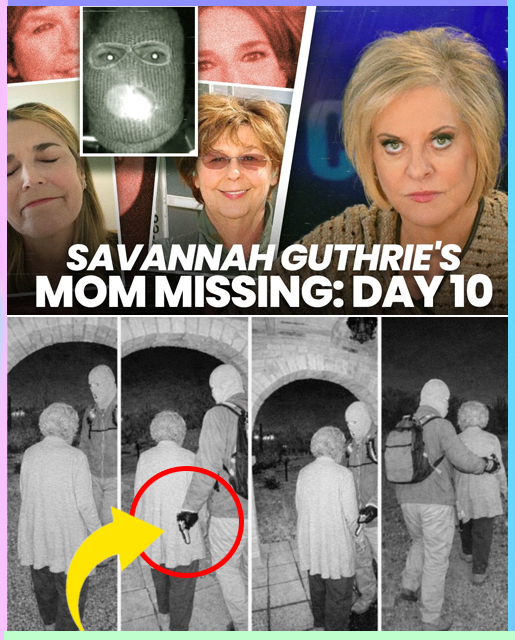
Understanding Sensational Headlines: How Breaking News Framing Can Shape Public Perception
In the fast-paced world of digital media, headlines are often designed to capture attention within seconds. Readers scrolling through social media feeds or news platforms frequently encounter dramatic phrases such as “Breaking News” or statements suggesting an urgent international crisis. These headlines can spark immediate curiosity, concern, or even fear before the reader has a chance to understand the full context.

One example of this phenomenon involves headlines suggesting that the government of North Korea has issued a direct threat toward former U.S. president Donald Trump. At first glance, such wording appears to signal a serious geopolitical confrontation. However, in many cases the headline itself may be incomplete or intentionally structured to encourage readers to click and learn more.
This type of headline design highlights an important issue in modern media consumption: the difference between attention-grabbing phrasing and fully explained information. Understanding how headlines are crafted—and why they are sometimes written in a dramatic style—can help readers navigate the online information environment more effectively.
The Power of a Headline
A headline serves as the first point of contact between a story and its audience. In traditional print journalism, headlines were designed primarily to summarize the main point of an article and help readers quickly decide which stories to read.
With the rise of online publishing and social media, however, headlines have taken on a new role. They must compete for attention in a crowded digital landscape where thousands of stories appear every day.
As a result, many headlines are written to maximize engagement. This means using language that sparks curiosity or emotion, encouraging readers to click on the article to learn more.
While this approach can increase readership, it also has the potential to create confusion when the headline does not fully explain the situation.
What Makes a Headline Sensational?
A sensational headline often includes dramatic wording, incomplete information, or emotionally charged language. These elements are designed to provoke a strong reaction from readers.
Common characteristics of sensational headlines include:
-
Urgent phrases such as “Breaking News” or “Shocking Development”
-
Incomplete statements that stop before revealing key details
-
Emotionally loaded language that suggests danger or controversy
-
References to well-known public figures or countries
For instance, a headline suggesting that North Korea has issued a direct threat to Donald Trump may appear alarming if presented without additional context.
Readers who encounter such headlines may assume that a major international crisis is unfolding. However, the full article might reveal that the story refers to a statement made in a broader political discussion, diplomatic tension, or commentary on historical events.
Why Incomplete Headlines Are Used
Incomplete headlines are sometimes called “curiosity gap” headlines. They provide just enough information to spark interest but withhold important details that readers must discover by clicking on the article.
For example, a headline might read:
“Breaking News: North Korea Threatens Trump Directly… See More”
The phrase “See More” suggests that essential information has been intentionally left out. This approach encourages readers to open the article in order to satisfy their curiosity.
While curiosity gap headlines can increase website traffic, they can also lead to misunderstandings if readers interpret the headline alone without reading the full story.
The Role of Social Media in Amplifying Headlines
Social media platforms have dramatically changed how news spreads. Stories can be shared instantly with millions of users around the world, often with only the headline visible.
When people encounter a dramatic headline in their feed, they may share it with others before reading the entire article. This can lead to rapid circulation of incomplete or misunderstood information.
For instance, a headline referencing North Korea and Donald Trump may quickly attract attention because it involves international politics and recognizable public figures.
Even if the full article provides context or clarification, many readers may only see the headline as it spreads across social media.
This pattern highlights the importance of responsible sharing and careful reading.
Understanding the Context of International News
International political news can be complex. Statements made by government officials or diplomatic representatives often require context in order to be fully understood.
Relations between the United States and North Korea have historically involved periods of tension as well as attempts at diplomatic engagement.
During his presidency, Donald Trump participated in several high-profile discussions with North Korean leadership, including meetings aimed at addressing security concerns and regional stability.
These interactions generated extensive media coverage, with headlines frequently highlighting developments in the relationship between the two countries.
Because of the sensitivity of international relations, headlines referring to threats or confrontations can attract significant attention.
However, without careful explanation, such wording may oversimplify complex diplomatic situations.
Media Literacy in the Digital Age
The growing influence of digital media has made media literacy more important than ever. Media literacy refers to the ability to analyze and evaluate information presented through various forms of communication.
Developing strong media literacy skills can help readers:
-
Recognize when a headline may be exaggerated or incomplete
-
Distinguish between verified reporting and speculation
-
Understand the broader context of a story
-
Avoid spreading misinformation online
When encountering a dramatic headline, readers should consider several questions:
-
Does the headline provide enough information to understand the situation?
-
Is the source of the article credible and reliable?
-
Does the article itself confirm the claim suggested in the headline?
-
Are there other reputable news outlets reporting the same information?
By asking these questions, readers can form a more accurate understanding of the story.
The Responsibility of News Publishers
News organizations and content publishers play a significant role in shaping public understanding of events. While engaging headlines can attract readers, they should still accurately reflect the content of the article.
Responsible journalism aims to provide information that is clear, balanced, and properly contextualized.
Many reputable news organizations follow editorial guidelines designed to ensure accuracy and fairness. These guidelines often emphasize:
-
Verifying facts before publication
-
Avoiding misleading or exaggerated language
-
Providing context for complex issues
-
Correcting errors when they occur
Maintaining these standards helps build trust between publishers and their audiences.
How Readers Can Stay Informed
In today’s information environment, readers have access to more news sources than ever before. While this abundance of information can be beneficial, it also requires careful evaluation.
Here are several practical steps readers can take when encountering dramatic headlines:
1. Read Beyond the Headline
The headline is only a small part of the story. Reading the full article often provides the context needed to understand what actually happened.
2. Check Multiple Sources
If a story involves major international developments, multiple reputable news outlets will typically report on it.
3. Look for Official Statements
Statements from government agencies, international organizations, or recognized institutions can provide reliable information about political developments.
4. Be Cautious with Social Media
Not every headline circulating online comes from a verified or trustworthy source.
The Psychology Behind Click-Driven Headlines
There are psychological reasons why sensational headlines attract attention. Human brains naturally respond to information that signals urgency or potential danger.
Words such as “threat,” “crisis,” or “breaking” trigger curiosity and prompt readers to seek additional information.
This reaction is a normal part of how people process information. However, content creators sometimes take advantage of this tendency to encourage clicks.
Understanding this psychological effect can help readers approach headlines more critically.
Encouraging Responsible News Consumption
As digital media continues to evolve, both publishers and readers share responsibility for promoting accurate information.
Publishers can prioritize clarity and transparency, while readers can practice careful evaluation before sharing or reacting to headlines.
Educational initiatives focused on media literacy are also becoming more common. Schools, universities, and community organizations increasingly teach students how to analyze news sources and recognize misleading content.
These efforts aim to equip individuals with the tools needed to navigate the modern information landscape.
The Importance of Context in Global News
Global events often involve complex political, economic, and cultural factors. Headlines that simplify these events into short phrases can sometimes overlook important details.
For example, discussions involving countries like North Korea and prominent political figures such as Donald Trump may involve diplomatic negotiations, policy statements, or historical context that cannot be fully explained in a single sentence.
Understanding the broader background behind such stories helps readers interpret the information more accurately.
Conclusion
Dramatic headlines have become a common feature of the modern digital media environment. While they can capture attention quickly, they do not always provide the full picture.
Headlines referencing geopolitical tensions—such as statements involving North Korea and former U.S. president Donald Trump—demonstrate how powerful wording can shape public perception even before the details are explained.
For readers, the key to staying informed lies in looking beyond the headline, seeking reliable sources, and approaching online information with a thoughtful and critical mindset.
By practicing media literacy and responsible news consumption, individuals can better understand global events and avoid being misled by incomplete or sensational headlines.
In an age where information travels instantly across the world, careful reading and thoughtful analysis remain essential tools for every informed citizen.