Trump name for Iran operation mocked as childish and stupid as death toll rises!
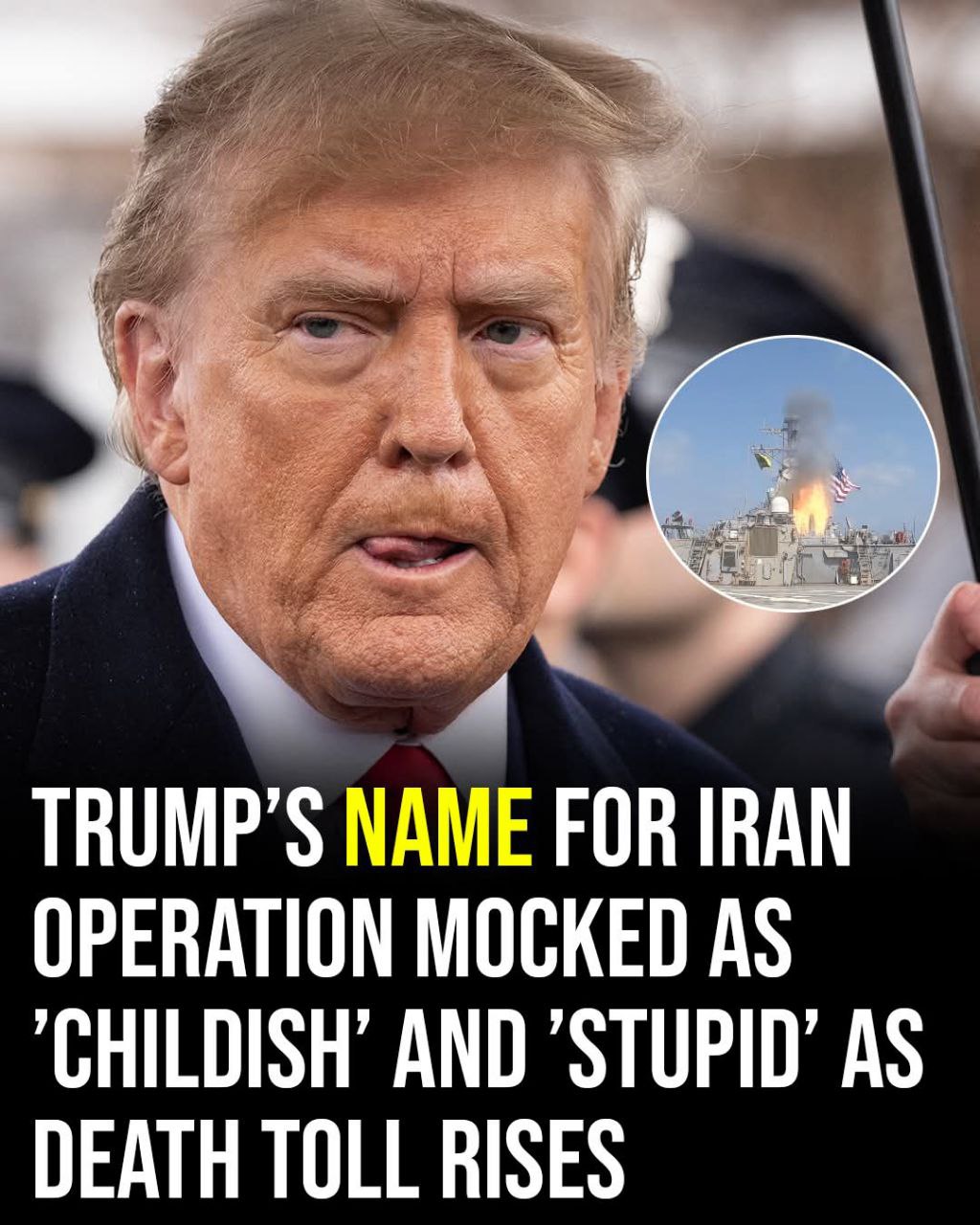
The geopolitical landscape of the Middle East has been thrust into a state of chaotic transition, as a high-stakes military campaign led by the Trump administration enters a period of unprecedented intensity. While the world watches the escalating violence with bated breath, the discourse surrounding the conflict has taken a surreal turn. The administration has officially designated the joint U.S.-Israeli offensive as “Operation Epic Fury,” a title that has ignited a firestorm of controversy, with critics and cultural commentators branding the name as “childish,” “stupid,” and jarringly disconnected from the grim reality of a rising death toll.

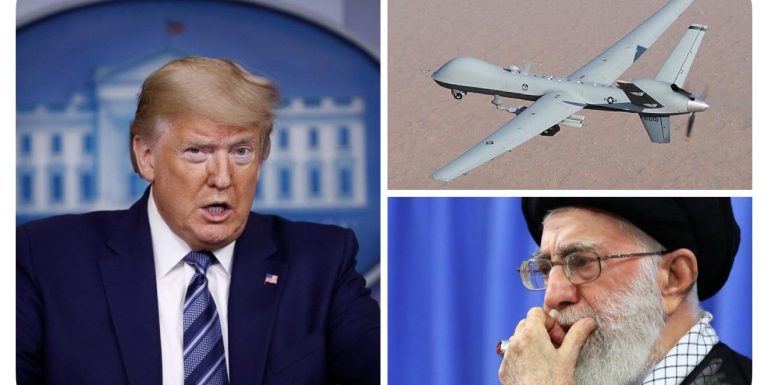
The military kinetic phase began in earnest on February 28, 2026, marking the start of what has been described as a sweeping, multi-front aerial assault. Coordinated strikes by American and Israeli forces have targeted a vast network of Iranian command-and-control centers, domestic infrastructure, and strategic military assets. The opening salvos of the campaign produced a shockwave that reverberated through the highest echelons of the Iranian government. Unconfirmed reports, primarily originating from Iranian opposition groups and intelligence leaks, suggest that Supreme Leader Ayatollah Ali Khamenei was killed in Tehran during the initial, high-precision strikes on the capital. While the Iranian state media has remained largely silent or contradictory regarding these claims, the absence of the Supreme Leader from public view has only fueled global speculation that the regime is facing a fundamental leadership crisis.
Iran’s retaliation was swift and sought to maximize the geographic scope of the conflict. In the days following the initial assault, the Islamic Revolutionary Guard Corps (IRGC) unleashed a barrage of ballistic missiles and sophisticated drone swarms. These strikes have specifically targeted U.S. military installations and logistical hubs across the Persian Gulf, impacting bases in Qatar, Bahrain, and the United Arab Emirates. The conflict further expanded its maritime and European reach when a suspected Iranian long-range drone struck a British Royal Air Force base in Cyprus, signaling that Tehran is willing to target Western interests well beyond its immediate borders to deter further aggression.
The human cost of this escalation is staggering. As of March 6, official and non-governmental tracking agencies report approximately 555 fatalities within Iran alone, many of whom are believed to be military personnel, though reports of collateral damage in densely populated urban centers like Isfahan and Shiraz are mounting. The violence has not been contained; fatalities have been confirmed among military personnel and civilians in Israel, the United States, Iraq, Lebanon, and Kuwait. The regional healthcare infrastructure is buckling under the weight of thousands of injuries, and the specter of a full-scale regional war looms larger with every passing hour.
Despite the gravity of these events, a secondary battle is being fought in the arena of public perception and social media. The branding of the mission as “Operation Epic Fury” has become a lightning rod for derision. On platforms like X and Reddit, the name has been widely mocked for its perceived lack of gravitas. Critics argue that the phrasing sounds less like a strategic military initiative and more like the title of a Marvel cinematic universe entry or a line of plastic action figures marketed to adolescents. Digital analysts have noted that the “gamification” of war through such dramatic naming conventions creates a psychological buffer, making the mounting casualties feel like statistics in a high-budget simulation rather than real human lives lost.
Prominent foreign policy experts have joined the chorus of disapproval, suggesting that the administration’s choice of language undermines the legitimacy of its objectives. The argument is that “Operation Epic Fury” lacks the somber dignity traditionally associated with operations of such significant consequence. By opting for a name that prioritizes “coolness” and bravado over strategic sobriety, the administration is accused of alienating international allies and providing the Iranian regime with propaganda material to frame the U.S. as an unserious, bellicose aggressor.
In Washington, the administration has doubled down on its messaging. Defense Secretary Pete Hegseth has stood firmly behind both the operation and its branding, framing the campaign as a necessary and “laser-focused” response to decades of Iranian provocations. During a high-profile press briefing, Hegseth defended the mission as “the most precise aerial operation in the history of warfare,” designed to systematically dismantle the IRGC’s ability to project power and threaten American interests. To the administration and its supporters, “Operation Epic Fury” represents a clean break from the perceived “strategic patience” of the past, signaling a new era of overwhelming and decisive kinetic action.
The political rift in the United States has deepened as a result. Supporters of the strikes argue that a forceful decapitation of the Iranian leadership is the only way to prevent the regime from achieving nuclear breakout status and to permanently disrupt its network of regional proxies, such as Hezbollah and the Houthis. They view the aggressive naming convention as a psychological warfare tool intended to project strength and resolve to an adversary that only respects power. Conversely, members of the opposition in the Senate and House have expressed alarm over the lack of a clear “day after” strategy. They fear that the decapitation of the Iranian leadership without a viable transition plan will plunge the nation into a vacuum of civil war, similar to the aftermath of the Iraq invasion, but on a much more volatile scale.
The irony of the situation is not lost on the soldiers on the ground and the civilians in the crosshairs. While the internet debates the “childishness” of the name, the reality in the Gulf is one of smoke-filled skies and the constant hum of interceptor missiles. The disconnect between the linguistic “stupidity” criticized online and the visceral, lethal precision of the ordnance being dropped highlights the unique nature of modern conflict in the digital age—where a branding misstep can generate as much international friction as a tactical maneuver.
As “Operation Epic Fury” continues, the trajectory of the Middle East hangs in a precarious balance. The reported death of Khamenei, if proven true, represents a “black swan” event that could either lead to the total collapse of the Islamic Republic or spark a desperate, scorched-earth response from the IRGC remnants. With casualty figures rising across multiple nations and the geopolitical stakes reaching a fever pitch, the world is finding that there is nothing “epic” about the fury being unleashed—only the cold, hard reality of a region on the brink of total conflagration. The controversy over the name may eventually fade, but the consequences of the strikes will likely reshape the map of the 21st century.