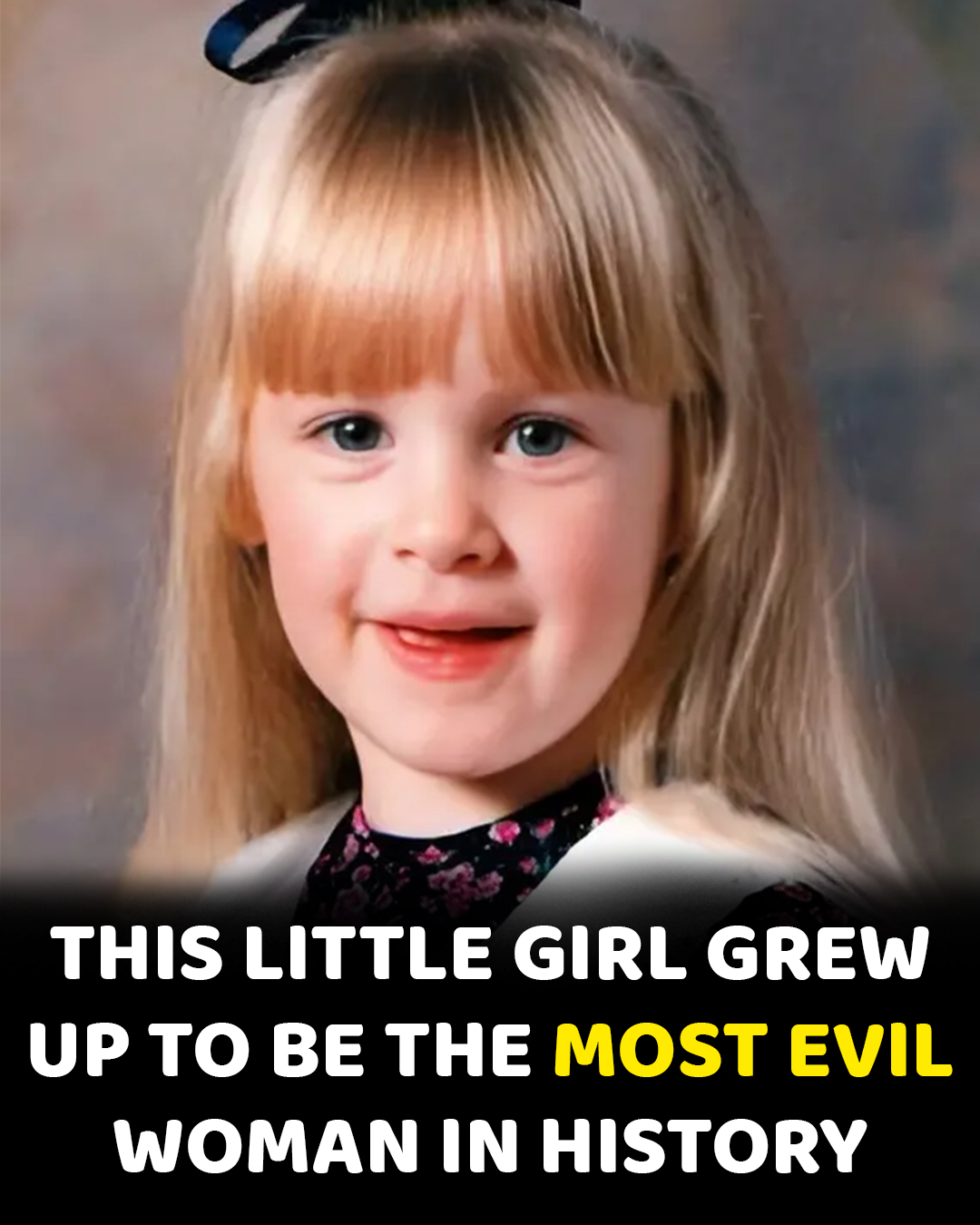
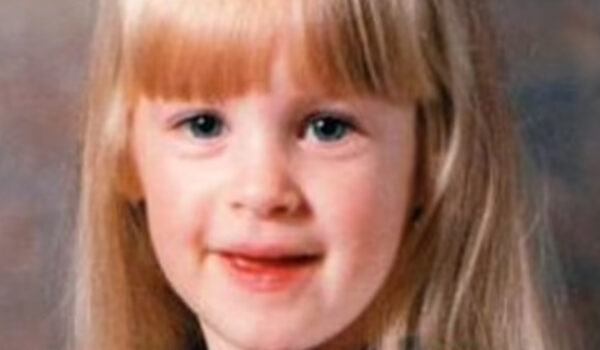
“This girl grew up to become one of history’s most notorious figures.”
When she was born in 1990 in Hereford, England, Lucy Letby seemed a perfectly ordinary child smiling at the camera. Her gap‑toothed grin hinted at nothing unusual in her upbringing or future ambitions.

She was the only child of a furniture salesman and an accounts clerk. Friends and family remembered her as happy, thoughtful, and quietly bright. Nothing in her early life raised concerns about the adult she would become.
After finishing school she pursued nursing, a career built on empathy and care. She studied child nursing at the University of Chester and graduated in 2011 with her nursing qualification, ready to help the most vulnerable.
Soon after, Letby began working at the neonatal unit in the Countess of Chester Hospital in northwest England. Neonatal nursing focuses on premature and critically ill newborns who require constant monitoring and support.
For years, colleagues described her as kind, committed, and conscientious. She wore brightly colored scrubs, learned parents’ names, and seemed to take genuine pride in helping fragile babies survive their earliest hours.
She became well‑known in the unit and was trusted to care for the tiniest, most vulnerable patients. Parents often saw her as a source of comfort during moments that were frightening and emotionally draining.
Something changed in 2015. Between June 2015 and June 2016, the number of unexplained deteriorations and deaths in the neonatal unit began to rise noticeably, prompting alarm among senior doctors on the ward.
Clinicians found patterns that didn’t fit normal clinical experience. Babies deteriorated suddenly without typical warning signs, clinically unexplained collapses occurred, and traditional treatments sometimes failed to help struggling infants.
Dr. Stephen Brearey, the lead neonatologist, noticed the overlap between Letby’s presence on shift and the spike in incidents. He dutifully reported his concerns to hospital leadership, following his professional training and ethical obligations.
Internal concerns were raised as early as 2016, but hospital leadership was slow to act. Some clinicians say they were discouraged from pointing fingers and told not to speculate publicly about causes.
It wasn’t until late 2017 that Cheshire Police were contacted to investigate unofficially what was happening in the neonatal unit. By then, many families had already experienced heart‑breaking losses.
The investigation revealed a troubling cluster of deaths and unexplained collapses involving infants under Letby’s care. Questions arose about whether the patterns were due to chance, medical conditions, or human intervention.
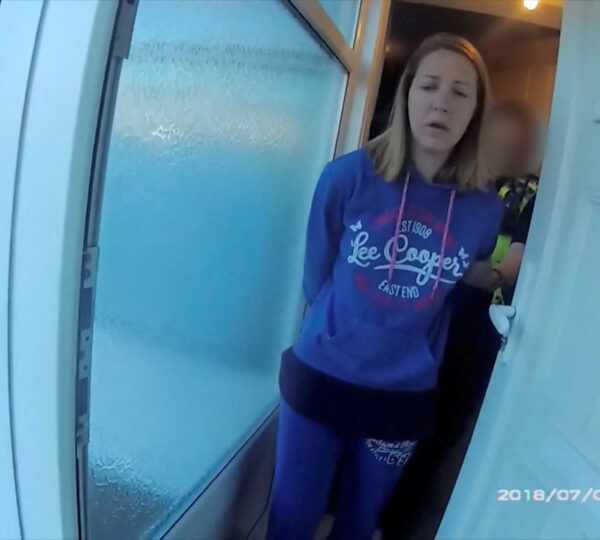
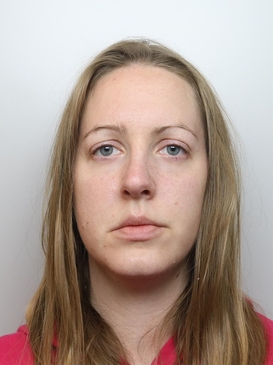
Police arrested Letby in July 2018 on suspicion of murdering eight infants and attempting to murder another six. She was released on bail and later re‑arrested before being charged in November 2020.
Prosecutors charged her with seven counts of murder and fifteen counts of attempted murder related to seventeen babies between June 2015 and June 2016. She denied all charges and maintained her innocence.
The prosecution argued that Letby harmed babies by injecting air into their bloodstream or feeding tubes, giving excessive milk, or poisoning them with insulin. These acts, they said, artificially caused serious harm or death.
They also highlighted handwritten Post‑it notes found in her home that read “I killed them on purpose,” and “I am evil, I did this,” which the prosecution claimed were admissions of her intent.
Letby’s trial opened at Manchester Crown Court in October 2022. Over nearly a year, jurors heard from hundreds of witnesses, including medical experts, police investigators, and grieving parents.
The prosecution’s medical evidence relied heavily on clinical interpretation of test results and records. Key theories were that air embolisms and insulin poisoning had been deliberately induced, though no eyewitnesses saw these acts happen.
Parents shared emotional testimony about babies who seemed to be improving, only to collapse suddenly and catastrophically. Some infants were only hours old when they deteriorated beyond recovery.
Lucy Letby did not give evidence in her own defense. She listened quietly throughout the long trial, offering no emotional displays as jurors examined each case and each allegation brought by the Crown.
In August 2023, after more than 22 days of deliberation, the jury found Letby guilty of murdering seven infants and attempting to murder eight others. She was acquitted on some charges and other counts were left undecided.

In a retrial in July 2024, she was convicted of an additional attempted murder charge. In total she received 15 whole‑life prison orders, meaning she will never be released from prison.
The judge described her actions as “calculated, cold‑blooded, and cruel,” affirming the severity of the crimes as judged by the court. Families expressed both grief and relief at the verdicts.
Prosecutors suggested possible motives, including a need for excitement or attention, and even proposed she formed inappropriate emotional attachments to a colleague. Letby denied all such motivations.
Despite her convictions, the case did not end there. Some medical experts later questioned key elements of the prosecution’s clinical evidence, including diagnoses of air embolism and insulin poisoning.
In February 2025, an international panel of neonatal specialists led by Dr. Shoo Lee said they found no medical evidence to support that malice caused the babies’ deaths, suggesting natural causes or poor care might explain outcomes.
This panel reported alternative explanations for some deaths, including complications from prematurity, respiratory distress, or other naturally‑occurring medical conditions.
Critics also examined the statistical methods used to detect unusual clusters of deaths. Some statisticians argued spikes like those seen can occur by chance, particularly in high‑risk neonatal populations.
Letby’s legal team submitted new evidence and applied to the Criminal Cases Review Commission (CCRC) to examine whether her case should be referred back to the Court of Appeal.
Two previous attempts to appeal her convictions were refused by the Court of Appeal, which ruled they were “not arguable,” keeping her convictions intact.
In wider reflection, a public statutory inquiry (Thirlwall Inquiry) began to examine how Letby was able to harm babies and what failures in hospital systems may have contributed. The report is expected in early 2026.
The inquiry will also explore staffing levels, leadership response, hospital culture, and whether earlier intervention could have prevented further tragedies. Questions remain about institutional oversight.
In 2026, a major Netflix documentary The Investigation of Lucy Letby was released with previously unseen footage and interviews that delve into the investigation, trial, and lingering unanswered questions.
The documentary includes police bodycam footage, comments from investigators and parents, and nuanced examination of the clinical and procedural evidence that shaped public and legal opinions about Letby’s guilt.
Letby is currently serving her sentence in HM Prison Bronzefield, one of the UK’s highest‑security prisons for women. She will remain there for the rest of her life under her whole‑life orders.
Her case remains one of the most complex and controversial in modern British legal history — provoking debate about clinical evidence, statistical interpretation, and how hospitals respond to unexpected patterns of patient outcomes.