“Famous Comedian Draws Criticism Over Erika Kirk Parody”
American comedian Druski has recently found himself at the center of a heated online debate after sharing a controversial sketch that quickly spread across social media platforms.

The video, posted on X, attracted significant attention within hours, drawing both criticism and support from viewers who interpreted the content in very different ways depending on their perspectives.
The sketch was captioned in a way that suggested it was a broader commentary on political identity, framing the performance as satire rather than a direct personal attack on any individual.
However, some viewers believed the portrayal resembled Erika Kirk, which led to immediate backlash and strong emotional reactions from users online.
Critics argued that the timing and tone of the video were inappropriate, particularly because it appeared to reference a person who has publicly spoken about personal loss and grief.

Many social media users expressed concern that comedy should avoid targeting individuals dealing with sensitive life circumstances, emphasizing the importance of empathy in public discourse.
Comments across platforms reflected this sentiment, with some viewers stating that humor should not come at the expense of someone experiencing profound emotional hardship.
Others voiced frustration not only with the content itself but also with what they perceived as a broader trend of comedians pushing boundaries in ways that feel increasingly personal.
At the same time, a different group of viewers defended the comedian, arguing that satire has historically played an important role in social and political commentary.
Supporters suggested that the sketch was intended to critique broader cultural patterns rather than to mock a specific individual, highlighting how satire often relies on exaggeration and performance.
They pointed out that comedy has long been used to reflect societal tensions, sometimes provoking discomfort as part of a larger conversation about public life and identity.
The debate quickly evolved beyond the original video, becoming part of a wider discussion about the limits of humor and the responsibilities of public figures with large audiences.

As the conversation spread, it drew attention to how quickly content can go viral and how rapidly public opinion can form in the digital age.
Social media platforms played a central role in amplifying both criticism and support, demonstrating how online spaces can shape narratives around controversial moments.
The situation also highlighted the challenges faced by comedians in navigating audiences with diverse expectations about what is considered acceptable or offensive.
For some, the sketch crossed a line by appearing to reference real-life experiences, while for others it remained within the realm of comedic expression.
Observers noted that reactions often depend on personal values, cultural context, and individual sensitivity to topics such as grief, politics, and public identity.
The discussion also brought renewed attention to Erika Kirk, who has previously spoken openly about navigating loss and rebuilding her life afterward.
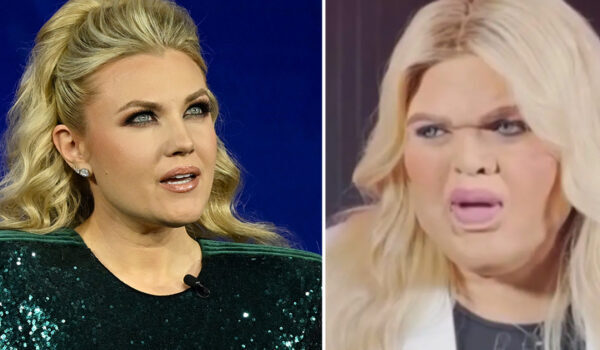
Her public reflections on grief have resonated with many people, offering insight into the emotional complexity of coping with sudden and life-altering events.
In past statements, she has described the contrast between moments of deep sorrow and unexpected glimpses of hope, illustrating the non-linear nature of healing.
This context contributed to the strong emotional responses from those who felt the sketch indirectly touched on deeply personal experiences.
At the same time, others argued that public figures often become part of broader cultural conversations, even when those conversations are uncomfortable or controversial.
The incident also renewed interest in Druski’s career and comedic style, which has often involved exaggerated characters and satirical portrayals of different social groups.
Since rising to prominence through social media platforms, Druski has built a large following by creating content that blends humor with observational commentary.
His approach frequently includes parody, physical transformation, and character-driven storytelling, elements that have helped him gain millions of followers worldwide.

With such a large audience, however, comes increased scrutiny, especially when content touches on sensitive or polarizing subjects.
Public figures in entertainment often face this balance between creative freedom and audience expectations, particularly in an era where content is instantly accessible.
The controversy surrounding this sketch reflects a broader cultural moment in which humor, politics, and personal experiences increasingly intersect online.
Many commentators noted that the discussion itself may be more significant than the video, as it reveals shifting attitudes toward comedy and accountability.
Some argued that comedy should evolve alongside societal values, becoming more mindful of topics that involve real-world suffering or emotional vulnerability.
Others maintained that restricting satire too heavily could limit creative expression and reduce the ability of comedians to comment on complex issues.
The divide in opinion demonstrates how difficult it can be to establish clear boundaries in a diverse and highly connected audience environment.

In recent years, similar debates have emerged around other comedians and public figures, indicating that this is not an isolated incident but part of a larger trend.
As digital platforms continue to grow, the speed at which controversies develop has increased, often leaving little time for context or clarification.
This environment can amplify misunderstandings, as short clips or captions may not fully convey the intended message behind a piece of content.
In this case, the interpretation of the sketch varied widely, with some viewers focusing on perceived intent while others reacted primarily to its impact.
Experts in media and communication often emphasize the importance of considering both intent and impact when evaluating controversial content.
The current discussion illustrates how these two factors can sometimes conflict, leading to ongoing debates rather than clear consensus.
Meanwhile, Druski has not been the first comedian to face criticism for satire involving sensitive topics, and he is unlikely to be the last.
The evolving relationship between comedians and their audiences continues to shape how humor is created, shared, and received in the modern era.
For viewers, the situation serves as a reminder to approach online content with awareness of context, nuance, and differing perspectives.
For creators, it highlights the importance of understanding how content may be interpreted by a broad and diverse audience.
Ultimately, the controversy underscores the complex role that humor plays in society, especially when it intersects with real-life experiences and public figures.
As the conversation continues, it reflects a broader cultural question about where the line should be drawn between satire and sensitivity.
Whether seen as bold commentary or inappropriate timing, the sketch has clearly sparked meaningful discussion about the boundaries of comedy.
In the end, the situation demonstrates how a single piece of content can open wider conversations about empathy, expression, and responsibility in a rapidly evolving media landscape.