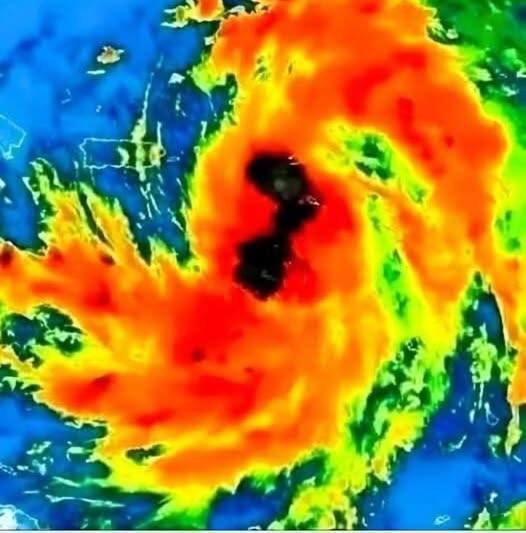
Severe Weather Across the Caribbean and Southeastern U.S.: Flooding, Dust, and Developing Storm Threats
Unusual and challenging weather conditions are affecting both the Caribbean and the southeastern United States at the same time, creating a complex situation for residents and emergency services. Instead of a single event, multiple environmental factors are unfolding simultaneously, increasing risks across already vulnerable areas.

From seismic activity to flooding, airborne dust, and potential tropical systems, the region is facing a combination of natural events that are placing pressure on infrastructure, emergency response teams, and local communities.
Early Impact: Seismic Activity Near Trinidad
The sequence of events began with an earthquake near Trinidad. While it was not strong enough to cause widespread destruction, it was powerful enough to be widely felt and to raise concern among residents.
People reported feeling buildings shake, with many stepping outside as a precaution. Social media quickly filled with videos and firsthand accounts. Although structural damage appears limited, the timing of the earthquake added to the sense of unease, as the region is already dealing with ongoing weather-related challenges.
Ongoing Flooding in Central America
At the same time, parts of Central America are experiencing persistent and severe flooding. Continuous rainfall has caused rivers to overflow, turning roads into waterways and isolating entire neighborhoods.
In many areas:
- Streets are submerged
- Homes are surrounded by water
- Transportation routes are disrupted
Rescue operations are underway, with emergency teams working long hours to assist those stranded. In some cases, residents have relied on small boats or improvised flotation devices to reach safety.
Infrastructure has also been affected. Reports indicate damaged bridges, washed-out roads, and extended power outages. These disruptions make it more difficult for aid to reach those who need it most.
Saharan Dust Affecting Air Quality
Adding to the situation, a large plume of dust from the Sahara Desert has spread across the Caribbean. This phenomenon, while not uncommon, is particularly dense in this instance.
The dust has created:
- Reduced visibility
- Dry and hazy air conditions
- Health concerns for sensitive groups
Individuals with respiratory conditions, such as asthma, have been advised to limit outdoor exposure. The fine particles can make breathing uncomfortable and may aggravate existing health issues.
Additionally, the dust has impacted travel and daily routines, with some flight delays reported due to reduced visibility.
Tropical Systems Under Observation
Meteorologists are also monitoring developing weather systems in the Atlantic, including Tropical Storm Flossie. Warm ocean temperatures and favorable atmospheric conditions could allow these systems to strengthen.
While forecasts continue to evolve, potential risks include:
- Heavy rainfall
- Localized flooding
- Strong winds
- Coastal storm surge
Communities in both the Caribbean and southeastern United States are accustomed to seasonal storms, but the presence of other ongoing challenges makes preparation especially important.
Compounding Risks Across the Region
What makes this situation particularly concerning is the overlap of multiple events. Each issue—whether flooding, dust, or storm activity—can be managed individually. However, when they occur at the same time, the overall impact increases significantly.
Emergency services are facing increased demand, with resources stretched across different types of incidents. Healthcare facilities are also managing a range of needs, from respiratory concerns linked to dust exposure to injuries related to flooding.
In some locations, limited power and communication disruptions have made coordination more difficult.
Communication and Infrastructure Challenges
Reliable communication is essential during emergencies, yet some affected areas are experiencing service interruptions.
Issues reported include:
- Limited phone connectivity
- Internet outages
- Delayed access to updates
When communication networks are affected, it becomes harder for residents to receive timely information or request assistance. This adds another layer of complexity to an already challenging situation.
Preparedness Efforts and Safety Measures
Local authorities are encouraging residents to remain alert and prepared. Guidance varies depending on location, but common recommendations include:
- Preparing emergency supply kits
- Securing important documents
- Monitoring official weather updates
- Identifying safe evacuation routes
In flood-prone areas, residents are taking steps to protect homes and belongings. In regions affected by dust, people are minimizing outdoor activity and using protective measures when necessary.
Community Support and Volunteer Efforts
Community support has become an important part of the response. In many areas, neighbors are assisting one another by sharing resources and offering help where needed.
Examples of community action include:
- Volunteers helping with evacuations
- Local groups providing food and supplies
- Temporary shelters opened in schools and community centers
These efforts highlight the importance of cooperation during difficult times, especially when official resources are under pressure.
Uncertainty in the Days Ahead
Weather patterns remain unpredictable, and conditions can change quickly. Flood levels may rise, dust concentrations can shift, and tropical systems may strengthen or change direction.
Because of this uncertainty, officials continue to emphasize the importance of staying informed through reliable sources and being ready to adapt as conditions evolve.
Looking Ahead: Staying Prepared
Residents across the region are taking precautionary steps, including:
- Stocking essential supplies
- Charging electronic devices
- Securing outdoor items
- Monitoring weather alerts
Those with experience from previous storms understand how quickly situations can escalate. Preparation and awareness remain key to reducing risk.
Conclusion
The Caribbean and southeastern United States are currently facing a rare combination of environmental challenges. While each event presents its own risks, their combined impact makes the situation more complex.
Authorities, emergency responders, and communities are working together to manage these conditions and support those affected.
As the situation develops, staying informed, prepared, and connected with local resources will be essential. While uncertainty remains, coordinated efforts and community resilience continue to play a vital role in navigating this period.
How Weather Patterns Are Interacting
One of the more complex aspects of the current situation is how these different environmental factors may be influencing one another. Meteorologists note that while events like dust plumes, flooding, and tropical systems are not unusual on their own, their interaction can create unexpected outcomes.
For example, Saharan dust can sometimes suppress storm formation by introducing dry air into the atmosphere. However, in other cases, it can shift weather patterns in ways that are harder to predict. Combined with already saturated ground conditions from heavy rainfall, even a moderate storm system could lead to more severe flooding than usual.
Additionally, ocean temperatures play a significant role. Warmer waters provide more energy for developing systems, increasing the likelihood of intensification. This means that even storms that initially appear weak can strengthen quickly under the right conditions.
The Strain on Emergency Services
With multiple issues unfolding at once, emergency services across the region are facing increased pressure. Responders are not only dealing with flood rescues but also preparing for potential storm-related emergencies.
This includes:
- Maintaining evacuation readiness
- Ensuring shelters are equipped and staffed
- Coordinating with regional and national agencies
- Managing limited resources efficiently
In some areas, emergency crews are rotating shifts more frequently to prevent exhaustion. The physical and mental demands of responding to overlapping crises can take a toll, making coordination and support systems even more critical.
Health Concerns Beyond Immediate Danger
While physical safety during floods and storms is a top priority, there are also ongoing health concerns that may develop over time.
Floodwaters can carry contaminants, increasing the risk of waterborne illnesses. Standing water may also create conditions for mosquitoes, which can contribute to the spread of certain diseases.
At the same time, dust exposure continues to be a concern for individuals with respiratory sensitivities. Even those without preexisting conditions may experience irritation or discomfort after prolonged exposure.
Healthcare providers are encouraging people to:
- Use clean drinking water sources
- Avoid contact with floodwater when possible
- Seek medical attention for respiratory symptoms
- Follow public health guidance
Economic and Infrastructure Impact
Beyond immediate safety concerns, these events can also affect local economies and infrastructure. Businesses may be forced to close temporarily due to flooding, power outages, or supply chain disruptions.
Transportation systems are also affected:
- Damaged roads limit access to certain areas
- Delayed shipments impact local supply
- Airport disruptions affect travel and commerce
For communities that rely heavily on tourism, extended disruptions can have longer-term financial consequences. Recovery may take time, especially if multiple weather-related events occur in close succession.
The Importance of Reliable Information
During rapidly changing situations, access to accurate and timely information is essential. Officials are encouraging residents to rely on trusted sources such as national weather services, emergency management agencies, and local authorities.
Misinformation or rumors can create unnecessary panic or confusion. Staying informed through verified channels helps individuals make better decisions for themselves and their families.
Many regions have also expanded alert systems, including:
- Mobile notifications
- Emergency broadcasts
- Community messaging services
A Continued Focus on Preparedness
Even as conditions evolve, preparedness remains one of the most effective ways to reduce risk. Residents are being reminded that small steps can make a meaningful difference.
These include:
- Keeping emergency supplies stocked
- Reviewing family safety plans
- Staying aware of evacuation routes
- Checking on neighbors, especially vulnerable individuals
Preparedness is not just about reacting to current events—it’s about being ready for what may come next.
Final Thoughts
The combination of flooding, airborne dust, and potential storm activity highlights how interconnected weather systems can be. While each event presents its own challenges, their overlap requires increased awareness and coordination.
Communities across the Caribbean and southeastern United States continue to respond with resilience, adapting to changing conditions while supporting one another.
As forecasts continue to develop, staying informed and prepared will remain the most important tools for navigating the days ahead.