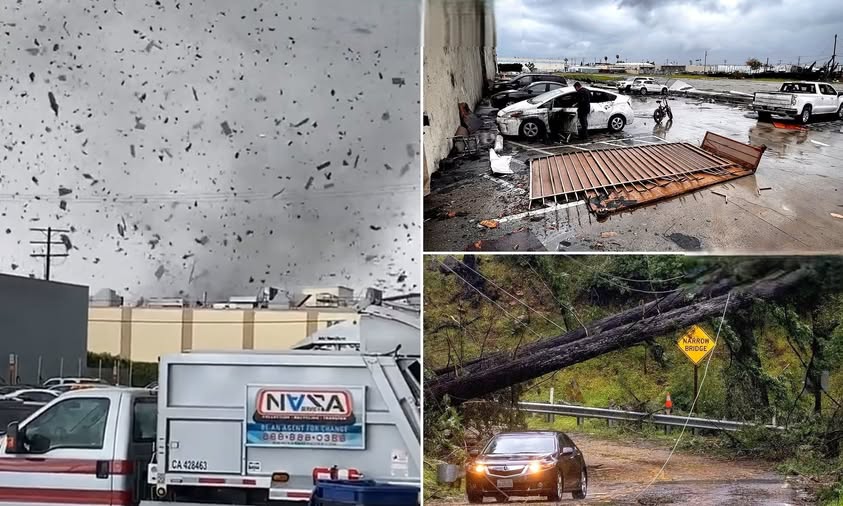
Additional Preparedness Tips for Severe Thunderstorms
While the basics of storm safety are essential, taking a few extra steps can further improve your readiness and confidence when severe weather approaches. These additional considerations focus on planning ahead, staying adaptable, and reducing stress during uncertain conditions.

Create a Simple Emergency Plan
Having a clear plan in place can make a big difference, especially if a storm intensifies quickly. Every household should consider:
- Identifying a safe area in the home, such as an interior room away from windows
- Agreeing on a communication plan in case family members are separated
- Keeping important phone numbers written down in case devices lose power
Practicing this plan occasionally ensures everyone knows what to do without confusion.
Keep Devices Charged and Ready
Before a storm arrives, make sure mobile phones, portable chargers, and other essential devices are fully charged. Power outages can happen unexpectedly, and having access to communication tools is critical.
If possible, consider keeping a backup power source, such as a power bank, especially during seasons when storms are more frequent.
Prepare for Extended Disruptions
Although many storms pass quickly, some may lead to longer interruptions. It can be helpful to:
Store extra drinking water
Keep simple, ready-to-eat food available
Have blankets or warm clothing accessible if temperatures drop
These preparations provide comfort and reduce the need to go বাইরে during unsafe conditions.
Pet Safety Matters Too
Pets are often overlooked during storm preparation. Loud thunder, lightning, and strong winds can cause anxiety in animals.
To keep pets safe:
Bring them indoors before the storm begins
Ensure they have a secure, quiet place to rest
Keep identification tags updated in case they become frightened and escape
Being mindful of pets helps ensure the safety of all members of the household.
Stay Flexible and Avoid Unnecessary Risks
Weather conditions can change quickly. Plans may need to be adjusted at short notice, whether it’s delaying a trip or staying indoors longer than expected.
Avoid taking unnecessary risks, such as:
Driving during severe conditions
Standing outside to observe storms
Ignoring official advisories
A cautious approach is always the safest option.
Mental Preparedness and Staying Calm
Storms can feel stressful, especially when conditions become intense. Staying calm allows for better decision-making.
Simple ways to manage stress include:
Focusing on verified updates instead of rumors
Keeping yourself occupied with safe indoor activities
Reassuring children or others who may feel anxious
A calm mindset helps everyone respond more effectively.
Learn From Each Experience
After a storm passes, take a moment to reflect on what worked well and what could be improved. Did you have enough supplies? Were there any unexpected challenges?
Using each experience as a learning opportunity helps build stronger preparedness for future events.
Final Reminder
Severe thunderstorms are unpredictable, but preparation reduces uncertainty. By combining awareness, planning, and practical safety steps, you can protect yourself and those around you more effectively.
Even small actions—like charging your phone, securing loose items, or staying informed—can make a meaningful difference. Over time, these habits build resilience, helping you handle not just one storm, but many to come with greater confidence and peace of mind.
Building Long-Term Storm Preparedness and Resilience
Preparing for a single thunderstorm is important, but developing long-term habits can make an even greater difference over time. Severe weather is not a one-time event in many regions—it’s a recurring part of life. By thinking beyond immediate preparation, individuals and families can create a more resilient approach that reduces stress and improves safety year after year.
Understanding Your Local Risk Patterns
Every region experiences weather differently. Some areas may deal with frequent thunderstorms during certain seasons, while others encounter them less often but with greater intensity.
Take time to learn:
When storms are most likely to occur during the year
Whether your area is prone to flooding or strong winds
How local infrastructure typically responds to heavy weather
This knowledge helps you anticipate risks instead of reacting to them at the last minute.
Strengthening Your Home Over Time
While quick preparations help in the short term, gradual improvements to your home can provide lasting protection.
Consider:
Reinforcing windows or installing storm shutters if storms are frequent
Trimming nearby trees regularly to reduce the risk of falling branches
Checking roof condition and drainage systems to prevent leaks or water buildup
These upgrades don’t have to be done all at once. Even small improvements over time can significantly reduce potential damage.
Creating a Reliable Emergency Kit
An emergency kit is one of the most practical tools for storm readiness. Instead of assembling it hastily before each storm, build and maintain a kit that is always ready.
A well-prepared kit might include:
Bottled water and non-perishable food
Flashlights and extra batteries
A battery-powered or hand-crank radio
Basic medical supplies
Copies of important documents stored safely
Check your kit periodically to replace expired items and ensure everything is in working order.
Financial Preparedness and Documentation
Storms can sometimes lead to property damage or unexpected expenses. Being financially prepared can ease the recovery process.
Helpful steps include:
Reviewing your insurance coverage to understand what is included
Keeping a record of valuable items in your home
Setting aside a small emergency fund if possible
Having documentation ready can make insurance claims or repairs more manageable if they become necessary.
Staying Connected With Your Community
Storm preparedness is not just an individual effort—it’s a community effort. Neighborhood awareness and cooperation can improve safety for everyone.
You can:
Join local community groups or neighborhood networks
Share weather updates with others when needed
Offer assistance to those who may need extra help
Strong community connections often lead to faster recovery and better support during difficult situations.
Teaching Children About Storm Safety
Children may feel frightened or confused during severe weather. Helping them understand what is happening can reduce fear and improve their response.
Simple approaches include:
Explaining storms in a calm and age-appropriate way
Showing them where to go during a storm
Practicing safety steps together so they feel prepared
When children feel informed, they are more likely to remain calm and follow instructions.
Technology and Modern Weather Tools
Advancements in technology have made it easier than ever to stay informed. Weather apps, alerts, and real-time updates provide valuable information before and during storms.
To make the most of these tools:
Enable emergency alerts on your mobile device
Follow trusted weather sources
Keep backup options like a radio in case internet access is interrupted
Using multiple sources ensures you receive timely and accurate information.
Avoiding Common Mistakes
Even with preparation, certain habits can increase risk during storms. Being aware of common mistakes can help you avoid them.
These include:
Waiting too long to prepare
Ignoring early warnings or updates
Underestimating water hazards such as flooded roads
Going outside during lightning or strong winds
Recognizing these risks in advance helps you make safer decisions.
Recovery and Returning to Normal
After a storm, it’s important to transition back to normal activities carefully. Rushing this process can sometimes lead to accidents or overlooked hazards.
Take time to:
Inspect your home for any damage
Clean up debris safely
Restock supplies that were used
Stay alert for any delayed issues, such as weakened structures or lingering water
Recovery is part of preparedness, and handling it thoughtfully ensures long-term safety.
Emotional Well-Being After Storms
Severe weather can affect not just physical safety but also emotional well-being. It’s normal to feel unsettled after a particularly intense storm.
Helpful ways to cope include:
Talking with family or friends about the experience
Taking time to relax and recover
Returning to normal routines gradually
Supporting emotional health is just as important as physical safety.
Looking Ahead With Confidence
While thunderstorms can be unpredictable, they are also manageable with the right approach. Preparation transforms uncertainty into confidence.
By building good habits, staying informed, and supporting those around you, you create a safer environment not just for yourself, but for your entire community.
Preparedness doesn’t mean expecting the worst—it means being ready for whatever comes. And with each step you take, you reduce risk, increase awareness, and strengthen your ability to respond effectively.
Final Takeaway
Severe thunderstorms are a natural part of the environment, but their impact can be minimized through thoughtful preparation and awareness. From securing your home to staying connected with your community, every action contributes to overall safety.
The key is consistency. Small, regular efforts—checking supplies, following weather updates, and maintaining your home—build a strong foundation over time.
When the next storm approaches, you won’t be starting from scratch. You’ll already be prepared, informed, and ready to handle it with confidence.
Quick Final Reminder
Severe thunderstorms can develop quickly, but a little preparation goes a long way. Stay informed, secure your surroundings, and avoid unnecessary risks during active weather conditions.
Even simple actions—like charging your phone, staying indoors, and checking on others—can make a meaningful difference. With awareness and preparation, you can face changing weather with greater safety and confidence.