The Phone Call That Changed Music History and Launched a Country Legend
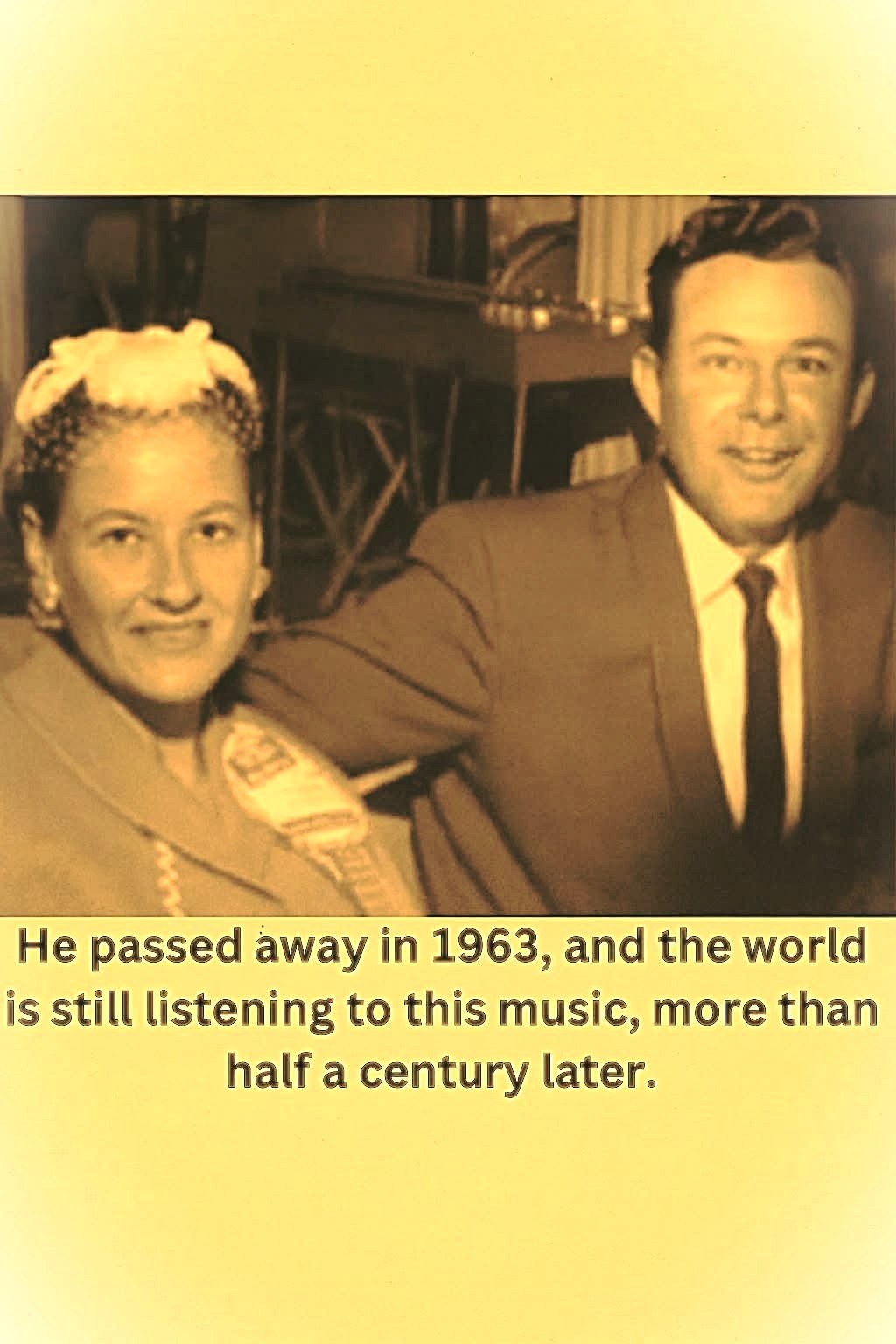
In 1960, a remarkable recording emerged that would go on to become one of the most influential songs in the history of country music, reshaping how the genre was heard and produced.

The song was He’ll Have to Go, recorded by American singer Jim Reeves, and it became a defining example of the “Nashville Sound” that blended country storytelling with smooth pop-influenced production.
At the time, popular music was undergoing a major transformation, with rock and roll rapidly rising in global popularity and traditional country music adapting to new audiences and changing radio expectations.
Within this shifting musical landscape, the recording stood out for its unusually polished arrangement, soft vocal delivery, and emotionally intimate atmosphere that contrasted with more traditional, rough-edged honky-tonk styles.
The song’s origins can be traced back to songwriters Joe and Audrey Allison, who were inspired by a moment of overheard conversation that captured themes of distance, longing, and emotional vulnerability.
According to widely documented accounts, Joe Allison was influenced by hearing a man speaking quietly into a telephone in a bar, attempting to connect with someone who felt emotionally distant or unreachable.
This brief, real-life moment of human fragility became the foundation for lyrics that expressed deep emotional yearning and the universal experience of trying to maintain a strained romantic connection.
The song’s narrative centers on a conversation between two separated lovers, conveyed through a lyrical structure that emphasizes emotional tension, silence, and the desire for reconciliation.
When the composition reached producer Chet Atkins, he recognized the potential to present country music in a more refined and broadly accessible format than was typical at the time.
Atkins played a key role in shaping what became known as the Nashville Sound, a production style characterized by smooth instrumentation, orchestral elements, and a focus on vocal clarity over traditional twang.

Instead of relying heavily on steel guitars or raw honky-tonk instrumentation, the arrangement of the recording emphasized subtle guitar work, gentle background vocals, and a restrained musical atmosphere.
This production approach was intentionally designed to appeal to a wider audience beyond traditional country listeners, helping the genre expand into mainstream pop markets during the early 1960s.
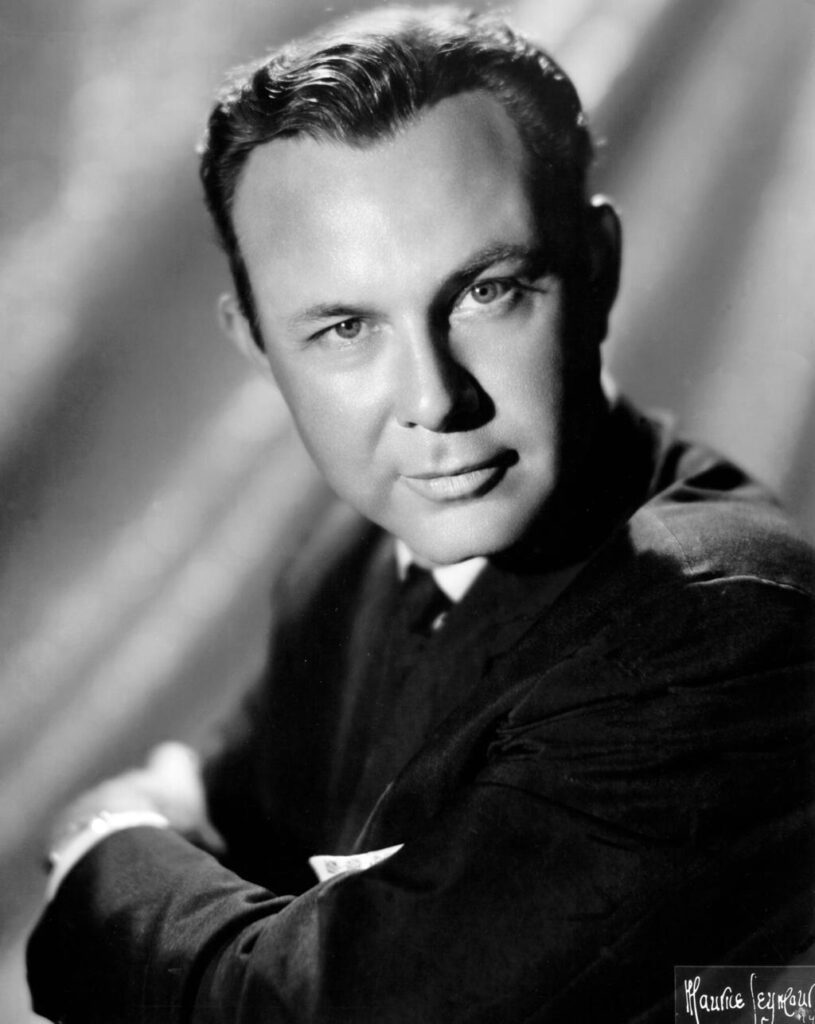
The vocal performance by Jim Reeves became central to the song’s impact, as his deep, calm baritone voice delivered the lyrics with a soft emotional intensity that felt both intimate and controlled.
Reeves was often referred to as “Gentleman Jim” due to his smooth vocal style and polished stage presence, which distinguished him from many of his contemporaries in country music.
His interpretation of the song relied not on vocal power or dramatic expression, but on subtle phrasing and emotional restraint, which enhanced the song’s feeling of quiet longing.
When the recording was released in 1960, it quickly gained widespread attention, resonating strongly with both country audiences and mainstream pop listeners across the United States and beyond.

The song achieved significant chart success, becoming a major crossover hit and helping demonstrate that country music could achieve international popularity without losing its emotional core.
Its success marked an important moment in music history, as it helped establish Nashville as a major center for professionally produced, commercially successful popular music.
The recording’s influence extended beyond its immediate chart performance, shaping production techniques and stylistic approaches used by countless artists in the decades that followed.
Tragically, Jim Reeves’ life was cut short in a plane crash in 1964, a loss that deeply affected the music industry and left many projects unfinished at the height of his career.
Despite his early passing, his recordings continued to grow in popularity, with He’ll Have to Go remaining one of his most enduring and widely recognized performances.
Over time, the song became a cultural standard, frequently covered by other artists across multiple genres, including country, pop, and easy listening interpretations.

While many versions have been recorded, the original 1960 performance by Jim Reeves is still widely regarded as the definitive interpretation due to its emotional subtlety and production quality.
The song has also appeared in various films, radio programs, and television productions, often used to evoke nostalgia or to underscore themes of longing and emotional distance.
Music historians often cite the recording as a landmark example of how production techniques can transform not only a song’s sound but also its cultural reach and audience perception.
The combination of songwriting simplicity and sophisticated production allowed the track to connect with listeners on an emotional level while remaining accessible to a broad audience.
Its arrangement demonstrated how restraint in instrumentation can sometimes enhance lyrical meaning, allowing the vocal performance to remain the central emotional focus.
In academic discussions of popular music, the song is frequently referenced as a turning point in the evolution of country music toward a more polished and commercially versatile format.
The influence of the Nashville Sound, shaped in part by this recording, can still be heard in modern country and crossover pop productions that emphasize clarity and emotional accessibility.

The enduring popularity of He’ll Have to Go reflects not only its musical composition but also its ability to capture universal human emotions that remain relevant across generations.
Themes of distance, uncertainty, and emotional communication continue to resonate with listeners, making the song timeless despite the changing landscape of popular music.
Its legacy is further strengthened by the continued admiration for Jim Reeves’ vocal style, which remains a benchmark for smooth, expressive country singing.
Ultimately, the recording represents a convergence of songwriting inspiration, production innovation, and vocal artistry that collectively reshaped the direction of an entire genre.
More than six decades later, the song continues to be studied, played, and appreciated as a defining moment in the history of recorded music.
It stands as a reminder that a single inspired performance, when carefully produced and emotionally authentic, can leave a lasting impact on global musical culture.