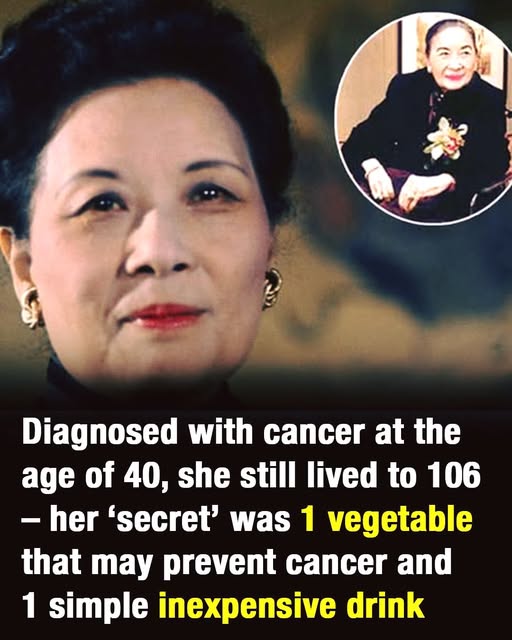
Soong Mei-ling, China’s legendary “Madame Chiang,” followed a surprisingly simple staple in her daily diet
Soong Mei-ling, widely known as Madame Chiang, remains one of the most fascinating and influential women of the twentieth century, remembered for her intelligence, political influence, and remarkably long life that spanned more than a century.

Born in 1898 in Shanghai into the prominent Soong family, she was raised in an environment that combined traditional Chinese values with strong Western influences, shaping her worldview and future leadership role in global affairs.
Her father, a Methodist minister and businessman, ensured she received an elite education in the United States, where she attended Wellesley College, graduating with honors and gaining fluency in English that later defined her diplomatic strength.
This Western education distinguished her from many contemporaries and allowed her to communicate directly with American leaders and the public, giving her a unique advantage during some of the most critical geopolitical moments of the twentieth century.
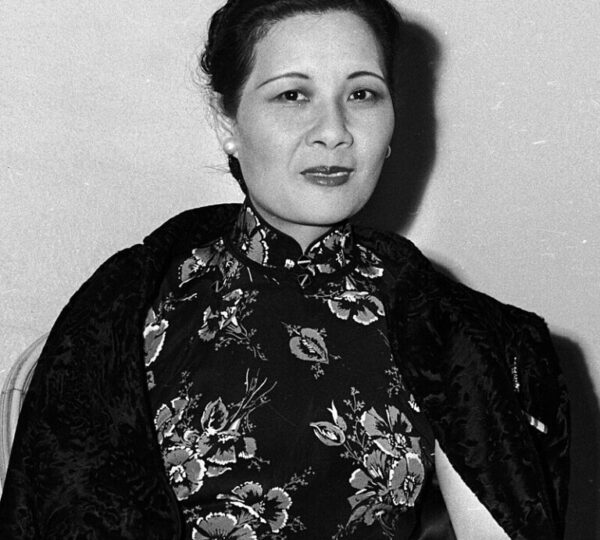
Her marriage to Chiang Kai-shek in 1927 elevated her status further, placing her at the center of Chinese political life during a turbulent period marked by internal conflict and external threats.
Rather than remaining a ceremonial figure, Madame Chiang quickly became an active political participant, advising her husband and helping to shape both domestic policies and international diplomacy with remarkable skill and confidence.
During the Second Sino-Japanese War and later World War II, she emerged as a powerful voice for China, traveling to the United States to rally support and strengthen alliances critical to China’s survival.
Her famous 1943 address to the U.S. Congress made her the first Chinese national and only the second woman to address both houses, showcasing her eloquence, poise, and political intelligence on a global stage.
American audiences were captivated by her charisma and clarity, and she became a symbol of China’s resistance and resilience, helping secure military and financial aid from the United States during wartime.
Her influence extended beyond politics into humanitarian work, where she founded schools and welfare programs, particularly focusing on war orphans and vulnerable populations affected by years of conflict and instability.