What Does the Bible Say About Cremation? Exploring Beliefs and Teachings
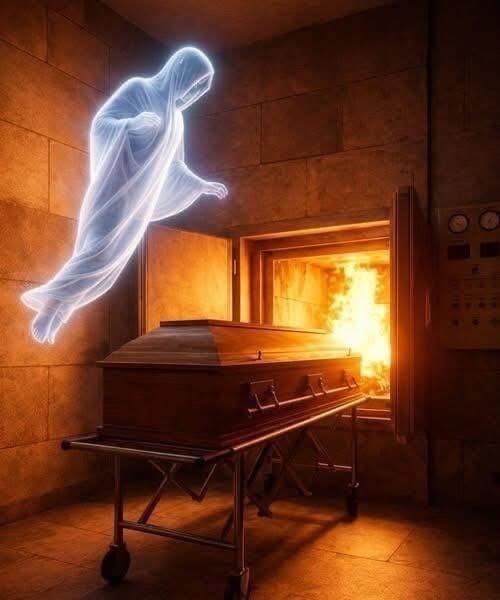
In recent decades, cremation has become increasingly common across many parts of the world, including regions with strong Christian traditions. This shift is influenced by cultural changes, economic considerations, environmental awareness, and evolving views on end-of-life practices. As a result, many Christians today find themselves asking whether cremation aligns with their faith or whether burial remains the preferred biblical standard. The discussion is often not about doctrine alone.

But also about respect, symbolism, and spiritual understanding of the human body. Within Christianity, opinions about cremation vary, but there is broad agreement on one central principle: the dignity of the human body and the hope of resurrection. The Bible does not explicitly command or prohibit cremation. Instead, it reflects the burial customs of ancient Near Eastern cultures, where interment in tombs or caves was the most common practice. These cultural patterns influenced early religious traditions, but they were not presented as strict divine laws governing all future generations.
Burial Practices in the Biblical Context
In the Old Testament, burial is frequently mentioned as the standard way of handling the dead. Figures such as Abraham purchasing a burial site for Sarah, Jacob being buried in Canaan, and Joseph requesting that his bones be carried back to the promised land illustrate the importance of burial in ancient Israelite society. These accounts highlight cultural continuity and family honor, as burial sites often held deep historical and emotional significance.
However, these examples describe customary practice rather than a theological mandate. The Bible does not provide a doctrinal statement that defines burial as the only acceptable method. Instead, it focuses more on faith, covenant, and the relationship between God and humanity. This distinction is important in modern interpretations, where cultural tradition and religious obligation are sometimes confused.
Cremation in Historical and Christian Perspective
Historically, cremation was less common in early Jewish and Christian communities, partly due to cultural associations and available practices at the time. In many ancient societies, burial was considered a sign of respect, while cremation was linked in some cultures to foreign customs. Early Christians generally continued the burial tradition, influenced by both Jewish heritage and the belief in bodily resurrection.
Over time, however, cremation became more widely accepted in various parts of the world, especially in modern eras where land use, urbanization, and public health considerations influenced burial practices. Today, many Christian communities accept cremation as a valid option, provided it is done with dignity and respect.
The Christian Understanding of the Body and Resurrection
A central teaching in Christianity is the belief in the resurrection of the dead. This doctrine emphasizes that God has ultimate authority over life and death and the power to restore life regardless of physical condition. From this perspective, the state of the physical body—whether it has decomposed naturally, been buried, or been cremated—is not a limitation for divine resurrection.
Christian theology generally teaches that the human body is significant and should be treated with respect, but it is ultimately God who determines the restoration of life. This belief helps explain why many Christian denominations do not view cremation as spiritually harmful or incompatible with faith in resurrection.
Denominational Views on Cremation
Different Christian traditions approach cremation with varying emphasis. The Roman Catholic Church, for example, now permits cremation, although it traditionally preferred burial. The Church teaches that cremated remains should be treated with respect and preferably interred rather than scattered, reflecting belief in the dignity of the body and resurrection hope.
Many Protestant denominations also accept cremation, emphasizing that salvation and resurrection are based on faith in God rather than physical burial practices. Eastern Orthodox Christianity tends to maintain a stronger preference for burial, though even within Orthodoxy, discussions continue in response to modern circumstances.
Despite these differences, most Christian traditions agree that cremation does not determine spiritual destiny.
Respect, Dignity, and Cultural Considerations
One of the most important concerns in the discussion of cremation is the treatment of human remains with dignity. Across Christian ethics, respect for the deceased is a consistent value. Whether a body is buried or cremated, the emphasis is on honoring the life of the individual and acknowledging their worth as part of God’s creation.
Cultural practices also play a significant role. In some regions, burial remains the dominant tradition due to historical, religious, or family customs. In others, cremation is chosen for practical reasons such as limited land availability or personal preference. Christianity, in most interpretations, allows flexibility as long as core values of respect and faith are maintained.
The Role of Faith Over Physical Form
At the heart of Christian belief is the understanding that spiritual identity is not dependent on physical preservation. The body is seen as temporary, while the soul and relationship with God are eternal. This perspective reduces theological concern over the physical method of handling remains after death.
For many believers, what matters most is not the method of burial or cremation, but the life lived in faith and the trust in God’s promise of resurrection. This view shifts focus away from external rituals and toward spiritual readiness and hope.
Modern Perspectives and Practical Decisions
In today’s world, decisions about cremation are often influenced by practical considerations as well as personal beliefs. Costs, environmental impact, family traditions, and personal wishes all contribute to how individuals plan end-of-life arrangements. Many Christian families now discuss these decisions in advance to ensure that choices reflect both faith and personal values.
Religious leaders often encourage believers to make informed and prayerful decisions rather than relying on fear or misunderstanding. The key emphasis remains on dignity, remembrance, and trust in God’s sovereignty.
Conclusion: Faith, Respect, and Understanding
The question of cremation in Christianity ultimately centers on interpretation rather than prohibition. The Bible does not explicitly forbid cremation, nor does it require burial as a strict spiritual condition. Instead, it emphasizes faith in God, respect for the human body, and hope in resurrection.
Across Christian traditions, there is a shared understanding that God’s power is not limited by physical conditions. Whether a person is buried or cremated, the focus remains on divine grace, spiritual life, and eternal hope. As such, cremation is generally viewed not as a theological issue of salvation, but as a personal or cultural choice guided by conscience, respect, and faith.
In this way, Christianity continues to balance tradition with modern reality, allowing believers to honor the deceased in ways that reflect both their values and their trust in God’s enduring promise.