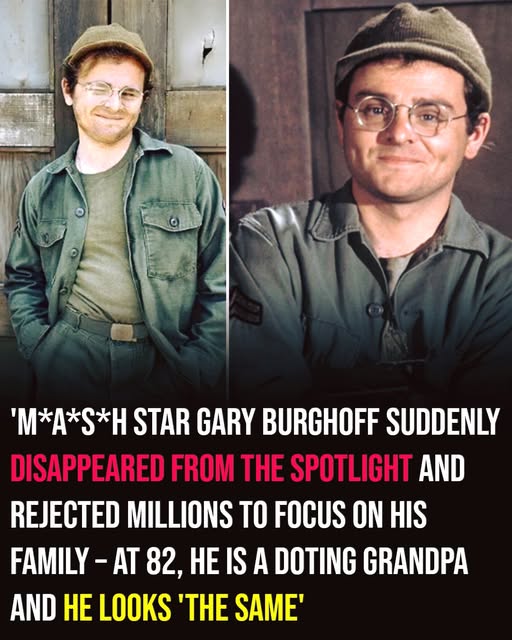
Gary Burghoff left his role as Radar on M*A*S*H to focus on fatherhood and family life
Gary Burghoff became a familiar face to millions of television viewers through his role as Corporal Walter “Radar” O’Reilly in the legendary series MASH*. The character, known for his innocence, intuition, and quiet humor, became one of the most memorable figures in television history. Burghoff’s portrayal was widely praised for its sincerity and emotional depth, helping the show become one of the most successful television dramas of its time. Before his television fame, Burghoff had already appeared in the original 1970 film MASH, directed by Robert Altman.

He was the only actor from the film to reprise his role in the television adaptation, which premiered in 1972. The show, set during the Korean War, followed the staff of a mobile army surgical hospital and combined comedy with serious wartime themes. Burghoff’s character quickly became a fan favorite due to his unique personality and emotional vulnerability. Over the course of the series, Burghoff appeared regularly in the early seasons, helping to establish the tone and emotional foundation of the show.
However, as the series progressed, his appearances were gradually reduced. Reports from production and interviews with cast and crew suggest that the demands of filming and the challenges of balancing work with personal life contributed to his decision to step back from a full-time role. By the time his character Radar officially left the series in the seventh season, the departure was handled through a two-part episode titled “Good-Bye Radar.”

The storyline explained Radar’s discharge from military service and marked an emotional farewell for both the character and the audience. The departure was written to reflect a transition from wartime service to civilian life, giving closure to one of the show’s most beloved characters.
In interviews conducted years later, Burghoff spoke openly about his decision to leave the series. He explained that while the show brought him fame and recognition, he placed significant importance on his family life. He has been quoted as saying that balancing long working hours with family responsibilities became increasingly difficult. He made the personal decision to prioritize time at home over continued success in Hollywood.
Following his departure from MASH*, Burghoff was offered additional television opportunities, including roles in other sitcoms. However, he declined several of these offers, choosing instead to focus on regional theater and other creative pursuits. This decision allowed him greater flexibility in scheduling and enabled him to spend more time with his children. Although theater work provided artistic satisfaction, it did not match the level of recognition he had achieved through television.
Burghoff’s life outside of acting also included a variety of personal interests and talents. He is known to have an interest in music, particularly jazz drumming, and has also been involved in creative inventions and hobbies related to fishing. These interests reflect a multifaceted personality beyond his acting career and demonstrate his preference for a quieter, more private lifestyle compared to many Hollywood actors.
In addition to his artistic work, Burghoff has also pursued painting. His wildlife artwork, particularly paintings of North American animals, has been displayed in galleries and sold to collectors. This transition into visual art represents another creative outlet that he developed later in life, further distancing himself from the entertainment industry while still engaging in artistic expression.
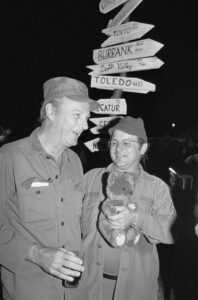
On a personal level, Burghoff has experienced both family growth and change over the years. He has children from his marriages, and his family life has remained an important part of his identity. Publicly available information indicates that he has spoken in interviews about the importance of fatherhood and the personal choices he made to prioritize his children over continuous career advancement.
After leaving MASH*, Burghoff also faced financial challenges at different points in his life, as he has mentioned in interviews. Despite the success of the series, he did not continue to pursue high-profile Hollywood roles or major commercial contracts. Instead, he chose a more modest lifestyle centered on family, art, and personal interests. This shift contributed to both creative freedom and financial fluctuations over time.
Burghoff also briefly returned to his iconic role in spin-off projects, including appearances in AfterMASH and involvement in the development of a proposed series titled WALTER*, which focused on Radar’s life after leaving the army. However, the spin-off did not move forward as a full series. These projects demonstrated the lasting popularity of his character, even after his departure from the original show.
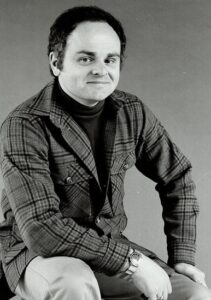
Over the years, MASH* has remained a culturally significant television series, continuing to attract new audiences through reruns and streaming platforms. Burghoff’s portrayal of Radar remains one of the most recognizable elements of the show. Fans often remember his character for his emotional honesty, quiet intelligence, and unique ability to sense events before they happened, which became a defining trait of the role.
Public appearances and fan interactions over the years have shown that Burghoff continues to be remembered fondly by audiences. Many viewers who grew up watching MASH* continue to express appreciation for his performance, often noting the emotional connection they felt with his character. His work remains an important part of television history and continues to be discussed in retrospectives about classic American TV.
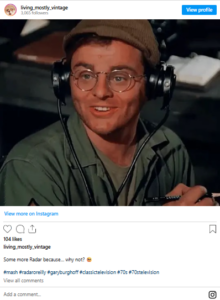
In more recent years, Burghoff has maintained a relatively private life, occasionally appearing in interviews, fan discussions, or charitable efforts. His public presence is significantly reduced compared to his time on television, reflecting his long-standing preference for privacy and family-focused living.
Today, Gary Burghoff is remembered not only for his role in MASH*, but also for the personal choices he made throughout his life and career. His decision to step away from fame in favor of family life is often discussed as an example of choosing personal values over public success. His legacy continues through both his acting work and the lasting impact of one of television’s most beloved characters.