What a Mans Hug Really Communicates, Science, Emotion, and Connection!

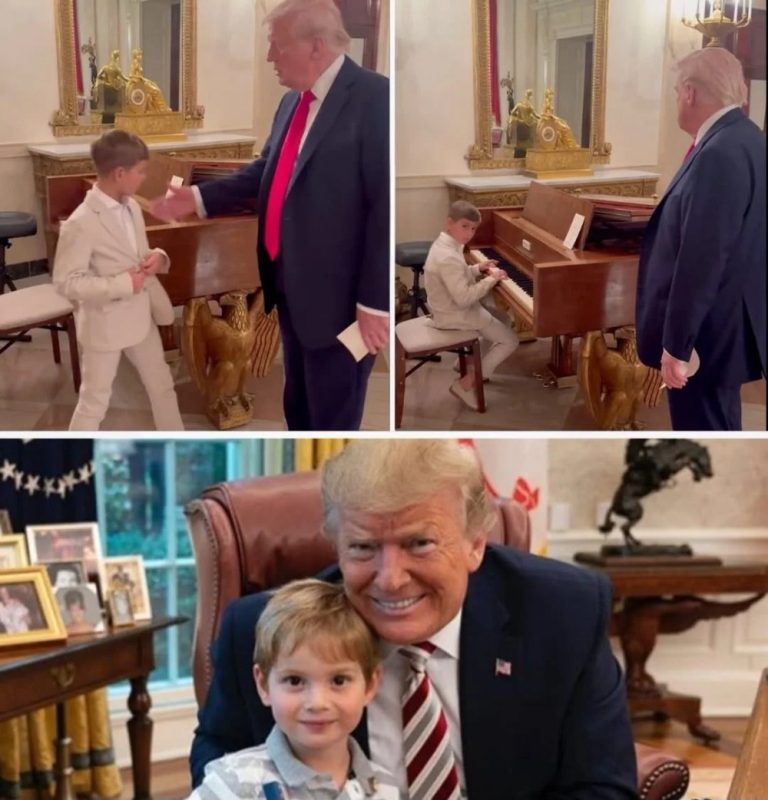
The human embrace is a paradox of simplicity and profound complexity. On the surface, it is merely the intersection of two bodies, a brief wrapping of arms and a leaning of weight. Yet, when a man pulls someone close in a sincere, steady embrace, he is engaging in a form of communication that predates language and transcends the limitations of speech. In moments of dizzying joy, bone-deep exhaustion, or paralyzing uncertainty, that physical closeness becomes a quiet, sovereign language of its own. A genuine hug from a man is rarely accidental; it is an intentional act of presence that whispers a singular, foundational truth to the person being held: I am here, and you are safe.

Long before a conversation begins or an explanation is offered, the human nervous system recognizes the specific architecture of a man’s embrace. This recognition is rooted in a biological and psychological framework that science is only beginning to fully map. When a man offers a firm, grounding hug, the body undergoes a rapid chemical transformation. This physical touch triggers the pituitary gland to release oxytocin, often referred to as the “bonding hormone” or “liquid trust.” Oxytocin serves as a natural buffer against the harshness of the world, effectively lowering blood pressure, reducing cortisol levels, and slowing a racing heart.
For the recipient, the sensation of being held by a man who is fully present can feel like returning to a fortress. There is a specific physical reassurance in the breadth of shoulders and the steady rhythm of a chest that acts as a ballast against emotional turbulence. Science suggests that a hug lasting twenty seconds or longer is enough to stimulate this hormonal shift, moving the body from a state of “fight or flight” into a state of “rest and digest.” In difficult moments, this physical support can quiet the cacophony of anxious thoughts, providing a temporary sanctuary where the mind doesn’t have to carry the burden of survival alone. It is a primal reset, echoing the safety we once felt in the arms of caregivers, reminding the lizard brain that the environment is secure.
However, the power of a man’s hug extends far beyond the biological. In many cultures, men are socialized to be the architects of silence, taught from a young age that emotional fluency is a secondary trait to strength and stoicism. Consequently, many men find themselves in a linguistic desert when faced with profound emotion. They may lack the vocabulary to describe the depth of their loyalty or the intensity of their concern. For these men, the hug becomes an essential emotional shortcut—a bridge over the gap where words fail to reach.
A hug is direct. While language can be filtered, misinterpreted, or softened into ambiguity, the pressure of an embrace is honest. It is difficult to manufacture the specific warmth and sincerity of a true hug. When a man holds a partner, a child, or a grieving friend, he is communicating a complex spectrum of care, loyalty, and love without the need for a single syllable. Through the simple act of pulling someone into his space, he says, “I understand your pain,” “I am proud of your triumph,” or “You matter more than I can say.” It is a deeply personal exchange that bypasses the ego and speaks directly to the soul.
In the context of romantic relationships, the man’s hug is a cornerstone of intimacy that is often undervalued. While grand gestures and eloquent vows have their place, it is the daily, repeated moments of physical closeness that build the “relational bank account” of security. A man who initiates a hug—not as a prelude to something else, but as an end in itself—is reinforcing the foundation of trust. He is signaling that his partner’s emotional well-being is a priority. This creates a feedback loop of mutual respect and vulnerability; to offer or accept a close hug requires an opening of the heart, a literal baring of the chest that signals a lack of threat and a presence of total openness.
Between friends, the “man-hug” or the firm embrace serves as a rare vessel for platonic intimacy. In a world that often views male-to-male affection with a degree of skepticism, a sincere hug between brothers-in-arms or lifelong friends is an act of quiet rebellion. It acknowledges shared history, mutual struggle, and a profound solidarity that doesn’t require the performance of “toughness.” It provides a space where men can be seen and supported by one another, validating their humanity in a way that handshakes and nods never could.
Ultimately, the essence of a man’s embrace is about connection and the radical act of being present. We live in a digital age defined by “connectedness” that often feels incredibly lonely—a world of screens, blue light, and distant interactions. In this landscape, the physical reality of a hug is an anchor. It reminds us that we are biological beings who crave the warmth of another. A strong hug does not solve every problem; it does not pay the bills, cure the illness, or erase the grief. What it does, however, is create a temporary clearing in the woods—a space where a person feels supported enough to turn around and face the forest again.
The next time a man pulls you into a steady, unhurried embrace, pay attention to the silence. Notice the way the world seems to quiet down for a few seconds. Feel the transfer of heat and the grounding weight of his arms. He is giving you something far more valuable than advice or a clever turn of phrase. He is giving you his time, his strength, and his unwavering presence. In its quiet simplicity, that embrace is a lasting reminder of our shared humanity and the enduring power of compassion. It is a testament to the fact that, despite the complexity of our lives, the most important things we have to say to one another are often said best in total silence, held within the circle of a pair of arms.