How the U.S. Navy Is Preparing to Defeat Drone Swarms in Modern Naval Warfare
Military technology evolves constantly, and developments in naval defense often attract significant global attention. In recent years, analysts and security experts have increasingly focused on the rise of unmanned aerial systems and how they could influence future conflicts at sea. At the same time, the United States Navy and other maritime forces are developing new defensive technologies designed to counter these emerging threats.

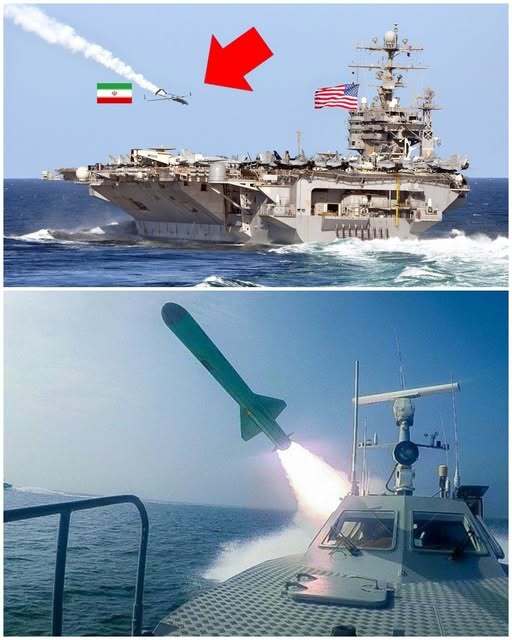
One of the most discussed scenarios among defense analysts involves drone swarms targeting large naval vessels such as aircraft carriers. The idea has appeared in military simulations, training exercises, and media discussions about modern warfare. While these scenarios can sometimes be dramatized online, the reality of naval defense involves complex systems, layered strategies, and technologies that are still evolving.
Understanding how these technologies work—and how they could reshape maritime security—requires examining both sides of the equation: the rise of relatively inexpensive drones and the advanced defensive systems designed to counter them.
Drone Warfare and Strategic Messaging
In recent years, military demonstrations have increasingly featured unmanned aerial vehicles (UAVs). These systems can range from sophisticated reconnaissance platforms to relatively simple one-way attack drones designed to strike specific targets.
Some demonstrations have included simulations involving naval vessels, which serve as symbolic representations of high-value targets in maritime warfare. Such footage often circulates widely online and can serve several purposes. It may be intended for domestic audiences, to showcase technological capabilities, or to signal strategic messaging to potential adversaries.
However, analysts emphasize that promotional videos or training demonstrations rarely reflect the full complexity of real-world combat operations. Modern naval forces operate within integrated defensive networks that combine radar systems, aircraft surveillance, electronic warfare, and layered weapon systems.
In practice, any attempted drone attack against a naval fleet would involve multiple stages, including reconnaissance, targeting, and coordination among different units.
How Drone Swarms Could Be Used
Low-cost drones have gained attention because they can be produced in large numbers. Their relatively simple design allows them to be deployed in groups, sometimes referred to as swarms. The basic idea behind swarm tactics is to overwhelm defensive systems through sheer numbers.
Many one-way attack drones rely on satellite navigation systems such as GPS. These drones are typically programmed with predetermined routes and coordinates before launch. Once airborne, they follow those routes until reaching their intended destination.
Although such drones can be effective in certain scenarios, they have limitations. Because their navigation is preprogrammed, they often cannot easily adjust to changing conditions or respond dynamically to countermeasures.
Electronic interference, signal disruption, and physical interception can all reduce their effectiveness.
The Importance of Early Detection
Naval defense strategies focus heavily on early detection. The earlier a threat is identified, the more options defenders have to respond.
Modern aircraft carriers rarely operate alone. Instead, they travel as part of coordinated formations known as carrier strike groups. These groups combine several ships, aircraft, and support systems into a single defensive network.
One critical component of this network is airborne early-warning aircraft such as the Northrop Grumman E‑2D Hawkeye. These aircraft patrol high above naval fleets and use powerful radar systems to scan large areas of airspace.
The E-2D Hawkeye’s radar system, known as the AN/APY-9, is designed to detect small or low-flying targets even in environments where traditional radar might struggle. By operating at high altitude, the aircraft can see threats long before they approach the fleet.
Once detected, information about incoming objects is shared across multiple ships and aircraft using networked communication systems.
Integrated Naval Defense Networks
One of the most important technological developments in modern naval warfare is the ability to connect sensors and weapons across multiple platforms.
Systems such as the Cooperative Engagement Capability allow different ships and aircraft to share targeting data in real time. This means a destroyer could potentially engage a target using radar data collected by another vessel or aircraft located many miles away.
The result is a coordinated defensive structure that functions less like separate ships and more like a unified combat system.
This networked approach improves situational awareness and reduces reaction times. Decisions that once required manual coordination can now be processed rapidly through automated systems that assist human commanders.
Layered Defense Around a Carrier Strike Group
Defending an aircraft carrier involves multiple layers of protection. Each layer addresses threats at different distances from the fleet.
At longer ranges, guided missiles launched from escort ships can intercept incoming objects before they approach the fleet. These interceptors are designed to engage aircraft, cruise missiles, or other aerial threats.
Closer to the ships themselves, shorter-range missile systems provide another defensive barrier. These weapons can respond quickly to threats that penetrate outer defenses.
At the final stage, close-in weapon systems act as the last line of defense. One widely known example is the Phalanx CIWS, an automated gun system capable of firing thousands of rounds per minute to intercept incoming projectiles at close range.
Together, these layers create a defensive shield designed to handle multiple types of threats simultaneously.
The Cost Challenge of Missile Defense
A frequently discussed issue in modern defense strategy is the cost difference between offensive and defensive systems.
Some drones can be produced relatively cheaply compared to advanced missile interceptors. Critics argue that this imbalance could allow attackers to deploy large numbers of inexpensive drones in hopes of exhausting defenders’ missile supplies.
This concept is sometimes referred to as “saturation,” where the attacker attempts to overwhelm defenses by launching more threats than defenders can intercept.
Military planners have been studying this challenge closely and exploring new technologies designed to address it.
The Emergence of Directed-Energy Weapons
One area of research that has received growing attention is directed-energy technology. These systems use concentrated energy rather than traditional ammunition to disable or destroy targets.
Examples include laser weapons and high-power microwave systems.
Unlike conventional missiles or guns, directed-energy weapons do not rely on physical projectiles. Instead, they draw power from a ship’s onboard electrical systems and focus that energy onto a target.
Laser systems can damage or disable drones by heating critical components. Microwave systems, on the other hand, may disrupt electronics by sending intense electromagnetic energy into circuits.
Because these systems rely primarily on energy rather than ammunition, they could potentially engage multiple targets without depleting traditional weapons supplies.
Advantages and Limitations of Energy Weapons
Directed-energy weapons offer several potential advantages. They can respond quickly, operate with a relatively low cost per engagement, and reduce reliance on limited missile inventories.
However, they also face technical challenges.
Power generation and heat management are critical considerations. Ships must produce enough electrical energy to operate these systems effectively while also dissipating heat generated during use.
Environmental factors can also influence performance. Weather conditions, atmospheric moisture, and distance to the target may affect how energy travels through the air.
As a result, many experts believe directed-energy systems will complement rather than replace traditional defensive weapons.
Coordinating Multiple Defensive Systems
Modern naval defense relies on coordination between different types of weapons and sensors.
For example, a drone detected by radar might first be engaged by a missile system. If it continues approaching, a laser or gun system could provide additional defense.
These decisions often occur extremely quickly. Advanced combat management systems assist commanders by analyzing incoming data and recommending responses.
Automated algorithms can evaluate factors such as target speed, trajectory, and proximity to determine the most appropriate defensive action.
Human operators remain responsible for oversight and final decisions, but automation helps process the enormous amount of information generated during potential engagements.
Combined Threat Scenarios
Military planners also consider situations in which multiple types of threats occur simultaneously.
In some theoretical scenarios, drones might be launched alongside missiles or fast-moving boats. The goal would be to create confusion and stretch defensive resources across multiple directions.
This type of coordinated attack presents significant challenges because each threat may require a different type of response.
Naval forces therefore train regularly to practice defending against complex, multi-layered scenarios.
Exercises and simulations allow crews to refine coordination and improve reaction times.
Intelligence and Reconnaissance in Modern Warfare
Defense is closely linked to intelligence gathering. Every attempted attack provides valuable information about an adversary’s capabilities and tactics.
Radar signals, communication transmissions, and launch activity can all reveal details about equipment and infrastructure.
Surveillance aircraft and satellites help analysts monitor these signals and build a clearer picture of potential threats.
In some cases, the intelligence gained from detecting and tracking an attempted attack can influence strategic planning far beyond the immediate event.
The Future of Naval Defense
Technological innovation continues to shape the future of naval warfare. Advances in sensors, artificial intelligence, and energy systems are gradually transforming how fleets defend themselves.
Autonomous systems may assist with monitoring large areas of ocean. Improved radar technology may detect smaller or stealthier targets. Directed-energy weapons may expand the range of defensive options available to naval forces.
At the same time, potential adversaries are also developing new tactics and technologies.
This dynamic environment means that defense strategies must constantly adapt to remain effective.
Why Modern Warfare Is More Complex Than Headlines Suggest
Dramatic headlines and viral videos sometimes portray modern warfare as a simple contest between one weapon and another.
In reality, military operations involve far more complexity. Technology, strategy, training, and coordination all play crucial roles.
Naval defense is not based on a single system but on an integrated network of sensors, aircraft, ships, and weapons working together.
This layered approach makes it much more difficult for any single type of threat to succeed on its own.
Conclusion
The rise of drone technology has introduced new challenges for naval forces around the world. At the same time, advances in defensive systems—including radar networks, missile interceptors, and emerging directed-energy weapons—are reshaping how fleets respond to these threats.
Rather than relying on a single solution, modern naval defense combines multiple layers of technology and strategy to protect ships operating in complex environments.
As these technologies continue to evolve, the balance between offense and defense will likely shift again. What remains constant is the importance of innovation, coordination, and careful planning in maintaining maritime security.
Understanding these developments provides valuable insight into how modern militaries prepare for potential challenges while seeking to maintain stability in some of the world’s most strategically important waterways.