A Former Storage Wars Co-Star Speaks About Events Leading Up to the Incident Involving Darrell Sheets
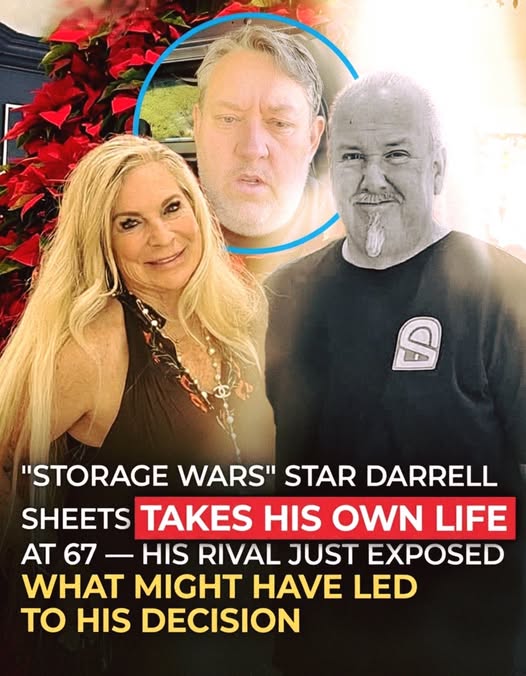
For years, audiences knew Darrell Sheets as one of the most recognizable personalities from the reality television series Storage Wars, a show that turned storage auctions into a competitive and often dramatic viewing experience. On screen, he was presented as confident, energetic, and willing to take significant financial risks in pursuit of valuable finds hidden inside abandoned storage units. His personality earned him the nickname “The Gambler,” reflecting the way he approached each auction with instinct, strategy, and a willingness to bet on uncertain outcomes.

Within the structure of the show, Sheets became one of the most memorable cast members because of his bold bidding style and expressive reactions when uncovering unexpected items. Over the course of the series, he appeared in more than 160 episodes, becoming a familiar face to viewers who followed the program from its early seasons. His presence contributed to the popularity of the show during its peak years, as audiences were drawn to the unpredictable nature of each auction and the personalities competing within them.
However, behind the edited television narrative, Sheets’ real life included significant personal and medical challenges that were publicly shared over time. In 2019, he revealed that he had suffered serious heart-related health issues, including multiple heart attacks that required urgent medical intervention. He spoke openly about undergoing procedures to address blocked arteries and about the long recovery process that followed. These experiences marked a turning point in his life, as he began to discuss health awareness and the importance of paying attention to warning signs.
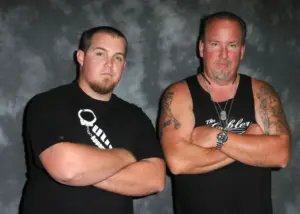
In his own public reflections, Sheets described how the experience forced him to reassess his lifestyle and priorities. He acknowledged that he had previously ignored certain symptoms and later came to understand how serious the consequences had become.
His comments during that period reflected a sense of gratitude for survival, but also an awareness of how fragile his health had become. These posts, shared with followers, showed a more vulnerable side of a man who was often seen on television as strong and unshaken.
In addition to physical health struggles, Sheets also shared messages over the years encouraging people to pay attention to emotional well-being and mental health. He spoke at times about the importance of checking in on others and recognizing that people may be struggling even when they appear fine on the surface. These reflections gained renewed attention following his death, as they seemed to highlight his understanding of hidden emotional pain and the importance of human connection.
Reports following his passing stated that Darrell Sheets was found at his home in Lake Havasu City, Arizona, on April 22 at the age of 67. Local authorities indicated that the circumstances appeared consistent with a self-inflicted gunshot wound, and an official investigation was launched. Police also noted that additional factors were being reviewed as part of the ongoing case, and further details had not yet been fully confirmed at the time of initial reporting. As with many active investigations, officials emphasized that conclusions would depend on the final findings.

In the aftermath, colleagues and individuals connected to the show publicly expressed their reactions and memories of him. Former co-stars and acquaintances described him as a hardworking individual who was deeply committed to his role on Storage Wars and to his family life outside of television. Some also highlighted that what viewers saw on screen represented only a portion of his personality, shaped heavily by editing, production structure, and entertainment framing rather than full personal context.
There were also public discussions about the pressures that can come with reality television fame, particularly when individuals become strongly associated with a specific on-screen persona. In Sheets’ case, his “Gambler” identity became widely recognized, and for many viewers, it defined how they perceived him. However, those who worked with him suggested that his real personality was more layered, including personal relationships, responsibilities as a father, and private challenges that were not visible to audiences.
Following news of his death, discussions also emerged around the broader issue of online behavior and its potential impact on public figures. Some individuals close to him mentioned concerns about negative interactions and cyberbullying, though such claims remain part of broader conversations and are subject to ongoing review where relevant. Authorities have not publicly confirmed all details related to these statements, and the situation remains under examination as part of the overall investigation.
The contrast between public image and private reality is a recurring theme in cases involving long-term television personalities. Darrell Sheets was often seen as confident and dominant in competitive environments, yet his personal history reveals a life that included significant health struggles and emotional complexity. This contrast highlights how television personas can become simplified versions of real individuals, shaped for entertainment while leaving out many aspects of their lived experience.
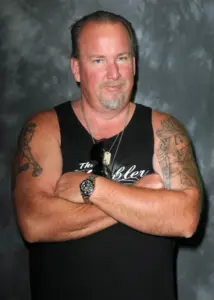
In reflecting on his legacy, it is important to separate the on-screen character from the full human life behind it. While audiences remember him for his bold bidding style and memorable presence on Storage Wars, his personal story also includes resilience through medical crises, public reflections on health, and the private challenges that many individuals face away from cameras. These elements together create a more complete understanding of who he was beyond television.
Ultimately, the story of Darrell Sheets serves as a reminder of the distance that can exist between public perception and private reality. Reality television often emphasizes competition, personality, and dramatic moments, but it rarely captures the full emotional and physical struggles that individuals may experience off-screen. In remembering him, many are left with both the image of “The Gambler” and the more complex reality of a man who lived through significant highs and difficult personal battles.
If there is a broader takeaway from his story, it may be the importance of looking beyond surface impressions. Public figures, like anyone else, carry experiences that are not always visible. Their lives can include resilience, vulnerability, success, and struggle all at once. In that sense, his story extends beyond entertainment and becomes a reflection on how easily public identity can differ from personal reality.
If you or someone you know is struggling or in emotional distress, it is important to seek support from local crisis services or trusted professionals in your area.