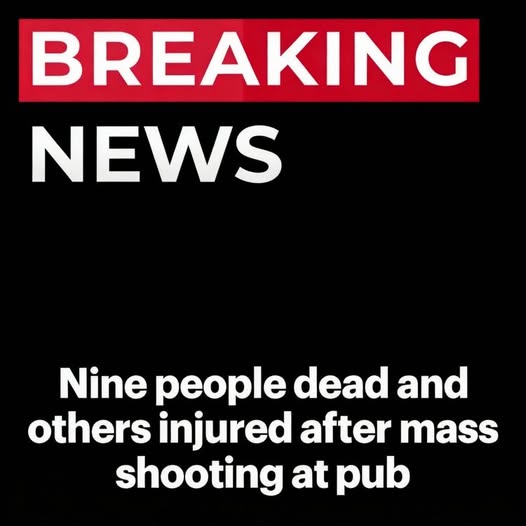
Among the nine fatalities was a driver for a prominent online ride-hailing service who had simply been in the area to complete a fare. His death serves as a chilling testament to the random, predatory nature of the assault—a life extinguished not because of an ongoing feud or personal vendetta, but because of the sheer misfortune of being in the wrong place at the wrong time. Authorities have emphasized that there was no known confrontation preceding the shooting; the victims were targeted while engaged in the most mundane of human activities: talking, waiting for rides, and enjoying the night air.
In the wake of the gunfire, the streets of Bekkersdal were a scene of desperate chaos. Emergency medical services arrived to find a landscape of trauma, with survivors suffering from a range of gunshot wounds. The injured were stabilized on-site before being rushed to nearby provincial hospitals, where many remain in critical condition. Meanwhile, the community has been left to grapple with the psychological aftershocks of the event. For many residents, the primary emotion is a suffocating sense of vulnerability. “The night no longer belongs to us,” one resident remarked, echoing a sentiment felt by many who now fear that the simple act of stepping outside after dark carries a potential death sentence.
The frustration in Bekkersdal is compounded by a sense of grim familiarity. Community members have noted that the staccato rhythm of gunfire has become an increasingly common background noise in their lives, an audible reminder of the lawlessness that stalks the periphery of their neighborhoods. Business owners, too, are reeling, fearing that the persistent threat of violence will destroy the local economy by driving patrons away and forcing establishments to close their doors early. There is a growing demand for more than just a police presence; there is a demand for a fundamental restoration of order.
The South African Police Service (SAPS) has responded by deploying specialized units to lead a high-priority investigation into the massacre. Detectives are currently reviewing surveillance footage from the area and interviewing dozens of witnesses in hopes of identifying the two vehicles used in the getaway. Provincial authorities have characterized the shooters as a highly organized and dangerous cell, urging the public to provide any information that could lead to an arrest. “This was a coordinated act of cowardice,” a police spokesperson stated during a press briefing, “and we will utilize every resource at our disposal to ensure these individuals face the full weight of the law.”
However, for many critics and civil society organizations, the shooting is emblematic of a much larger, systemic crisis. South Africa has struggled for decades with high rates of violent crime, and attacks on social venues have become a disturbing trend. These “tavern shootings,” as they are often termed in local media, follow a pattern of high-caliber weapons being used to inflict maximum casualties in confined public spaces. Despite stringent firearm regulations on the books, the sheer volume of illegal weapons circulating in the country remains a primary driver of the homicide rate.
This latest tragedy has prompted renewed calls for a multifaceted approach to crime prevention. Experts argue that while increased police patrols are necessary, they are merely a sticking point on a much deeper wound. To truly address the violence, the government must confront the root causes: high unemployment, the erosion of social cohesion, and the perceived lack of consequences for violent offenders. There is also a push for closer cooperation between law enforcement and community policing forums, empowering residents to take an active role in reclaiming their streets from the gangs and syndicates that currently hold them hostage to fear.
As the families of the nine victims begin the agonizing process of planning funerals, the atmosphere in Johannesburg remains somber. The Bekkersdal shooting has become a symbol of a nation at a crossroads, where the desire for a normal, peaceful life is constantly threatened by an undercurrent of volatility. The “ordinary gathering” that ended in such extraordinary loss is a reminder of the human cost of every statistic. Each of the nine lives lost represented a future, a family, and a thread in the fabric of the community that has now been permanently severed.
In the coming days, as the investigation proceeds, the eyes of the country will be on the South African justice system. The hope is that the perpetrators will be brought to justice swiftly, providing some small measure of closure to the bereaved. Yet, beyond the courtroom, the deeper hope is for a shift in the national narrative—a move toward a future where a quiet night out in a township does not end in a headline about a massacre. For now, the people of Bekkersdal wait in the shadows, mourning their dead and hoping that this tragedy will finally be the catalyst for the change they so desperately need.