What Red Spots in Eggs Really Mean and Whether They Are Safe to Eat
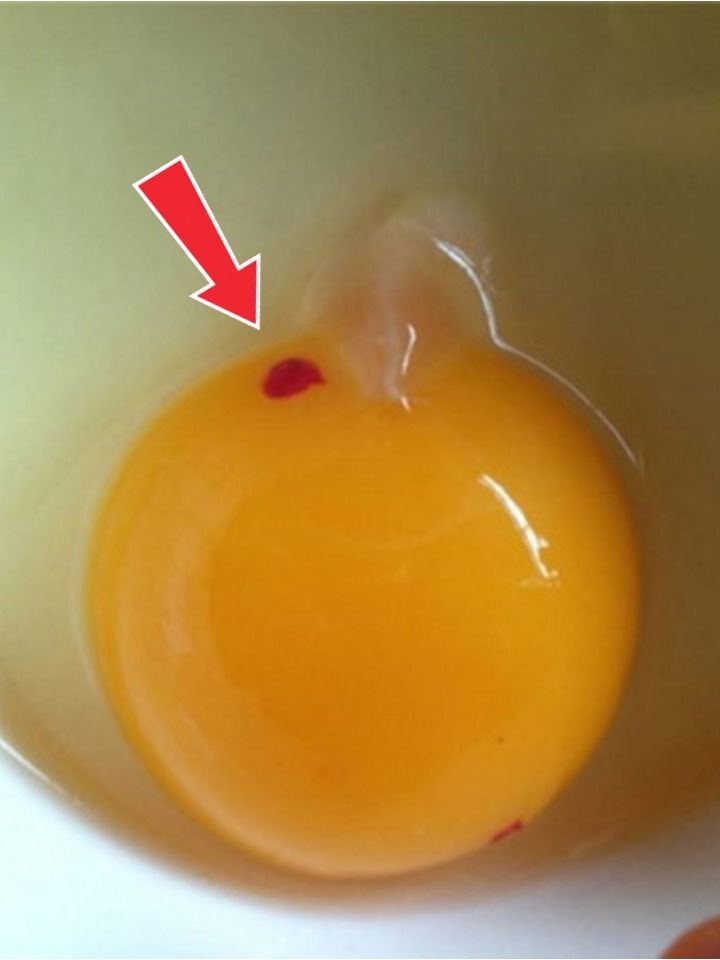
That tiny red or dark spot you sometimes notice when cracking open an egg can be unsettling, especially if you are not sure what it means. However, in most cases it is completely harmless. The spot is almost always the result of a minuscule blood vessel breaking as the egg forms inside the hen. This can happen during ovulation, much like a tiny bruise. It does not indicate that the egg is fertilized, spoiled, or unsafe. Fertilized eggs look no different from unfertilized ones at the grocery store, and that small mark has nothing to do with whether a chick would ever develop.
Modern egg screening catches most of these tiny imperfections, which is why they are less common than in the past. Still, some make it through, and when they do, the egg remains just as nutritious and safe as any other, especially once it is thoroughly cooked. If the appearance bothers you, you can simply lift the spot out with the tip of a spoon and continue cooking. The taste, texture, and nutritional value of the egg will not be affected.
Understanding this distinction can prevent a great deal of unnecessary food waste. Many people throw away eggs the moment they see a spot, believing it signals danger. In reality, the presence of a small red or dark speck is a cosmetic flaw rather than a health concern. Learning what truly indicates spoilage is far more important for protecting your health.
The most reliable sign of a bad egg is smell. A spoiled egg releases sulfur compounds that produce a strong, unmistakable odor often described as rotten. This smell will be obvious the moment you crack the shell. No amount of cooking will make an egg with that odor safe to eat, and it should go straight into the trash. Another warning sign is unusual coloring in the egg white. If you see pink, green, or iridescent tones spreading through the whites, this suggests bacterial contamination and the egg should not be used.
Texture also matters. Fresh egg whites are relatively thick and slightly cloudy, while older eggs develop thinner, more watery whites. Cloudiness alone does not mean the egg is bad, as it can actually indicate freshness, but an overall off appearance combined with odd colors or odors should always be treated as a sign of spoilage. When in doubt, trust your senses rather than the printed date on the carton.
Storage plays a major role in keeping eggs safe. Eggs should be refrigerated as soon as possible after purchase and kept in their original carton to protect them from absorbing odors and moisture. Avoid leaving eggs out on the counter for long periods, as temperature changes can allow bacteria to grow more quickly. Proper storage extends freshness and reduces the chances of spoilage.
By learning the difference between harmless imperfections and real warning signs, you not only protect your health but also your budget. Eggs are a staple in many kitchens, and throwing away perfectly good ones out of fear adds up over time. With a little knowledge and attention, you can confidently use most eggs you crack open, even when they are not visually perfect.
In the end, that tiny spot is just a reminder that eggs are natural products, not factory made objects. Imperfections happen, and most of the time, they mean nothing at all. Knowing this allows you to cook with confidence and enjoy many breakfasts that might otherwise have been wasted.