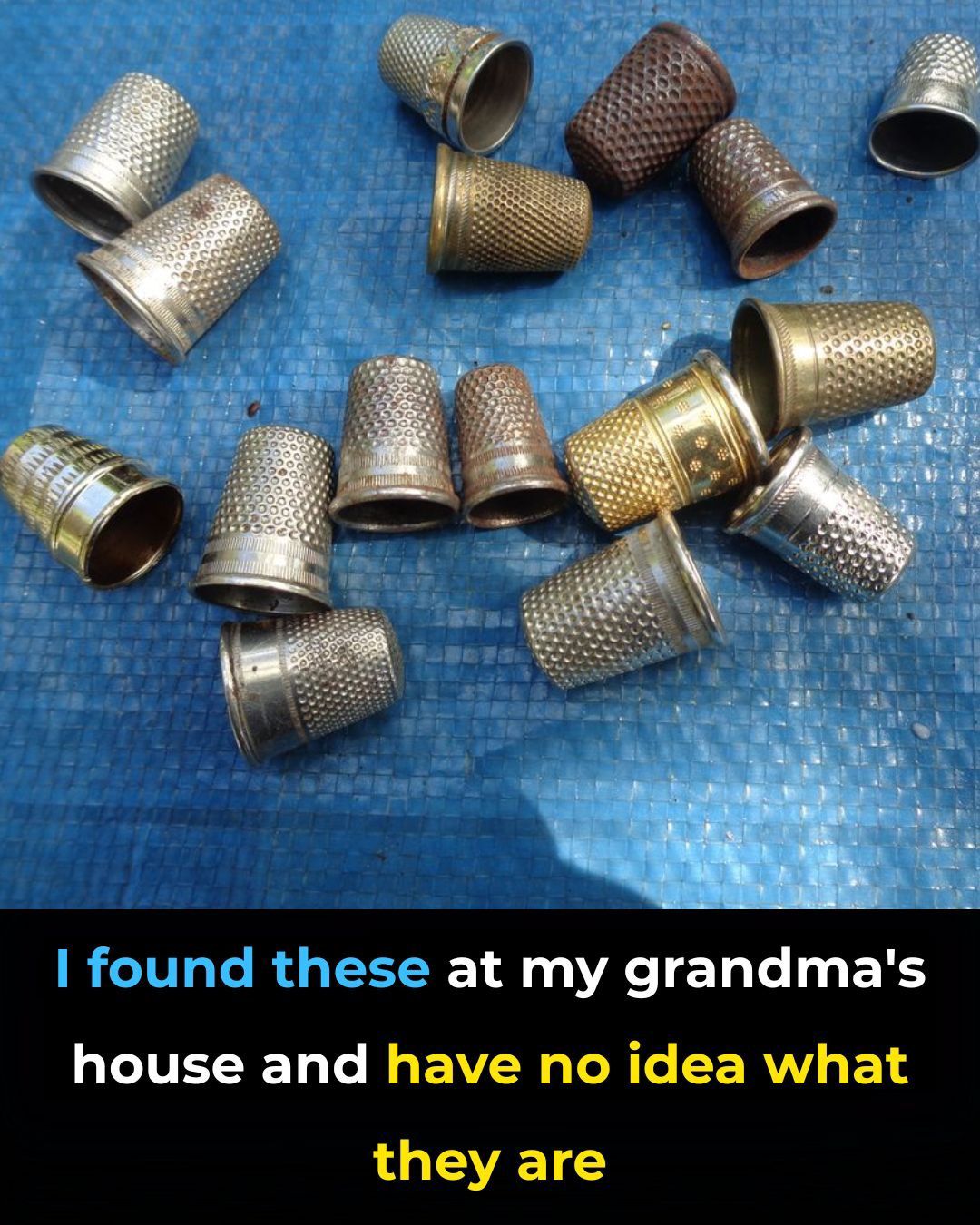
So this is what it does, here is the answer
In the age of high-speed industrial looms and computerized sewing machines, the smallest tool in the tailor’s kit—the thimble—remains an unshakable essential. Often overlooked as a mere trinket or a Monopoly game piece, the thimble is a marvel of ergonomic engineering that has protected human hands for millennia. From its origins as the “thumb bell” to its status as a Victorian heirloom, the thimble tells a story of human ingenuity, protecting the skin while allowing the hand to conquer the most stubborn of materials.
The Anatomy of Protection
A thimble’s primary function is deceptively simple: it acts as a shield.1 By providing a hard, often pitted surface, it allows the sewer to apply significant force to the blunt end of a needle without risking a puncture wound.
Why the “Pits” Matter:
If you look closely at a metal thimble, you will notice a series of small indentations or “dimples.” These are not merely decorative; they are designed to catch the end of the needle, preventing it from slipping and causing injury during a heavy push through dense fabrics like denim or leather.3
| Material | Best Use Case | Key Benefit |
| Metal (Steel/Brass) | Heavy-duty tailoring, leatherwork | Maximum durability and “pushing” power. |
| Leather | Quilting, delicate hand-sewing | Breathable and molds to the finger’s shape. |
| Open-Top (Tailor’s) | High-speed sewing, long fingernails | Allows the fingertip to feel the fabric. |
| Silicone/Resin | Casual sewing, beginners | Lightweight and provides a modern, non-slip grip. |
A Journey Through Time: From Bone to Gold
The history of the thimble is a timeline of human civilization. Archeologists have uncovered thimbles made of bone and ivory in ancient Chinese tombs and Roman settlements, proving that as long as we have been wearing clothes, we have been protecting our fingers.
-
The Status Symbol: By the 17th century, the thimble moved from the workbox to the jewelry box. Wealthy European families commissioned thimbles made of solid gold and silver, often encrusted with gemstones. These weren’t just tools; they were dowry items and symbols of a woman’s skill and status.
-
The Etymology: The word itself is a linguistic evolution of “thumb bell,” a nod to the earliest versions that were worn exclusively on the thumb to handle heavy sailcloth and leather.4
Choosing Your Shield: Modern Variations
Not all thimbles are created equal. Depending on your craft, the “perfect fit” can vary wildly:
-
The Closed-Top: The traditional choice for general sewing, offering 360-degree protection for the fingertip.
-
The Tailor’s Thimble: Open at the top, this allows for better ventilation and is favored by professionals who use the side of their finger to push the needle.
-
The Quilter’s Ring: A textured metal band worn lower on the finger, designed for the repetitive, rhythmic “rocking” motion required to stitch through multiple layers of fabric and batting.
Expert Tip: To find your size, the thimble should fit snugly enough that it doesn’t fall off when you point your finger down, but loosely enough that it doesn’t throb with your heartbeat.
The Enduring Companion
Whether it is a cheap plastic version found in a travel kit or a sterling silver heirloom passed down from a grandmother, the thimble remains an indispensable bridge between the hand and the needle. It is a reminder that even in a digital world, the most profound creations still begin with a single, protected stitch.