1 search result for “Sleeping on Your Left Side: The Unexpected Benefit for Your Heart, Digestion, and Brain”
For most of us, sleep is a passive endeavor—a simple matter of finding the most comfortable spot and drifting off. However, a growing body of research suggests that the geometry of our slumber is far from trivial. While conventional wisdom says you should sleep however you feel best, specific ailments like chronic back pain, poor digestion, and even cognitive fog may be direct results of your nocturnal positioning. If you are struggling with these symptoms, medical experts suggest a strategic shift: turning onto your left side. Here is an in-depth look at how this specific orientation impacts the body’s internal systems, and how to make the transition if you’re a lifelong back or stomach sleeper.
The Physiological Perks of the Left Side
The human body is not symmetrical, and our internal organs are arranged in a way that makes the left side particularly advantageous for several vital functions.
-
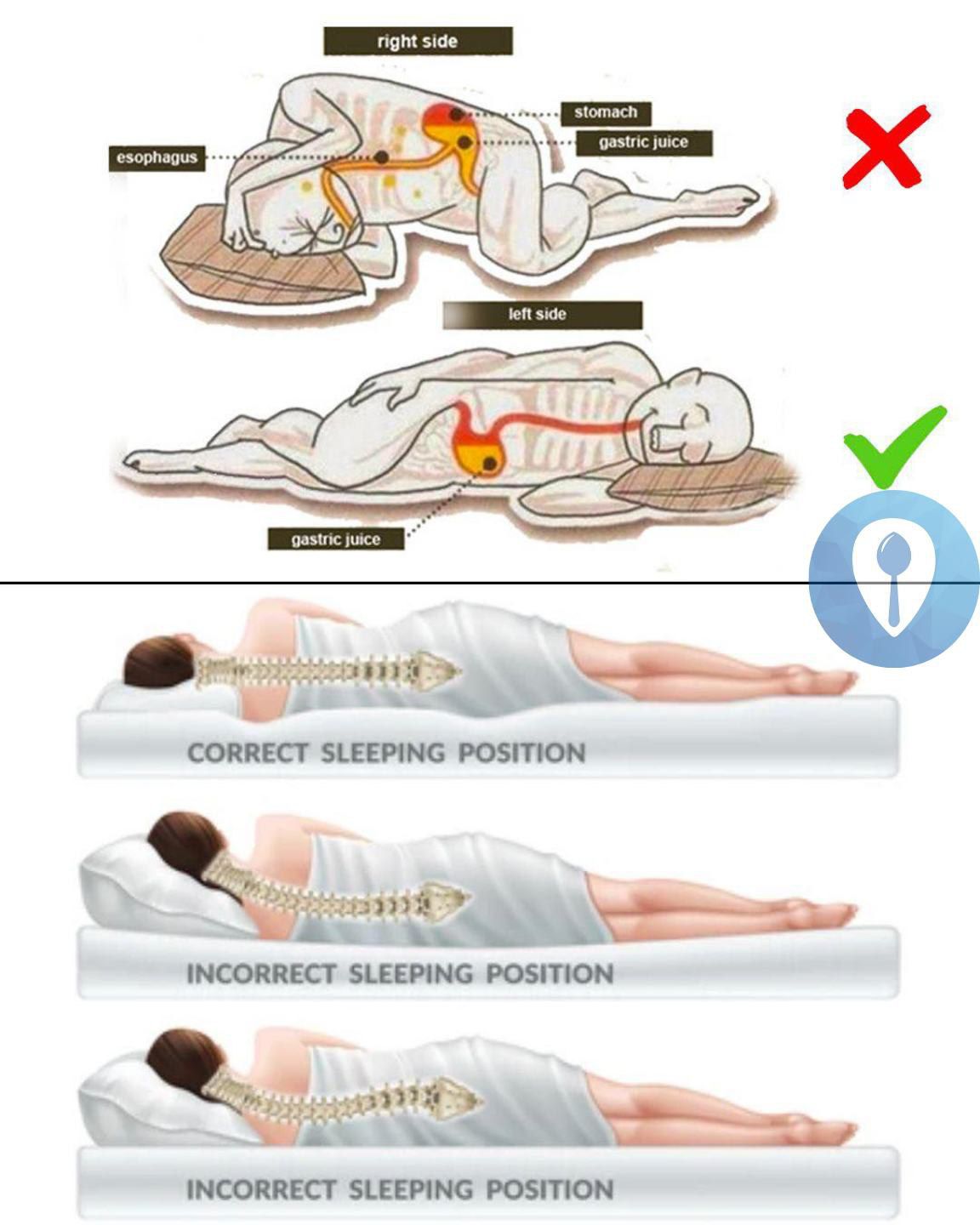
Spinal Relief and Back Pain Reduction: Sleeping on the stomach often forces the spine into an unnatural arch, placing undue pressure on the vertebrae. Conversely, side sleeping allows the spine to maintain a naturally straight alignment, significantly alleviating lower back tension.
-
A Natural Remedy for Snoring and Apnea: When you sleep on your back, gravity pulls the tongue and soft palate backward, partially obstructing the airway. This is a primary trigger for snoring and a significant risk factor for those with sleep apnea. By shifting to the side, the tongue remains forward and the airway stays clear.
-
Gravity-Assisted Digestion: Because the stomach is anatomically situated on the left side of the body, resting in this position allows gravity to assist in moving waste through the digestive tract. This can mitigate common gastrointestinal issues such as bloating, constipation, and the dreaded nighttime heartburn.
-
Neurological Waste Clearance: Perhaps most fascinating is the impact on brain health. Emerging animal studies suggest that side sleeping supports the glymphatic system—the central nervous system’s equivalent of the lymphatic system. This system works during sleep to flush out metabolic waste. While more human research is required, scientists believe this “brain cleaning” could potentially lower the risk of neurodegenerative diseases like Alzheimer’s and Parkinson’s.
-
Enhanced Maternal Circulation: For pregnant women, left-side sleeping is often the clinical standard. This position optimizes blood flow to the placenta and ensures the fetus receives a steady supply of nutrients and oxygen.
Training Your Body for the Shift
Transitioning to a new sleep position requires more than just willpower; it requires the right equipment and a few tactical “hacks.”
1. Optimize Your Gear Standard pillows may not suffice. You need a firm pillow that fills the gap created by your collarbone structure to support the neck. Furthermore, your mattress should have enough “give” to prevent pressure points from forming at the shoulders and hips, though it must remain supportive enough to keep the spine aligned.
2. The “Pillow Barrier” Technique
-
Knee Support: Placing a pillow between the knees prevents the upper leg from pulling the spine out of alignment and supports the hips.
-
The Hug: Holding a pillow against your chest provides a resting place for the upper arm, preventing shoulder collapse.
-
Body Pillows: Long, cylindrical pillows act as physical barriers to keep you from rolling onto your back or stomach.
3. The Tennis Ball Trick A classic piece of sleep hygiene advice involves sewing a tennis ball into the back of a sleep shirt. If you attempt to roll onto your back, the discomfort of the ball will nudge you back to your side without fully waking you.
4. The Couch Method If you find yourself constantly rolling over in a wide bed, try spending a few nights on a narrow couch. The limited space naturally encourages side sleeping and helps the body acclimate to the new position.
The Caveats: When Side Sleeping Fails
Despite the benefits, side sleeping is not a universal panacea. There are specific instances where it may prove counterproductive:
-
Joint Pressure: If your mattress is too firm, side sleeping can lead to localized pain in the hips and shoulders. Conversely, a mattress that is too soft can cause the spine to sag, leading to morning stiffness.
-
Facial and Sinus Pressure: For those suffering from acute sinus congestion or glaucoma, the lateral position can increase pressure in the face and eyes. It may also exacerbate symptoms for individuals with Temporomandibular Joint (TMJ) disorders or a chronically tight jaw.
Ultimately, while the left side offers a host of systemic advantages, the goal remains a restorative night’s rest. If a change in position leads to new pains, it may be time to consult a specialist to find the perfect balance for your unique anatomy.