1 search result for “This Is What It Really Means (Spoiler: You’re Loved & Claimed!)”
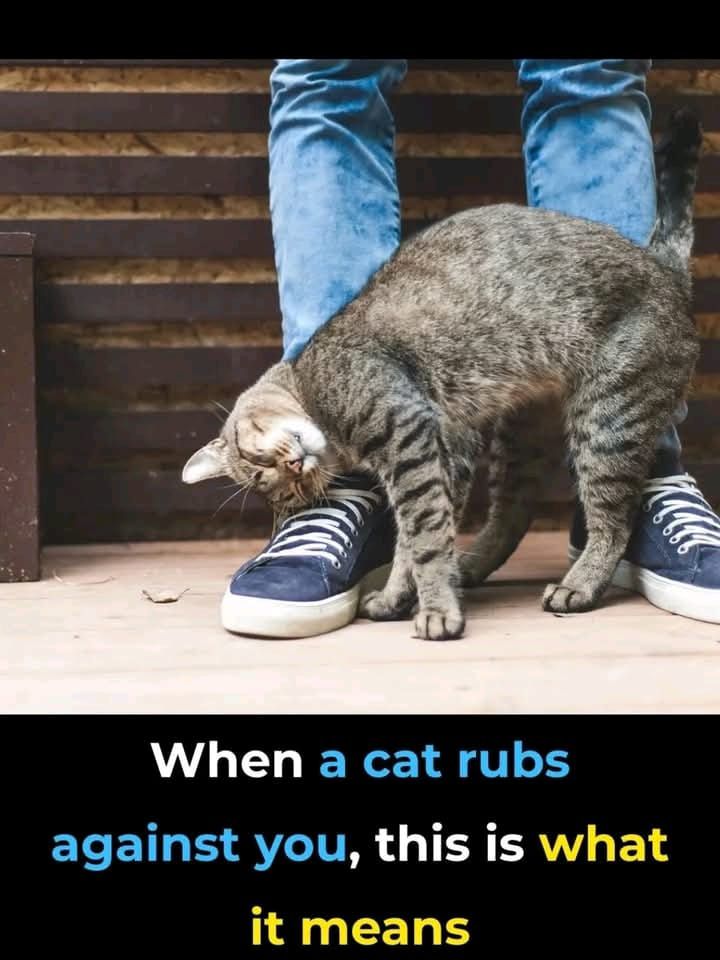
You walk through the front door after a long shift, and before you can even drop your keys, the ritual begins. Your cat appears as if from thin air, weaving a rhythmic figure-eight around your ankles, head-butting your palm with a soft thud, and vibrating with the low hum of a well-tuned engine. Perhaps the encounter happens in the kitchen, where they sidle up while you’re mid-prep, pressing a cheek against your forearm like a furry, living Post-it note. To the casual observer, it’s a sweet, grounding moment of domestic bliss. But if you’ve ever stopped to ask yourself, “Why exactly does my cat do this?” you’re tapping into a complex ancestral dialogue. That physical nudge isn’t just a request for a snack or a simple display of affection; it is a sophisticated blend of communication, territorial marking, and profound social trust. Here is the breakdown of what your feline is actually whispering when they nudge, bump, or engage in a full-body roll against you.
“You’re Mine, and You’re Safe”: The Science of Scent
When a cat rubs their face or body against you, they are engaging in a behavior biologists call bunting (specifically when using the head) or allorubbing (when using the body).
Contrary to their reputation for being aloof, this is one of the highest compliments a cat can bestow. By doing this, they are effectively telling you:
“I trust you. You belong to my inner circle. And I’m marking you with my signature scent so the rest of the world knows it.”
Cats possess scent glands located in their cheeks, forehead, chin, and at the base of their tail. When they rub against you, they are depositing pheromones—chemical “ID tags” that signal comfort and familiarity. It is their way of claiming you as a safe, permanent fixture in their territory.
The 4 Pillars of the Feline Rub: A Behavioral Guide
1. The High-Energy Greeting: “You’re Finally Home!”
Cats lack the human hardware for handshakes or hugs. Instead, they use physical contact to re-establish a social bond after a period of separation.
If your cat greets you at the door with a high, quivering tail and a series of leg-winds, they are performing a “reunion ritual.” This is their version of a warm embrace, signaling genuine relief and happiness at your return. Interestingly, this isn’t reserved solely for owners; friendly strays may use this tactic to greet kind strangers, though feline behavioral experts always advise respecting a cat’s boundaries before reaching down to reciprocate.
2. Social Reinforcement: The “Colony” Connection
In multi-cat households or feral colonies, cats frequently rub against one another. This “allorubbing” serves as a social glue, creating a communal “group scent.” By rubbing against you, your cat is acknowledging that you are a vital member of their pride, reinforcing the hierarchy and the harmony of the home.
3. Information Gathering
When you return from the outside world, you are covered in a library of unfamiliar smells—other animals, cars, and different environments. By rubbing against you, your cat is effectively “reading” your day while simultaneously overwriting those foreign scents with their own familiar pheromones.
4. Direct Communication
Sometimes, a rub is simply a tactical move. If a cat rubs against your legs near their food bowl or during their usual playtime, they are using physical contact to grab your attention. It’s a gentle, non-verbal nudge to remind you of your “duties” as a provider.
The Takeaway
The next time your cat initiates a head-butt, remember that it is a gesture rooted in deep-seated survival instincts and emotional bonds. It is a sign of a secure animal who feels safe enough to share their world—and their scent—with you.