Federal Agents Shoot Armed Suspects in Portland as State Democrats Rush to Blame ICE
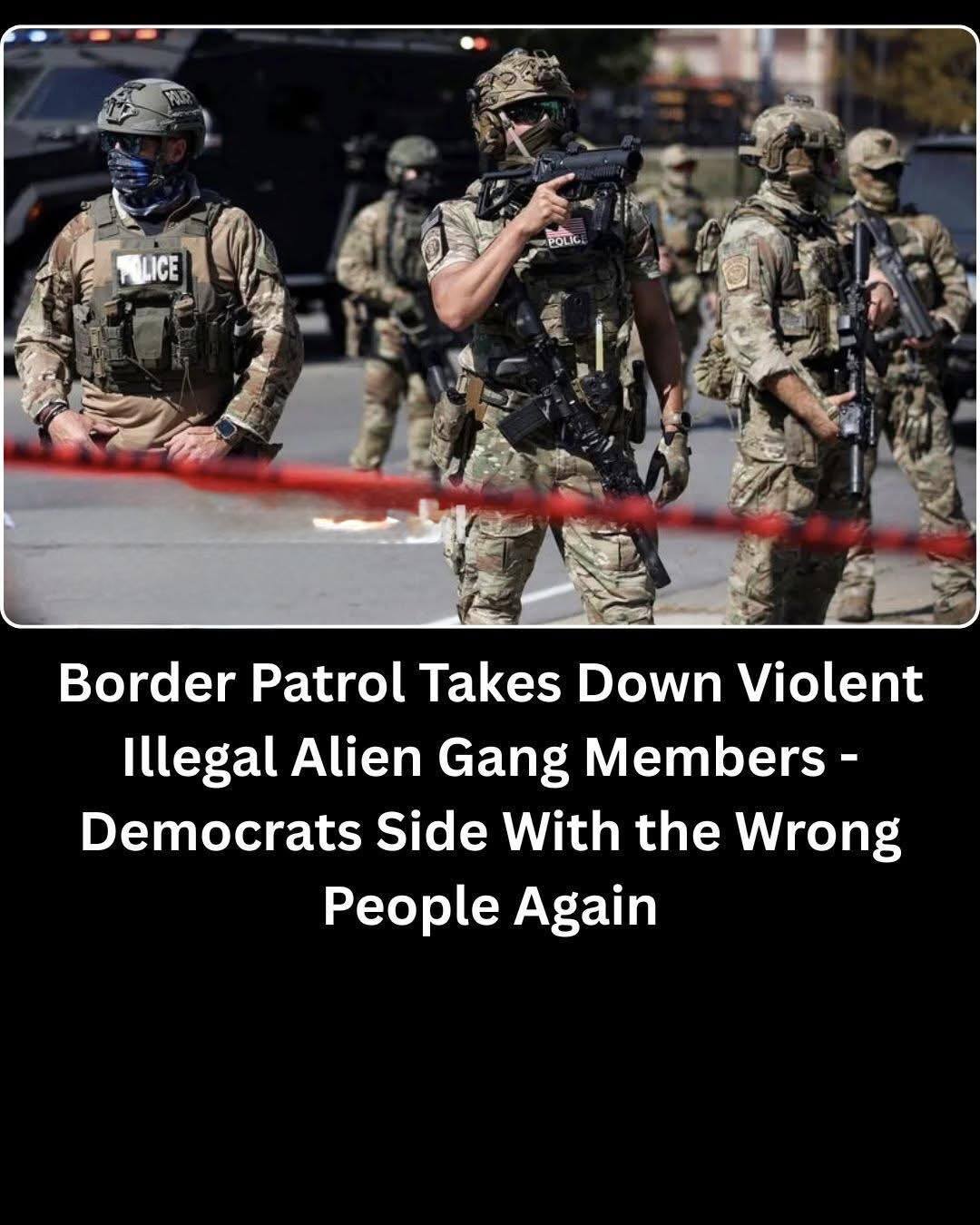
Blood hit the pavement before facts reached the microphones. Within hours of a federal shooting in Portland, outrage exploded across social media and cable news, with politicians condemning ICE, the Trump administration, and so-called “militarized” immigration raids—despite uncertainty over who was actually involved.
As anger spread, assumptions hardened. The incident was framed as another example of aggressive immigration enforcement, even as basic details remained unclear. Fury moved faster than verification, and the first narrative quickly took hold.
Investigators later confirmed that Customs and Border Protection—not ICE—was responsible for the Hazelwood operation. By then, the correction barely mattered. The story had already settled into public consciousness.
Portland’s mayor had invoked federal “militarization,” threatened legal action, and tied the shooting to national immigration policy before knowing who fired, why weapons were drawn, or whether agents faced an immediate threat.
Local police, wary of backlash in a sanctuary city, rushed to distance themselves from immigration enforcement entirely. Federal officials, meanwhile, urged restraint and called for a full review of body-camera footage and forensic evidence.
This rush to condemn was not an isolated failure. It echoed the Minneapolis shooting weeks earlier, where early claims unraveled after video evidence surfaced and contradicted initial accusations.
In Portland, the mistake exposed something deeper than miscommunication. Immigration enforcement has become a political symbol first and a fact pattern second, with narratives drafted before investigations begin.
The result is a dangerous cycle: federal officers labeled villains before evidence is reviewed, public trust eroded by premature claims, and truth struggling to catch up once outrage has already decided the outcome.