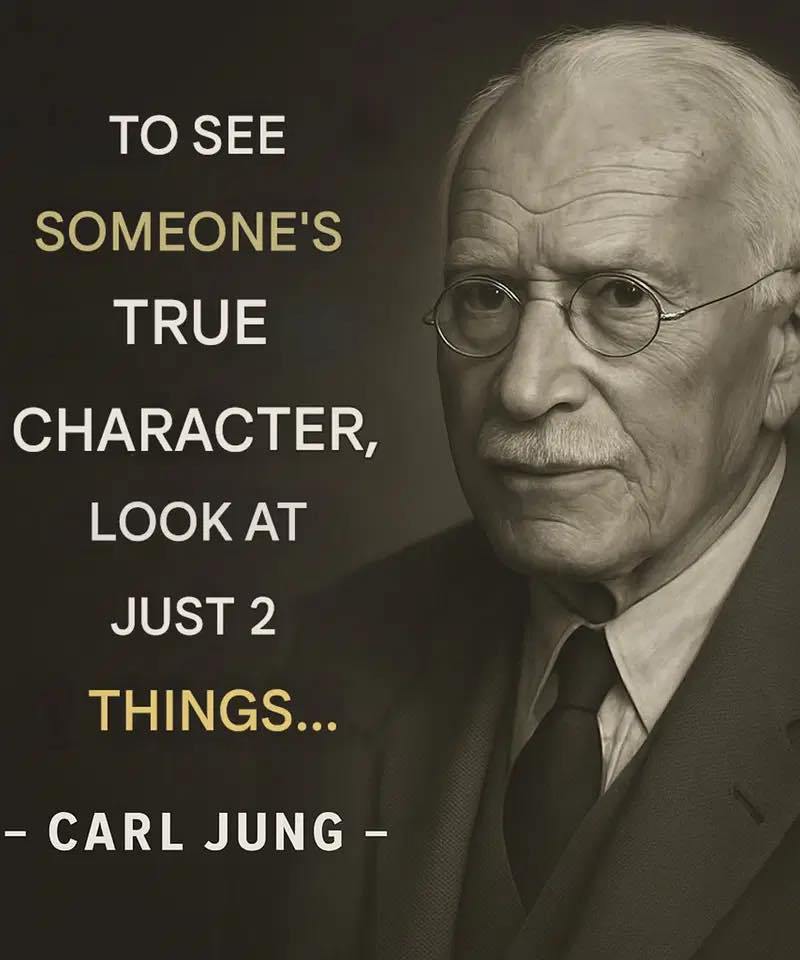
How to Recognize True Character: The Two Signs That Reveal Everything
In the theater of human interaction, we are all, to some degree, performers. We navigate our professional and social spheres wearing masks of reliability, kindness, and poise. Yet, any seasoned observer of the human condition knows that the surface is rarely the whole story. True character is not found in the practiced monologue or the polished LinkedIn profile; it is hidden in plain sight, tucked away behind polite greetings and carefully curated smiles. The remarkable truth, however, is that you do not need a decade of friendship to unmask the reality of a person. Armed with the wisdom of experience and a keen eye for the “unguarded moment,” it is possible to decipher a person’s true nature in a matter of minutes. This is not a new concept. Carl Jung, the Swiss psychiatrist who fundamentally remapped the modern psyche, posited that character is most vividly revealed when our “persona”—the social mask we wear—slips. Jung’s insights suggest that when the guard is down, the soul speaks. By focusing on two seemingly small but psychologically profound markers, we can bypass the theater of personality and cut straight to the core.
Why the Micro-Moment Outshines the Grand Gesture
It is easy to be a saint when the sun is shining and the audience is applauding. Anyone can simulate generosity when there is a tax break involved or a camera rolling. But real integrity is not a performance; it is a default setting. It manifests in the quiet, “unimportant” details—the choices made when there is no reward, no witness, and no reason to pretend.
1. The “Powerless” Litmus Test
The first and perhaps most definitive indicator of character is how an individual interacts with those who can offer them absolutely nothing in return.
Watch how a person treats the waiter who fumbles an order, the janitor mopping the hallway, or the stranger asking for directions. When someone extends genuine respect to those in service roles, they are demonstrating a core of empathy that transcends status. They are acknowledging a shared humanity that isn’t contingent on a bank balance or a title.
Conversely, the person who is charming to a CEO but dismissive or cruel to a cashier is revealing a fundamental flaw: arrogance masked by opportunism. Older generations understood this intuitively. They knew that kindness isn’t a currency to be spent only on those who can pay you back; it is a universal debt we owe to one another.
2. The Frustration Index
The second clue lies in the reaction to adversity. Jung reminded us that character is not forged in comfort; it is revealed in crisis. Life is a series of inevitable frictions—pharmacy lines that move too slowly, missed flights, and botched orders.
Does the individual lash out and hunt for someone to blame? Do they snap at their family when the workday is long? Or do they maintain their equilibrium, acknowledging that mistakes are human? A person’s ability to remain balanced in the face of frustration speaks volumes about their emotional maturity and humility. It separates the resilient from the fragile.
The Subtle Language of Daily Behavior
While Jung’s primary pillars provide the foundation, a ten-year veteran of the “people beat” knows there are other subtle frequencies to tune into.
-
The Anatomy of Humor: Laughter is a window. Humor that uplifts and connects points to a secure spirit. In contrast, humor that relies on biting sarcasm or “punching down” often masks deep-seated bitterness or insecurity.
-
The “Empty Room” Test: Pay attention to how people discuss those who aren’t present. Persistent gossip and judgment of the absent usually indicate a person who is profoundly dissatisfied with themselves.
-
The Gift of Listening: In a world that won’t stop talking, genuine listening is a rare act of respect. A person who doesn’t dominate the conversation or wait merely for their turn to speak demonstrates high emotional intelligence.
-
The Weight of Authority: Observe someone with a modicum of power. Whether leading a boardroom or a family dinner, power acts as a magnifying glass. It brings out either a person’s inherent generosity or their latent cruelty.
Character in a Filtered Age
We live in an era of the “curated self,” where social media allows us to filter our flaws and stage our virtues. But character remains the one thing that cannot be photoshopped. It leaks out in the way we react to a cold cup of coffee or a crying child.
For those of us in the later chapters of life, these truths are more than psychological theories—they are the hard-won lessons of experience. We have seen relationships collapse when the “storm” finally hit, and we have seen strangers display breathtaking decency when they had every reason to walk away.
The Wisdom of the Long View
Ultimately, Carl Jung’s advice serves as a compass. As we grow older, we learn to stop listening to what people say about themselves and start watching what they do when they think no one is looking.
This isn’t just about vetting others; it is a mirror for ourselves. Every day, in the pharmacy line or the doctor’s office, we are writing our own character sketches. True worth isn’t found in titles or speeches; it shines quietly in the patience we show a stranger and the calm we maintain when the road gets hard.
If you want to know the truth about someone, don’t look at the mask. Look at the man when the mask slips.