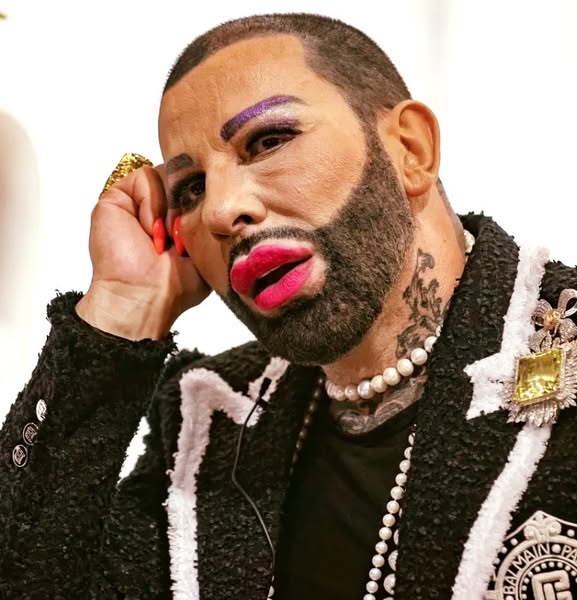
7 habits of people who look much younger than their age, even at 70!
The phenomenon of the “ageless” individual—someone who reaches their 70s while maintaining the vitality and appearance of someone decades younger—is rarely the result of a single miracle product or a roll of the genetic dice. While we often look for secrets in expensive jars or surgical interventions, the reality is far more grounded. Observation and longitudinal studies into longevity suggest that looking young is an external manifestation of internal health. Those who defy the conventional timeline of aging do so through a series of intentional, daily habits that nourish the body at a cellular level and the mind at an emotional one. By examining these seven core behaviors, we can uncover a blueprint for flourishing well into the later stages of life.
The first and perhaps most visible habit of the ageless is the commitment to daily movement. For these individuals, exercise is not a grueling chore relegated to a gym; it is a fundamental part of their lifestyle. Whether it is a brisk morning walk, tending to a garden, or practicing yoga, the key is consistency. Physical activity does more than just maintain a healthy weight; it stimulates blood circulation, which delivers oxygen and essential nutrients to the skin, giving it a natural, healthy glow. More importantly, research, including studies from McMaster University, has shown that regular exercise can actually reverse skin aging at a cellular level, making the skin of a 40-year-old active person resemble that of someone in their 20s. By preserving muscle mass and joint flexibility, daily movement ensures that the body’s posture remains upright and energetic, which is a primary visual cue of youth.
Dietary habits also play a decisive role in how the passage of time is written on the face. Those who age well tend to avoid the “yo-yo” cycles of fad diets, opting instead for a consistent intake of real, colorful foods. A plate filled with vibrant vegetables and fruits—such as deep leafy greens, bright berries, and orange sweet potatoes—is essentially a dose of high-potency antioxidants. These compounds are critical for neutralizing free radicals, the unstable molecules that damage cells and accelerate the formation of wrinkles and age spots. Furthermore, these individuals prioritize healthy fats found in olive oil, nuts, and avocados, which maintain the skin’s lipid barrier, keeping it plump and hydrated. They view hydration not as a task, but as a necessity, understanding that water is the most effective “plumping agent” available for maintaining skin elasticity.
One of the most profound, yet often invisible, factors in premature aging is chronic stress. When we are constantly in a state of “fight or flight,” our bodies produce an excess of cortisol. This hormone is notoriously destructive to collagen and elastin—the structural proteins that keep skin firm and prevent sagging. Beyond the skin, stress attacks the very caps of our DNA, known as telomeres. Shorter telomeres are directly linked to a shorter lifespan and faster cellular decay. People who appear younger than their years have mastered the art of “the exhale.” They utilize stress-management techniques such as meditation, journaling, or simply spending time in nature to protect their inner peace. By lowering their cortisol levels, they allow their bodies to focus on repair rather than defense, effectively slowing the biological clock.
Sleep is another non-negotiable pillar of the ageless lifestyle. While modern culture often celebrates the “hustle” and minimal sleep, the body views sleep as its primary window for restoration. During deep sleep, the brain flushes out metabolic waste, and the body’s growth hormones work to repair damaged tissues and build new collagen. Depriving oneself of this sacred time results in more than just dark circles; it leads to a dull complexion and a loss of skin “snap.” Those who age gracefully treat their bedrooms as sanctuaries, limiting blue light exposure and maintaining a regular sleep schedule. They understand that a well-rested face is inherently a younger face, radiating a clarity and brightness that no concealer can truly replicate.
Social vitality is a frequently overlooked component of longevity. People who look much younger than their age often maintain diverse, intergenerational social circles. By spending time with younger people—grandchildren, students, or younger colleagues—they are exposed to new ideas, current energy, and a different pace of life. This interaction prevents the “mental stagnation” that often accompanies aging. Coupled with this is the habit of frequent laughter. Laughter is a powerful physiological tool; it reduces stress hormones, improves immune function, and relaxes the muscles of the face. While “smile lines” may eventually appear, the overall radiance and warmth that come from a joyful spirit create an impression of youth that transcends the number of wrinkles on the skin.
A youthful appearance is also deeply tied to a youthful mind. Curiosity is the fuel that keeps a person “bright-eyed.” Whether it is learning a new language, picking up a musical instrument, or traveling to unfamiliar destinations, the act of learning keeps the brain’s neuroplasticity intact. When a person remains a student of life, they maintain a sense of wonder and forward momentum. This prevents the bitterness or “closed-off” energy that can make a person appear tired and old. A Harvard study has confirmed that those who remain mentally and socially engaged retain their cognitive autonomy and overall well-being far longer than those who retreat into a passive lifestyle.
Finally, the most paradoxical habit of those who look young is that they are not obsessed with looking young. There is a specific kind of aging that occurs when a person lives in fear of a wrinkle. This anxiety creates a strained, “over-worked” appearance that often has the opposite of the intended effect. Truly ageless individuals embrace self-acceptance. They take care of themselves out of respect for their bodies, not out of a desperate attempt to hide their history. This inner serenity manifests as confidence and lightness. Research by Becca Levy has shown that individuals with a positive view of aging live, on average, 7.5 years longer than those with a negative outlook. When you are not fighting the clock, you have more energy to enjoy the time you actually have.
In conclusion, the “secret” to looking fifteen years younger at 70 is not found in a laboratory, but in the small, mundane choices we make every day. It is found in the walk taken when you’d rather sit, the water drunk when you’d rather have soda, and the laughter shared when you’d rather be serious. Aging is a natural part of the human journey, but declining is optional. By cultivating a lifestyle of movement, nourishment, peace, and curiosity, we do more than just improve our reflection in the mirror; we ensure that our later years are characterized by a flourishing of the spirit that is visible to everyone we meet.