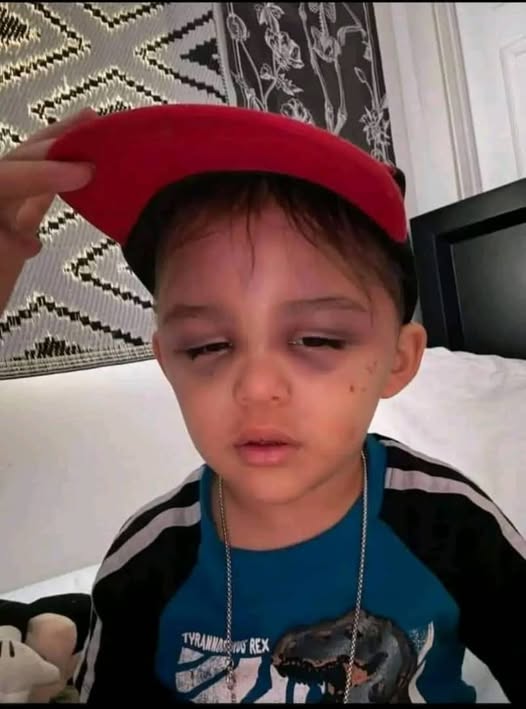
Recognizing Silent Signals: The Importance of Speaking Up to Protect Children
Introduction
Children rely on the adults around them for safety, guidance, and protection. Families, teachers, neighbors, and community members all play a role in creating environments where young people can grow, learn, and thrive. Yet sometimes, situations arise where a child may be facing serious difficulties that are not immediately visible.

In many cases, the warning signs are subtle—changes in behavior, unexplained injuries, emotional withdrawal, or patterns that simply do not seem right. When these signals appear, the response of responsible adults can make a profound difference.
Child protection experts often emphasize that many difficult situations affecting children could be addressed earlier if concerns were reported sooner. When people hesitate to speak up because they are uncertain or uncomfortable, opportunities to provide help may be delayed.
This article explores why early awareness matters, how communities can recognize possible warning signs, and the important role individuals play in supporting the safety and well-being of children.
The Hidden Nature of Child Abuse
Child abuse and neglect are complex issues that often remain hidden from public view. Unlike many other forms of harm, abuse within families or close relationships can occur behind closed doors, making it difficult for outsiders to recognize what is happening.
According to research within the field of Child Protection, children experiencing harmful situations may not always feel able to speak openly about their circumstances. They may fear consequences, worry about getting someone in trouble, or simply not understand that what they are experiencing is unsafe.
As a result, the responsibility of recognizing warning signs often falls on adults who interact with children regularly, including:
-
Teachers and school staff
-
Healthcare professionals
-
Coaches and mentors
-
Extended family members
-
Neighbors and community members
Because children may spend large portions of their time in school, institutions such as the United Nations Children’s Fund (UNICEF) and many national child welfare agencies emphasize the importance of community awareness in identifying early signs of distress.
Why Silence Can Become a Barrier to Protection
Many people care deeply about the well-being of children, yet hesitation can still occur when they notice something concerning. Several psychological and social factors contribute to this hesitation.
Fear of Being Wrong
One of the most common reasons people remain silent is uncertainty. They may worry that their concerns could be mistaken or that they might misinterpret a situation.
However, child welfare professionals often emphasize that reporting a concern does not require proof. The purpose of reporting is to allow trained professionals to evaluate the situation and determine whether assistance is needed.
Concern About Interfering
Another common hesitation involves the belief that family matters should remain private. While respect for family privacy is important, the safety of a child must always take priority.
Taking action does not mean accusing someone or making assumptions. In many cases, it simply means alerting professionals who can assess the situation and provide support.
Social Discomfort
Discussing sensitive issues can be uncomfortable. People may avoid raising concerns because they fear creating conflict or awkwardness within their social circles.
Yet many experts note that respectful concern can open the door to solutions that benefit the child and the family.
Early Warning Signs That May Require Attention
Recognizing potential warning signs is an important step in protecting children. While none of these indicators alone proves that abuse is occurring, patterns or combinations of signs may suggest that a child needs additional support.
Some possible indicators include:
Physical Indicators
-
Frequent unexplained injuries
-
Injuries that appear inconsistent with explanations provided
-
Regular complaints of pain without a clear cause
Behavioral Changes
-
Sudden withdrawal from friends or activities
-
Increased anxiety or fearfulness
-
Changes in school performance
-
Difficulty concentrating
Emotional Signals
-
Unusual sadness or emotional distress
-
Excessive worry about making mistakes
-
Reluctance to go home or return to certain environments
Teachers, counselors, and pediatricians often receive specialized training to recognize these patterns. However, community members can also play a role by remaining attentive and supportive.
The Role of Teachers and Schools
Schools are often among the first places where changes in a child’s behavior become noticeable. Educators spend significant time with students and may observe patterns that indicate a child is struggling.
Because of this role, many countries require teachers to serve as mandatory reporters. This means they are legally required to report suspected abuse or neglect to appropriate authorities.
As a result, the responsibility of recognizing warning signs often falls on adults who interact with children regularly, including:
-
Teachers and school staff
-
Healthcare professionals
-
Coaches and mentors
-
Extended family members
-
Neighbors and community members
Because children may spend large portions of their time in school, institutions such as the United Nations Children’s Fund (UNICEF) and many national child welfare agencies emphasize the importance of community awareness in identifying early signs of distress.
Why Silence Can Become a Barrier to Protection
Many people care deeply about the well-being of children, yet hesitation can still occur when they notice something concerning. Several psychological and social factors contribute to this hesitation.
Fear of Being Wrong
One of the most common reasons people remain silent is uncertainty. They may worry that their concerns could be mistaken or that they might misinterpret a situation.
However, child welfare professionals often emphasize that reporting a concern does not require proof. The purpose of reporting is to allow trained professionals to evaluate the situation and determine whether assistance is needed.
Concern About Interfering
Another common hesitation involves the belief that family matters should remain private. While respect for family privacy is important, the safety of a child must always take priority.
Taking action does not mean accusing someone or making assumptions. In many cases, it simply means alerting professionals who can assess the situation and provide support.
Social Discomfort
Discussing sensitive issues can be uncomfortable. People may avoid raising concerns because they fear creating conflict or awkwardness within their social circles.
Yet many experts note that respectful concern can open the door to solutions that benefit the child and the family.
Early Warning Signs That May Require Attention
Recognizing potential warning signs is an important step in protecting children. While none of these indicators alone proves that abuse is occurring, patterns or combinations of signs may suggest that a child needs additional support.
Some possible indicators include:
Physical Indicators
-
Frequent unexplained injuries
-
Injuries that appear inconsistent with explanations provided
-
Regular complaints of pain without a clear cause
Behavioral Changes
-
Sudden withdrawal from friends or activities
-
Increased anxiety or fearfulness
-
Changes in school performance
-
Difficulty concentrating
Emotional Signals
-
Unusual sadness or emotional distress
-
Excessive worry about making mistakes
-
Reluctance to go home or return to certain environments
Teachers, counselors, and pediatricians often receive specialized training to recognize these patterns. However, community members can also play a role by remaining attentive and supportive.
The Role of Teachers and Schools
Schools are often among the first places where changes in a child’s behavior become noticeable. Educators spend significant time with students and may observe patterns that indicate a child is struggling.
Because of this role, many countries require teachers to serve as mandatory reporters. This means they are legally required to report suspected abuse or neglect to appropriate authorities.
Organizations such as the National Child Abuse Hotline in the United States provide guidance and resources for educators and community members who are concerned about a child’s well-being.
When schools work closely with child protection agencies, they can help ensure that children receive appropriate support as quickly as possible.
The Importance of Community Awareness
Protecting children is not solely the responsibility of parents or professionals. Communities also play an important role in creating safe environments.
A supportive community culture encourages individuals to speak up when something appears concerning. This does not involve making accusations but rather ensuring that children have access to help if they need it.
Community awareness initiatives often include:
-
Educational programs about recognizing warning signs
-
Training for volunteers who work with youth
-
Public campaigns encouraging responsible reporting
-
Resources for families experiencing stress
These efforts help create environments where children feel safe and adults feel empowered to take appropriate action.
How Reporting Concerns Helps Children
Reporting concerns about a child’s safety can feel intimidating, but it is often the first step toward providing meaningful assistance.
When a report is made, trained professionals evaluate the information and determine whether further investigation or support services are necessary.
Possible outcomes may include:
-
Providing counseling services for the child
-
Offering support programs for families
-
Conducting professional assessments
-
Connecting families with community resources
In many cases, intervention is not about punishment but about ensuring the well-being of the child and addressing underlying challenges that families may face.
The Role of Child Protection Organizations
Numerous organizations around the world work to protect children and support families. These groups provide education, resources, and professional services designed to prevent harm and promote healthy development.
International organizations such as the United Nations Children’s Fund advocate for children’s rights and encourage governments to strengthen child protection systems.
Local child welfare agencies also play a critical role by investigating reports, providing family support services, and coordinating care with schools and healthcare providers.
Together, these organizations form networks designed to ensure that children receive protection and assistance when needed.
Encouraging Safe and Supportive Conversations
Sometimes, simply listening can make a significant difference for a child. Creating safe opportunities for children to express their feelings helps them know they are not alone.
Adults can support children by:
-
Listening without judgment
-
Taking concerns seriously
-
Encouraging open communication
-
Reassuring them that help is available
If a child chooses to share something troubling, remaining calm and supportive is essential. Avoid making promises that cannot be kept, and seek professional guidance if necessary.
Building a Culture of Protection
Creating safer environments for children requires collective effort. When communities prioritize awareness and support, they create systems that help prevent harm before it occurs.
Several strategies contribute to a culture of protection:
Education
Public awareness campaigns help people recognize warning signs and understand the importance of reporting concerns.
Accessible Resources
Hotlines, counseling services, and support organizations provide confidential assistance to individuals seeking guidance.
Community Engagement
Volunteer programs, youth organizations, and neighborhood initiatives help build supportive networks for families and children.
Strong Legal Frameworks
Laws designed to protect children ensure that appropriate action can be taken when safety concerns arise.
When these elements work together, communities become better equipped to respond to challenges affecting children.
Overcoming the Fear of Speaking Up
Many people hesitate to act because they worry about the consequences of being mistaken. However, child protection experts emphasize that reporting concerns is an act of care, not accusation.
Professionals trained in child welfare are responsible for evaluating situations carefully and determining what steps should be taken.
If concerns turn out to be unfounded, reporting still demonstrates a commitment to the well-being of children. Taking responsible action shows that the community values safety and compassion.
Conclusion
Protecting children is a shared responsibility that extends beyond families and professionals to include entire communities. When adults remain attentive to the well-being of the children around them, they help create safer environments where young people can grow with confidence and security.
Early awareness and responsible action can make a meaningful difference. Recognizing warning signs, seeking guidance from professionals, and supporting children who may be struggling are important steps toward ensuring their safety.
While no single person can prevent every difficult situation, communities that encourage open communication and responsible reporting are better prepared to provide support when it matters most.
By choosing awareness over hesitation and compassion over silence, individuals help strengthen the networks that protect children and promote their well-being.