
From Orphaned Beginnings to Music and TV Stardom: A Remarkable Journey
Tracy Lauren Marrow, known professionally as Ice-T, is one of the most influential figures in hip-hop culture and American television history. Born in Newark, New Jersey, his early life was marked by significant hardship, instability, and loss. These early experiences played a major role in shaping his worldview and later creative expression. After the death of his parents at a young age, he faced the challenges of growing up without consistent parental guidance, which forced him to adapt quickly to changing environments.

During his childhood, Ice-T experienced life in different neighborhoods and households, moving between relatives after the loss of his parents. He has spoken in interviews about how these transitions exposed him to both supportive environments and difficult urban realities. Growing up in these conditions contributed to his early awareness of social inequality and racial dynamics in America. These experiences later influenced the themes found in his music and storytelling.

As a young teenager, he eventually relocated to Los Angeles, California, where he spent his formative years. The environment in South Central Los Angeles during that time was shaped by economic struggle, cultural change, and rising street influences. Ice-T has described how this period exposed him to both opportunities and risks, as many young people around him were affected by crime, limited education access, and social instability. Despite these challenges, he continued to develop an interest in music and self-expression.
After becoming a father at a young age, Ice-T faced additional responsibilities that pushed him toward seeking stability. In interviews, he has reflected on how fatherhood changed his perspective and motivated him to find a more structured path in life. This led him to consider joining the military as a way to gain discipline and financial security. Eventually, he enlisted in the United States Army and served in the 25th Infantry Division.
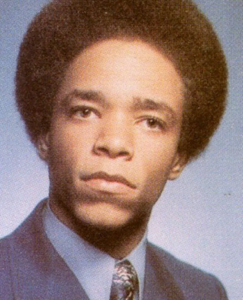
His time in the military provided structure and experience that differed greatly from his earlier environment. During his service, he was introduced to new skills and perspectives, including leadership and discipline. However, like many young soldiers adjusting to military life, he faced challenges during his service period. After completing his time in the Army, he returned to civilian life with a stronger sense of direction and ambition.
Following his military service, Ice-T became deeply interested in music, particularly DJing. He began collecting records, learning production techniques, and developing his own artistic style. This period marked the beginning of his transition into the music industry. He immersed himself in hip-hop culture, which was still in its early stages of national recognition at the time.
By the early 1980s, Ice-T had begun performing and recording music professionally. His style combined storytelling with commentary on urban life, social issues, and personal experience. This unique approach helped him stand out in the emerging West Coast rap scene. His early work eventually led to the release of his debut album Rhyme Pays in 1987, which became historically significant as one of the first rap albums to carry a parental advisory label.

As his music career grew, Ice-T became widely recognized as one of the pioneers of gangsta rap, a subgenre that focused on raw depictions of street life and systemic issues. His lyrics often reflected real-world struggles, survival, and the complexities of urban environments. Over time, he gained both critical attention and controversy for his direct storytelling style.
In addition to his music career, Ice-T expanded into acting. He began appearing in films during the 1980s, including early roles that showcased his natural screen presence. His breakthrough came with his performance in New Jack City (1991), where he played a police detective, a role that helped establish his credibility as an actor. This marked the beginning of a long and successful transition into television and film.
Throughout the 1990s, Ice-T continued to build his acting career with roles in both movies and television. He appeared in projects such as Surviving the Game and other productions that highlighted his versatility as a performer. His ability to move between music and acting made him one of the few artists to successfully establish dual careers in entertainment.

In 2000, Ice-T joined the cast of the long-running television series Law & Order: Special Victims Unit. He plays Detective Odafin “Fin” Tutuola, a role that has become one of the most recognizable characters in American television. His performance has earned him widespread recognition and longevity in the entertainment industry, making him one of the longest-serving actors in the series.
Outside of his professional career, Ice-T has maintained a long-term personal relationship with model and television personality Coco Austin. The couple married in the early 2000s and later expanded their family. Ice-T has often spoken about how fatherhood later in life gave him a renewed sense of purpose and balance. He has described this stage of his life as more stable and reflective compared to his earlier years.
Over time, Ice-T has also become known for adopting a more disciplined lifestyle, including avoiding excessive substance use and focusing on health and fitness. He has expressed interest in martial arts and combat sports, including boxing and mixed martial arts, as part of his personal interests.
Today, Ice-T is widely regarded as a cultural figure who successfully transitioned from music pioneer to established television actor. His journey reflects a broader narrative of resilience, transformation, and adaptation. From his early life experiences in Newark and Los Angeles to his success in music and television, his career demonstrates how personal history can shape artistic identity.
Tracy Lauren Marrow’s legacy continues to influence both hip-hop culture and modern television. His contributions to music and acting have made him a recognizable figure across multiple generations, and his work remains relevant in both entertainment and cultural discussions today.