Why Arizona’s Deserts and Dramatic Scenery Draw Visitors From Everywhere

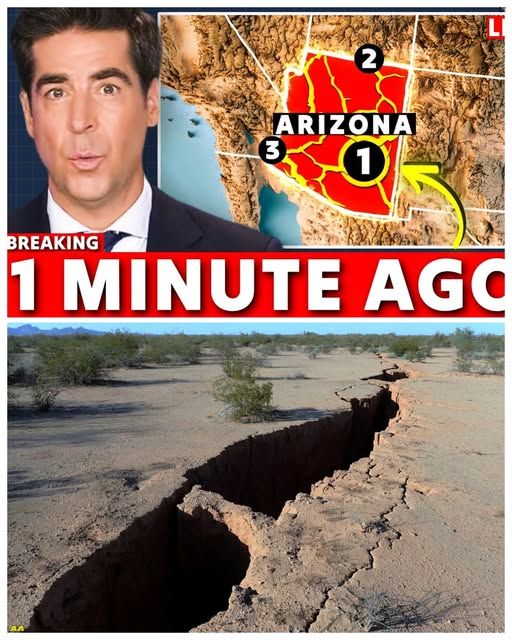
Across Arizona, the ground is quietly breaking—and it’s not earthquakes or storms causing it. Driveways split open overnight. Walls tilt. Roads fracture. Fields tear apart. Solid land suddenly feels unstable. These are earth fissures, and they’re creeping across Arizona’s fastest-growing communities.

The culprit isn’t tectonic activity—it’s water—or, more accurately, the lack of it. Decades of heavy groundwater pumping have drained ancient aquifers faster than they can refill. When underground layers compress, the surface sinks. Uneven sinking causes tension that bursts into jagged cracks: fissures that can stretch for miles, swallow tires, and ruin homes. Once they appear, they never fully heal.


For homeowners, the damage is devastating. Foundations split. Garages detach. Interior walls fracture. Repairs cost tens of thousands—sometimes more—and in many cases, the land itself can’t safely support rebuilding. Farmers see irrigation systems snap, fields become uneven, and cropland is abandoned. Roads, canals, and utilities suffer too, sending costs rippling through entire communities.

Scientists can map fissure-prone areas, track subsidence, and measure groundwater loss—but they can’t reverse it. Once an aquifer collapses, the land is permanently compromised.

The problem is growing. What was once a rural issue now creeps into suburban neighborhoods near Phoenix, Tucson, and other urban hubs. The more groundwater is pumped for homes, farms, and industry, the more unstable the land becomes. And Arizona’s patchwork of groundwater regulations hasn’t kept pace. Some regions enforce strict limits; others allow unchecked pumping. Developers can legally build in high-risk areas, leaving homeowners to shoulder the consequences.

The human toll is significant. Families live with anxiety as the ground shifts beneath them. Property values drop. Selling becomes difficult. Residents describe the shock of watching the earth open without warning. For some, fissures are not just geological—they’re financial and emotional crises.

Experts warn: this isn’t slowing down. Satellite data shows continuous land sinking. Fissures are growing longer, denser, and closer to critical infrastructure. Arizona faces hard choices: enforce no-build zones, ramp up groundwater conservation, redesign cities, or risk expanding the cracks.

The message is clear: building on a shrinking aquifer is a bet against physics. Fissures don’t negotiate or pause for development pressures—they follow the path carved by decades of extraction.

Arizona has always demanded respect for its land and water. Modern engineering lets us push limits, but the fissures remind us some boundaries remain. These cracks are not sudden disasters—they’re the long-term consequences of ignoring limits.

The state can still adapt. Smarter water management, stricter building rules, and honest risk communication can stabilize the future. But it starts with acknowledging the reality: the ground is already breaking. The only question is whether planning and policy will bridge the gap—or let it widen until repair is impossible.


Similar Posts

Leave a Reply

Your email address will not be published. Required fields are marked *