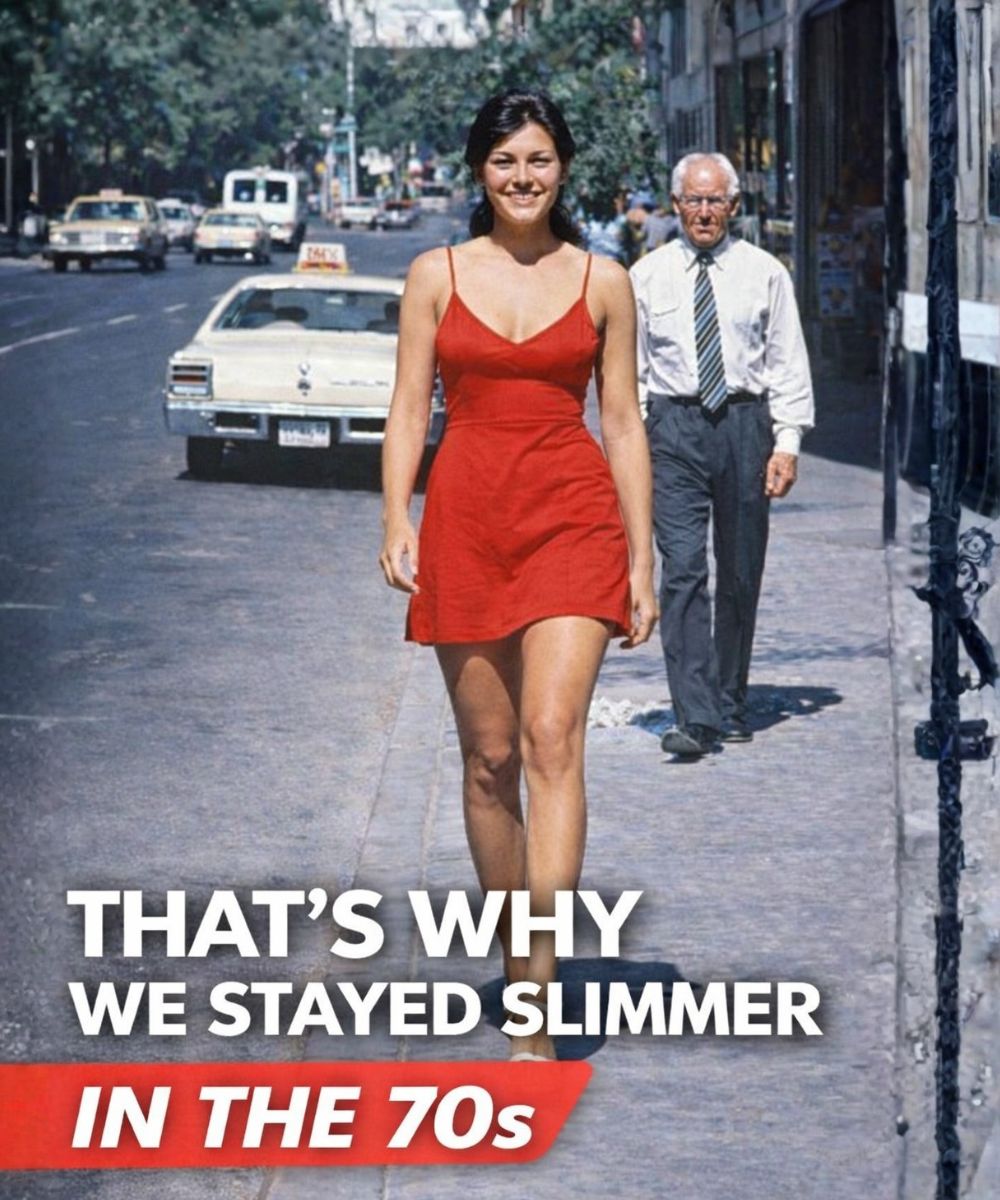
The Lifestyle Habits of the 1970s That Shaped Body Trends

There was a time when excess weight was the exception, not the norm—and a glance at photos from the 1970s makes that instantly clear. Most people looked naturally lean, not because they followed trendy diets or counted calories, but because everyday life quietly supported healthier bodies. Movement wasn’t a choice; it was built into daily routines, and simplicity shaped how people lived, ate, and rested.

Back then, physical activity was woven into ordinary life. Many households owned just one car, and some had none at all. Walking was essential. Kids walked to school, rode bikes, climbed trees, and spent entire afternoons outside. Adults moved more too—running errands, commuting, and even working jobs that required regular motion. Sitting for hours on end simply wasn’t common.


Food culture was different as well. Most meals were prepared at home using straightforward ingredients. Portions were modest, sugary drinks were rare, and snacks weren’t constant. Meals happened at set times, which helped the body recognize hunger and fullness naturally. Eating was routine, not entertainment.

Distractions were fewer, and so was chronic stress. Screens didn’t dominate attention. Television had limited hours, and smartphones didn’t exist. When boredom struck, people moved, talked, or rested instead of scrolling. Stress was managed through connection, physical activity, or simple downtime—not through constant grazing or convenience foods.

The takeaway isn’t about longing for the past—it’s about recognizing the power of environment. Health wasn’t forced; it happened naturally because daily life supported it. By walking more, cooking simple meals, cutting back on screen time, and rebuilding consistent routines, modern life can reclaim some of that balance—without extreme rules or rigid diets. Sometimes, the most effective changes are the simplest ones.

Similar Posts

Leave a Reply

Your email address will not be published. Required fields are marked *