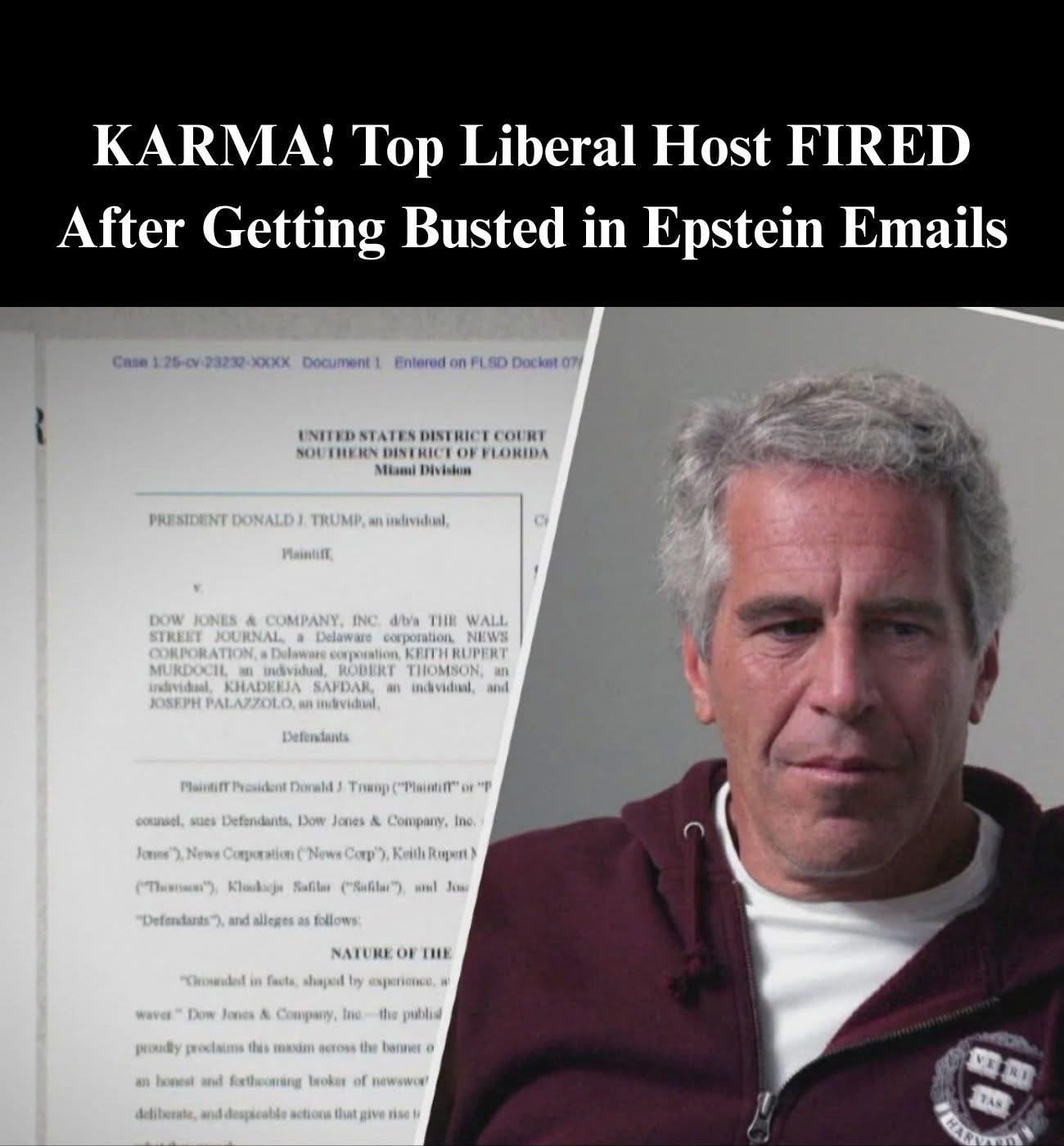
KARMA! Top Liberal Figure FIRED After Getting Busted in Epstein Emails!
The professional collapse of Peter Attia and the broader tremors felt in the wake of the latest Epstein email leaks represent a profound intersection of personal accountability and public fallout. In an era where the currency of influence is built on a foundation of perceived integrity and moral clarity, the revelation of private associations with Jeffrey Epstein has acted as a catastrophic breach of contract between public figures and their audiences. This isn’t merely a story of a business exit; it is a clinical study in the erosion of trust within the high-stakes world of elite wellness and political power.
Peter Attia’s departure from his namesake wellness brand was far from the quiet transition typical of a corporate reorganization. Instead, it unfolded as a rapid-response public reckoning. The catalyst was a series of emails that placed him within the orbit of a convicted predator, but the damage was cemented by the nature of the correspondence. Attia’s own retroactive description of his past communications as “tasteless and indefensible” served as a damning self-indictment that simplified the task for his critics. For his followers—many of whom looked to him as a paragon of logic, longevity, and ethical living—the gap between the disciplined voice of a health advocate and the private levity shared with a figure like Epstein was too wide to bridge.
The fallout illustrates a specific vulnerability inherent to modern influencers who build brands around “wellness.” Wellness is not merely a biological state; in the current market, it is marketed as a moral and philosophical pursuit. When an influencer in this space is caught in a scandal involving a character as dark as Epstein, the betrayal feels more intimate to the audience. It suggests that the meticulous attention to detail and the pursuit of “truth” touted in their podcasts and books did not extend to the company they kept or the jokes they tolerated. Investors and patients were forced to reckon with the fact that professional excellence does not always insulate a brand from the toxic reach of historical associations. Attia’s defense—that he committed no crime and that his interactions were purely a product of a different, less-informed time—was technically accurate but strategically hollow. In the court of public opinion, the “stain of association” often carries a sentence just as heavy as legal culpability.
Simultaneously, the narrative has extended beyond the world of lifestyle medicine and into the highest echelons of political power in Washington. The announcement that Bill and Hillary Clinton have agreed to testify regarding their past ties to Epstein has injected a new, more ominous energy into the discourse. This development signals to the public and the political establishment alike that the Epstein file is not a relic of the past, but an active, festering wound. The decision to bring such high-profile figures back under oath suggests that the investigation has moved into a phase of granular accountability, where “plausible deniability” is being tested against the hard evidence of travel logs and digital archives.
The convergence of these two stories—Attia’s professional exile and the Clintons’ impending testimony—paints a picture of a culture that is struggling to define the parameters of repentance. We are witnessing a societal debate over whether a person’s past choices can ever be fully decoupled from their present identity. For figures like Attia, who built a career on the premise of self-optimization and “becoming better,” the irony is particularly sharp. The wellness movement teaches that the body can be cleansed of toxins and that aging can be outrun through discipline. However, the Epstein emails serve as a reminder that some reputational toxins do not respond to “hacks” or high-performance protocols.
Accountability, in this context, demands more than a public apology or a strategic resignation. It demands a transparency that many in the elite are unwilling or unable to provide. The public is no longer satisfied with the explanation that a relationship was “just for networking” or that a joke was “misinterpreted.” There is a growing demand for a total accounting of how a figure like Epstein was able to maintain such deep roots in both the scientific and political communities for so long. The emails are not just evidence of individual bad judgment; they are a map of a systemic failure of gatekeeping.
As the legal proceedings in Washington move forward, the “karma” mentioned in the headlines takes on a more technical definition: the inevitable consequence of past actions. For those in the liberal and elite intellectual circles who positioned themselves as the moral arbiters of a better future, the Epstein ghost is a humbling reminder of a compromised past. It challenges the notion that one can move through the worlds of extreme wealth and power without getting some of the dirt under their fingernails. The struggle for these figures now is to prove that they have genuinely evolved, a task made nearly impossible when the documentation of their former selves continues to surface in the public domain.
Ultimately, the Attia scandal and the Clinton testimony reveal a landscape where the powerful are being pulled back into the gravity of their previous choices. This isn’t just about “getting busted” in an email chain; it is about the collapse of the ivory towers that once protected the elite from the consequences of their associations. Whether through the forfeiture of a business empire or the sobriety of a courtroom, the demand for a genuine reckoning is louder than ever. We are left to wonder if any amount of time, career growth, or public service can ever fully scrub the stain of a friendship with a monster. For now, the answer seems to be that the wound remains open, and the process of debridement is only just beginning.
As this investigation continues, I can provide more details on the specific legal implications of the upcoming testimonies or analyze the broader trends of “accountability culture” in the high-net-worth wellness industry.